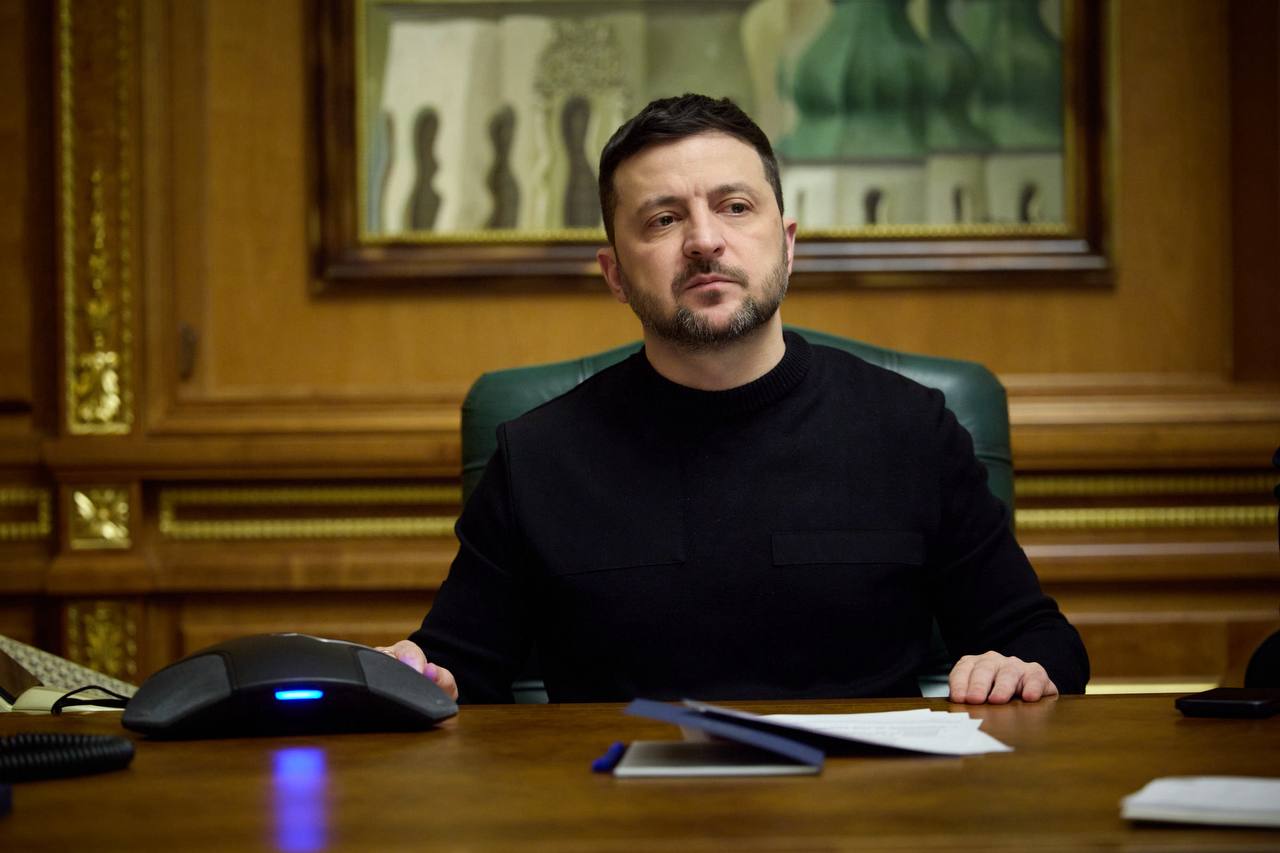
Ukraine and the US position
President Volodymyr Zelenskyy reported that Ukraine responded to a US request for assistance in protecting states in the Middle East from Iranian unmanned aerial vehicles — the so‑called "Shahed" drones. This is not just an expedition of specialists, but an element of mutual security between partners that has both operational and diplomatic significance.
"We received a request from the United States for specific support in defending against 'Shahed' drones in the Middle East region"
— Volodymyr Zelenskyy, President of Ukraine
What was requested and what is being offered
At the president's instruction Ukraine is to provide assets and specialists capable of ensuring cover against UAVs: equipment for shooting down drones, integration of air‑defense systems, as well as advisory support on tactics and logistics.
Why this matters for Ukraine
This is a mutual investment in security: partners who protect our interests receive qualified assistance; in return Ukraine strengthens its political and material capital for future deliveries and international support. Such an exchange is a practical way to turn good words into real guarantees.
"Our request is very simple. We would like, quietly, from countries that can be named and from countries that cannot be named, to get what we lack for ourselves — those missiles for the Patriot systems and to receive a corresponding number of interceptors"
— Volodymyr Zelenskyy, President of Ukraine
Context and sources
The Wall Street Journal reports that after joint US and Israeli operations Iran launched hundreds of UAV strikes on targets in the Persian Gulf, damaging infrastructure and using tactics similar to Russia's. According to the president, partners used about 800 PAC‑3 interceptors — a quantity Ukraine did not have.
Earlier Zelenskyy also proposed sending Ukraine's best specialists in shooting down Iranian drones provided that regional leaders could persuade Moscow to agree to a one‑month ceasefire. This underscores that technical assistance is accompanied by political conditions.
What could happen next
The key question is whether the political decision will turn into concrete transfers and agreements. For Ukraine this is a chance to receive technological and material inflows, but also a challenge in the form of diplomatic balancing: assistance in a distant region may affect relations with other international actors. Analysts note that the mobility of expertise and equipment is a sign of a mature foreign‑policy exchange.
The ball is now in the partners' court: whether they recognize this assistance as a mutual investment in common security — the real effect on Ukraine's defense capability depends on that.





