In high diplomacy, precise limits matter more than loud statements
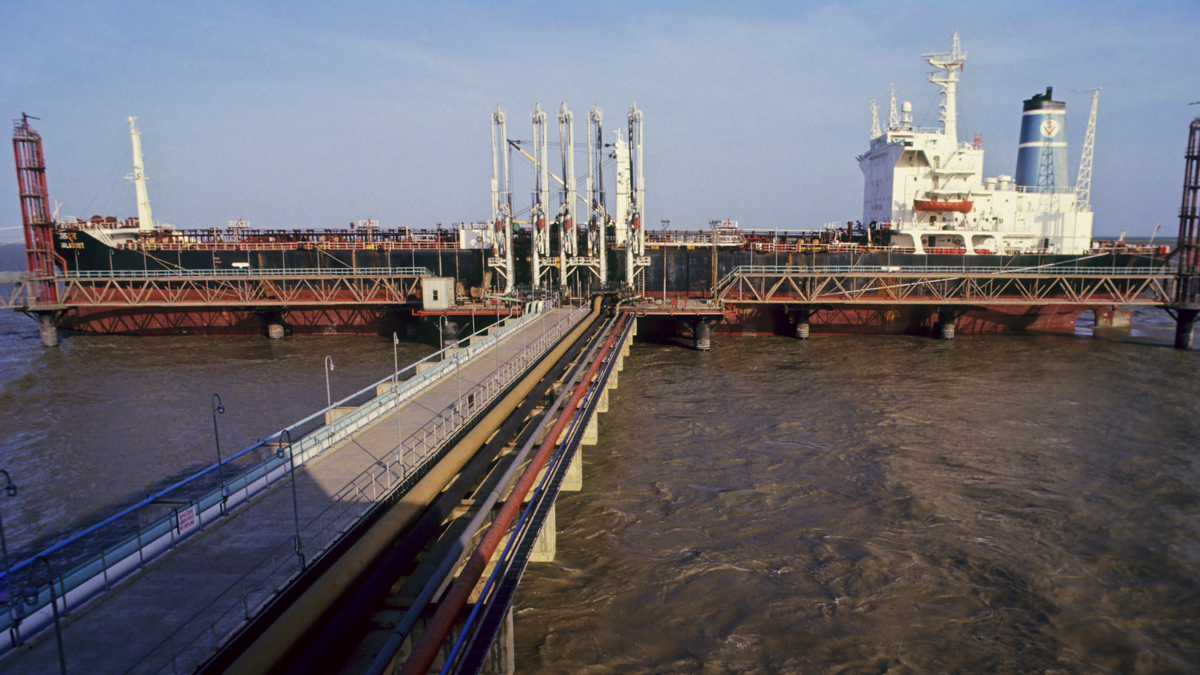
The U.S. Department of the Treasury’s Office of Foreign Assets Control (OFAC) issued a general license that temporarily allows India to accept vessels carrying Russian oil that has already been loaded onto tankers and is at sea. The decision is short-term and narrowly targeted: it is intended to mitigate the risk of a global energy crisis caused by the effective closure of the Strait of Hormuz.
What exactly the license allows
According to the text of the document (General License No. 133): the sale, delivery, or unloading of crude oil and petroleum products of Russian origin is allowed only if the oil was loaded onto a vessel before 5 March 2026. Unloading must take place exclusively in Indian ports, and the buyer must be an Indian legal entity. The license is temporary — valid until 4 April 2026.
Reuters estimates that about 9.5 million barrels of Russian crude are already on ships near Indian waters and could arrive in the coming weeks. Kpler calculates that there may be roughly 30 million barrels of Russian oil in the region overall, including volumes in floating storage.
Why the US took this step
The official rationale is to reduce pressure from an energy crisis that emerged after Iran’s actions complicated vessel movements through the Strait of Hormuz. In a brief statement, the US emphasized that this is a deliberately short-term measure that should not provide significant financial benefit to Moscow, because it applies only to oil that is already stranded at sea.
"This deliberately short-term measure will not bring substantial financial benefit to the government of Russia, as it allows transactions only with oil that is already stranded at sea"
— Scott Bessent, U.S. Department of the Treasury (post on X)
At the same time, Washington openly speaks of a diplomatic component: the US views India as an important partner and expects that long-term energy cooperation will shift toward American supplies.
Consequences for key players
Russia: short-term relief for deliveries, but no significant long-term financial effect — the license concerns only oil loaded before 5 March. The sanctions regime retains tools to pressure transactions and supplies outside that window.
India: gains the ability to shield its domestic market from sudden shortages and price spikes, but this increases its obligation to balance Western strategic interests with energy needs. The risk is political costs in relations with partners who expect a greater move away from Russian purchases.
Ukraine: there is no direct link to this license, but an important indirect dimension exists. The US is acting to prevent a global energy shock that could weaken the political and financial support of partners, including support that is critically important to Kyiv. Analysts at Reuters and Kpler agree: the aim is to avoid a chain reaction in the form of price surges and political fatigue among allies.
What’s next
This measure is an example of delicate balancing diplomacy: the US preserves the sanctions front while simultaneously reducing the risk of global energy instability. The key question is whether this formula will withstand real market pressure: whether loopholes will emerge for systematic sanctions evasion and whether India will indeed increase purchases of American oil as Washington expects.
No rhetoric: the OFAC license is a tactical step, limited in time and scope. The answer to the strategic question of how long to resort to such flexible maneuvers in sanctions policy is still ahead.







