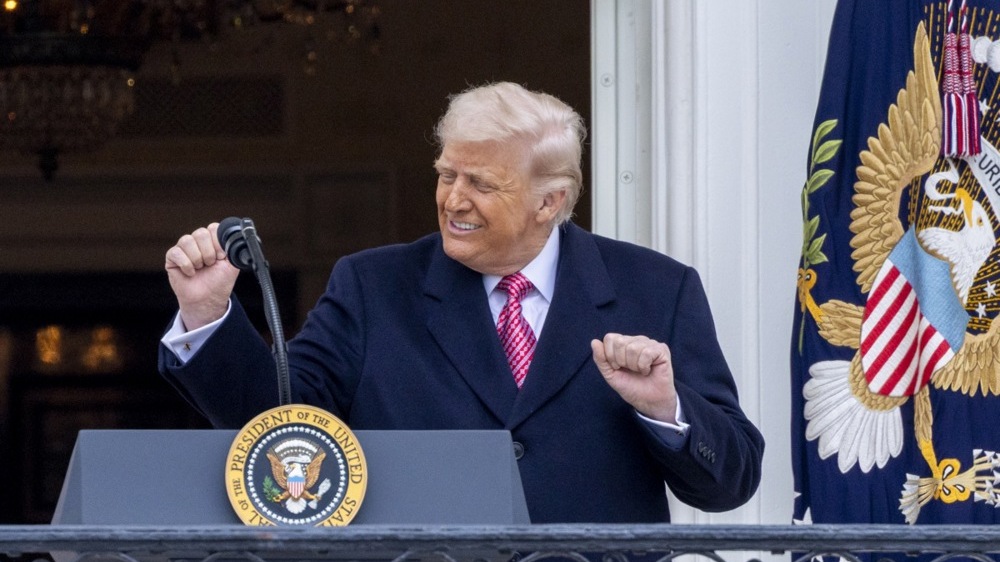
Donald Trump, in a conversation with Financial Times, called control over Iran's oil sector a "favorite idea." "To be honest, my favorite idea is to take the oil away from Iran," he said, adding that Americans who question this he considers "stupid people."
The specific target in this scheme is Kharg Island in the Persian Gulf. More than 90% of Iran's oil exports pass through it. Trump did not confirm an intention to act, but did not rule it out: "Maybe we'll seize Kharg Island, and maybe not. We have many options."
This is not the first time Trump has publicly mused about resource "appropriation" as an instrument of foreign policy — similar logic has been voiced regarding Greenland, the Panama Canal and Syria's oil. The pattern is the same: a public statement creates pressure without an official commitment.
The real conflict here is not between the US and Iran as such — it is between Trump's improvisational rhetoric and what the Pentagon and the State Department can realistically support. Holding an island in the Persian Gulf would require a prolonged military presence in a region where the interests of China, Saudi Arabia and a number of US allies are already concentrated.
At the same time, the American side is conducting indirect talks with Tehran over the nuclear program. A public statement about "taking the oil" is not the best backdrop for diplomacy, if that is indeed a priority.
If Washington is simultaneously negotiating with Iran and publicly discussing seizing its key infrastructure — which of these two lines will Tehran perceive as the true US position at the next round of talks?







