What the court decided and why it matters
The Kyiv City Prosecutor's Office reported that, through the courts, it returned to the Mykhailo Drahomanov State University a non-residential premises on the first floor of the central building at 46 Ivana Franka Street.
In May 2019 the university and Rubin-Lux LLC concluded a lease agreement for premises of 152.30 sq. m; the prosecutor's office estimates the associated rental value at nearly UAH 9 million.
Violation of the law
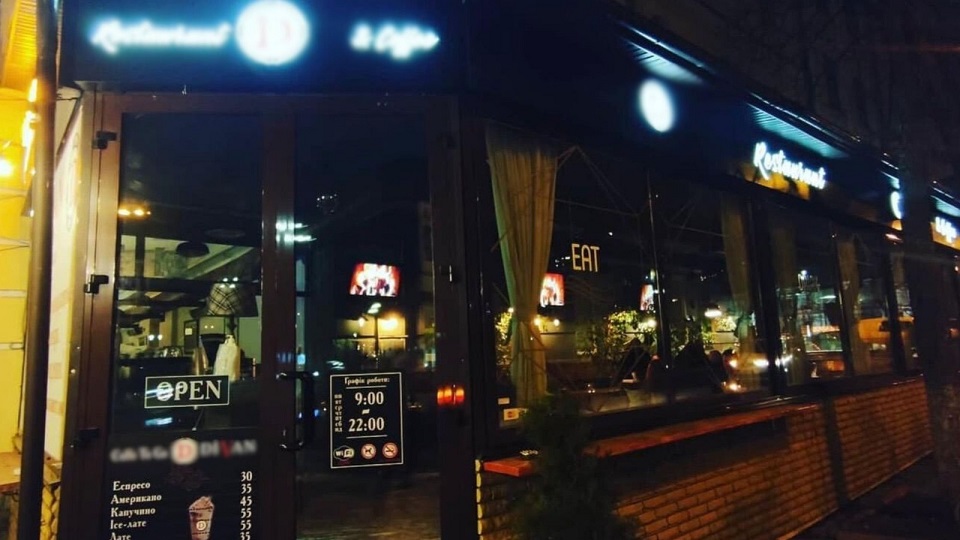
According to the prosecutor's account, under the terms of the agreement the entrepreneurs set up a restaurant, which contradicts part 4 of Article 80 of the Law of Ukraine "On Education" — an imperative prohibition on using the property of educational institutions for non-educational purposes.
"The use of property of state and communal educational institutions for purposes other than educational ones is prohibited."
— part 4 of Article 80 of the Law of Ukraine "On Education"
Kyiv's juvenile prosecutors filed a suit with the Commercial Court of Kyiv seeking to declare the lease agreement invalid; the court upheld the prosecutor's position, and the decision has been executed in full.
"The court's decision has been executed in full, the educational institution's premises have effectively been returned to the balance holder."
— Press Service of the Kyiv City Prosecutor's Office
Context and precedents
This decision fits into a number of similar cases aimed at protecting educational spaces from improper use: in July 2024 the Kyiv-Mohyla Academy had the "Trapezna" premises returned from a 20-year lease.
What’s next
Practical consequence: the university needs to define an educational purpose for the premises and quickly incorporate it into its working programs; for the city authorities this serves as an incentive to strengthen the audit of existing lease agreements.
For citizens and taxpayers the decision has symbolic significance: public property should serve public purposes, especially where education and the country's recovery are at stake.