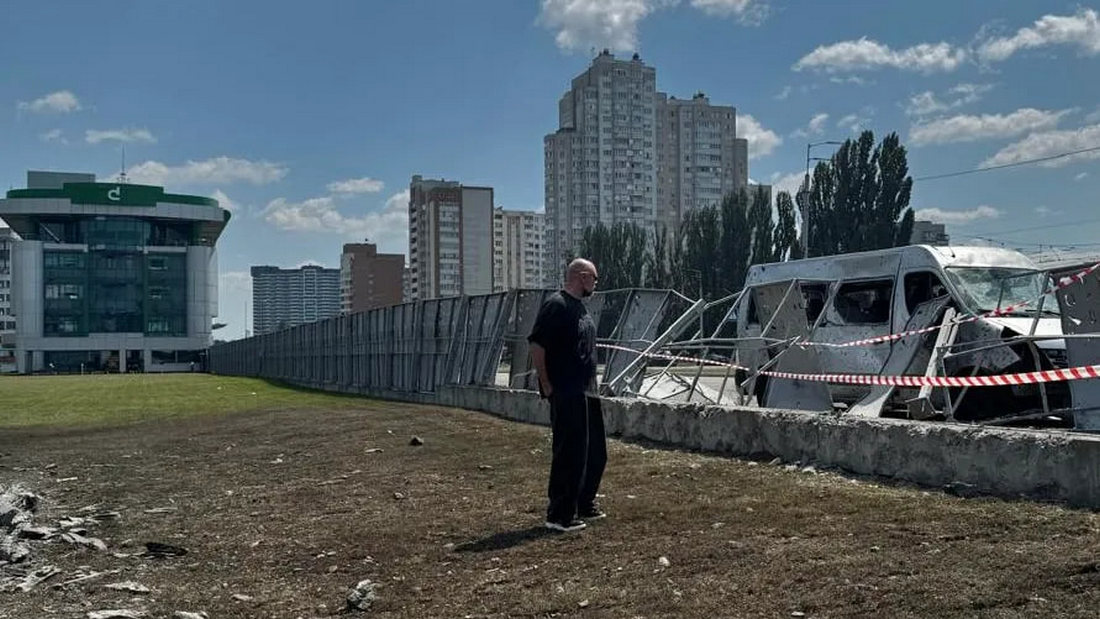
On the night of June 28, a Russian ballistic missile struck the Darnitsa pharmaceutical plant in Kyiv — an enterprise that has been producing medicines for over 90 years across 180 brands and is a leader in the domestic pharmaceutical market in natural terms. There are no deaths or injuries among the employees.
Damages — on the bill, production — not affected
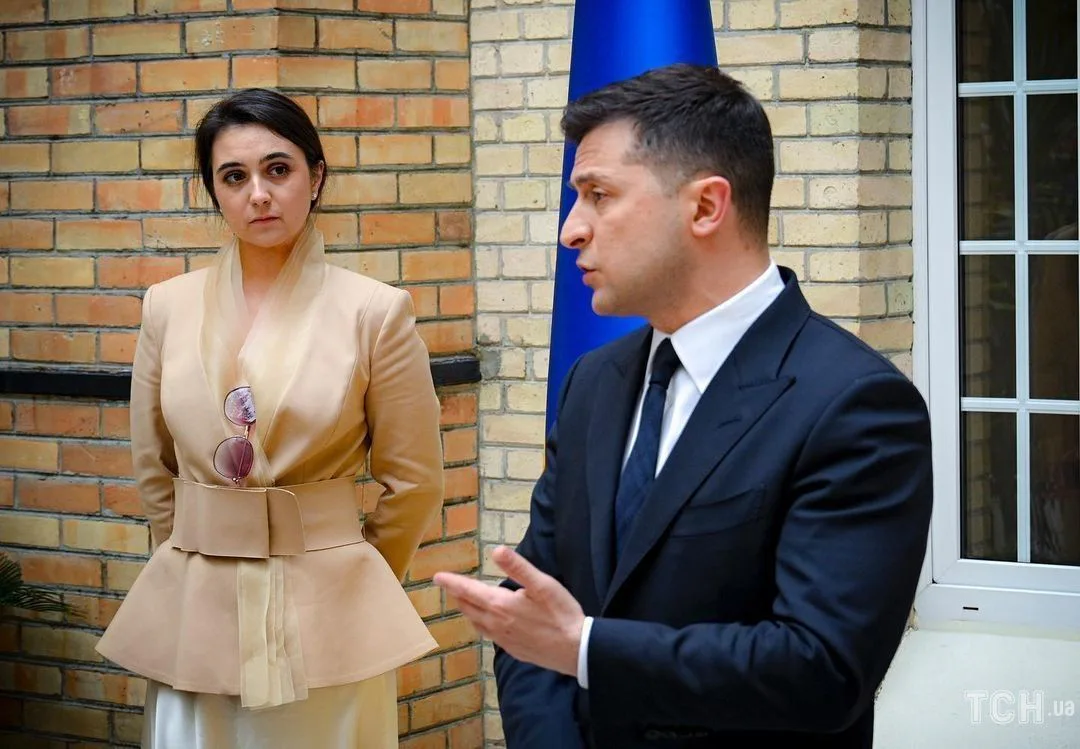
Kateryna Zahoriy, member of the Darnitsa Strategic Board, confirmed in a comment to LIGA.net that calculations are still ongoing, but an estimate is already available.
"I can already say that we are talking about tens of millions of hryvnias. But it's not just about how much glass, concrete or equipment was damaged."
— Kateryna Zahoriy, member of the Darnitsa Strategic Board
The company does not disclose the nature and extent of damage for security reasons — revealing details could provide the enemy with information about the consequences of the strike. This position is standard for critical infrastructure during active hostilities.
The strike did not affect production volumes. According to Zahoriy, production was promptly rescheduled thanks to the previously implemented SAP S/4HANA system — a platform with artificial intelligence elements for automating business processes. All planned production volumes will be released in full.
Not the first stress this year
The attack occurred against the backdrop of an already existing sales crisis. In spring 2025, Darnitsa publicly accused five of the largest pharmacy chains of artificially inflating prices. After government intervention — limiting markups and banning marketing payments to pharmacies — the chains reduced purchases of the plant's products. In June 2025, sales fell by 30% compared to the same period in 2024, and in subsequent months — by 50%. The plant twice stopped production due to overflowing warehouses and reduced staff.
So by the time of the strike, the enterprise was already operating under stress — not military, but market stress.
Response — from business, questions — to the state
Zahoriy described partners' reaction to the attack as unexpectedly powerful: the phone was overwhelmed with calls, offers of support came from the business community, hospitals and pharmacies. She did not reveal details about specific agreements.
What will change in the plant's protection system — Zahoriy also did not specify, only noting that changes will be made.
The company does not forecast a shortage of medicines in pharmacies. Darnitsa's external communications manager Alla Kuprunets confirmed that supplies to pharmacy chains are continuing normally, and there is no reason to stockpile medicines.
What this means
Darnitsa is not just a private enterprise: it is the only major domestic manufacturer of a wide range of generic medicines, from painkillers to antibiotics. A strike on such a facility is a blow to the country's pharmaceutical independence during a war when import chains are already unstable.
The plant's resilience this time is explained by a specific decision — digitalization of planning, adopted before the war. But this is a one-time cushion, not systemic protection.
If Russia strikes the same infrastructure again — will planning flexibility be sufficient a second time, or will the state provide physical protection of the facility by then?