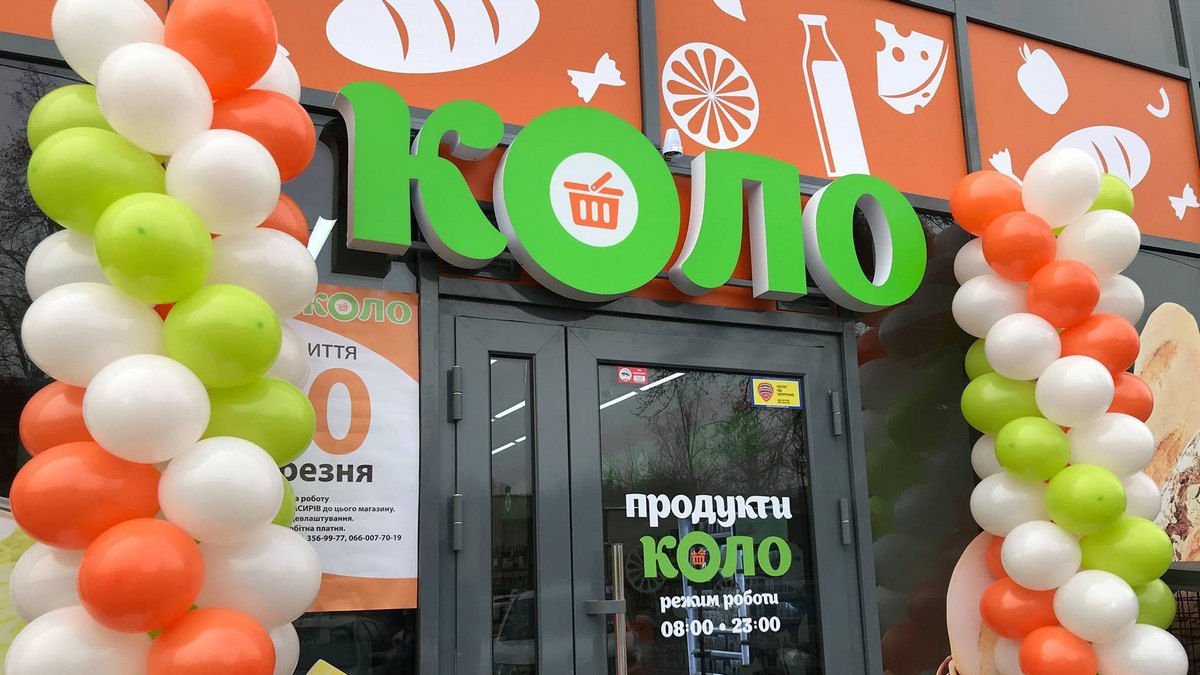
Konstantin Shostak, General Director of Varus, called the deal to acquire the "Kolo" network a strategic move. According to him, this is not a simple expansion, but a purposeful entry into the Kyiv market with ready-made infrastructure — retail outlets, personnel, and a loyal audience.
Varus is one of Ukraine's largest grocery chains, based in Dnipro. "Kolo" is a Kyiv network of district supermarkets focused on daily demand. Their merger means that the Dnipro player gains a capital presence without the lengthy and expensive process of opening stores from scratch.
Why Now
The food retail market in Ukraine is experiencing accelerated consolidation during the war. Small and medium-sized networks that have lost some outlets due to combat or have seen sales decline due to changing consumer flows are becoming more accessible for acquisition. "Kolo" is no exception.
For Varus, the deal solves a specific problem: a presence in Kyiv provides access to the country's largest consumer market without the risks of greenfield development. Ready-made locations mean months of saved time and predictable traffic from day one.
What the Buyer Gets
The "Kolo" network has outlets mainly in residential areas of Kyiv — places where demand is stable and competition from large hypermarkets is minimal. This format — a neighborhood supermarket within walking distance — has proven resilient during wartime: people travel to large shopping centers less frequently and prefer to shop near home.
Varus acquires not just square footage, but positioning: the "Kolo" brand is associated by some Kyivans with locality and price accessibility. The question is whether they will preserve it or rebrand it under the parent brand.
The Risk No One Talks About
Market consolidation is always a compromise between business efficiency and consumer choice. When several major players absorb smaller ones, assortment and price competition weakens. In Ukrainian realities, this is particularly noticeable: a significant portion of buyers focus on the minimum bill.
Ukraine's Antimonopoly Committee must review the deal — at least formally. However, practice shows that food retail deals pass regulatory review without significant conditions.
If Varus maintains "Kolo's" pricing policy and does not reduce staff — the deal is truly strategic. If not — it is strategic only for shareholders.







