What happened
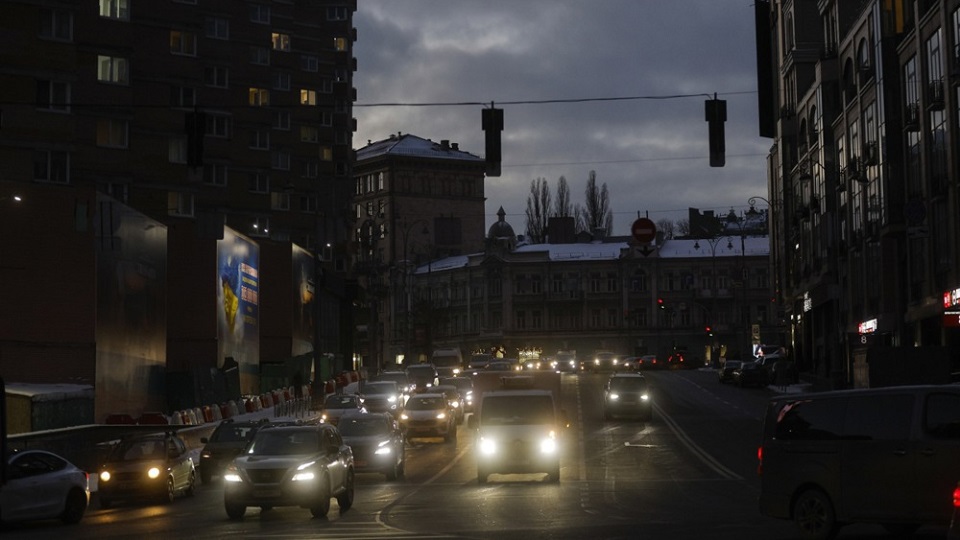
The police record a rise in accidents during widespread power outages, and this is hitting pedestrian safety noticeably. From October 15 to the end of 2025, 2,168 road accidents involving injured or killed pedestrians were registered — 6.5% more than in the same period last year. The number of people injured in these accidents increased by 7.5%, while total accidents with casualties rose by 3–3.5%.
"Power outages directly affect pedestrian safety and the operation of traffic lights: in the dark visibility falls critically and the risk of mistakes by both drivers and pedestrians increases."
— Oleksii Biloshytskyi, First Deputy Head of the Patrol Police Department
Who is at greatest risk
The most vulnerable are pedestrians at intersections and in areas with insufficient street lighting. Drivers also make mistakes: the lack of signalling forces decisions to be made with limited information, which increases the likelihood of pedestrian strikes and collisions.
How police and local authorities are responding
The National Police identified more than 550 critical intersections where traffic is being regulated manually by specially trained traffic controllers. In addition, several cities have tested traffic lights operating in autonomous mode, and some cities, such as Lviv, promptly switched trams to buses to reduce risks during blackouts.
Why this matters now
Emergency outages resumed after massive strikes on energy infrastructure in the second ten-day period of October 2025 and affected even western regions. This means the problem is systemic: road safety now depends not only on rules and infrastructure but also on the resilience of the power system.
Briefly on what to expect
The expert community warns that without investment in backup power sources for key intersections, lighting for pedestrian zones, and strengthened traffic management, the risks will persist. Until then, manual control and adapting transport routes are practical tools for reducing danger.
Conclusion
Power outages have already increased risks on the roads. The question for communities and the state is whether backup power sources and modernization of traffic light networks will become priorities in budgetary and strategic decisions. This is a safety issue that affects the daily routes of every Ukrainian.







