Briefly: what was adopted
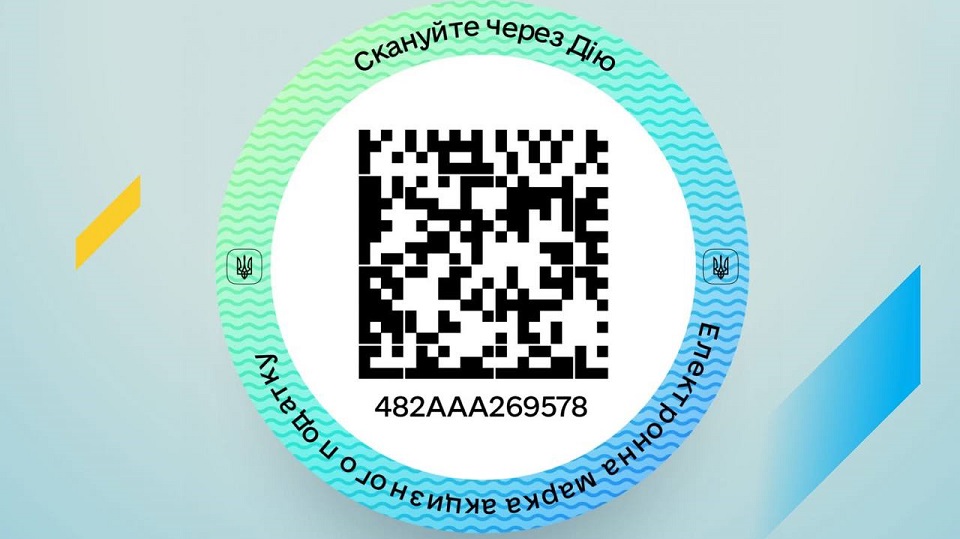
The Cabinet of Ministers on 26 December officially postponed the mandatory introduction of the electronic system for the circulation of alcoholic beverages, tobacco products and e‑liquids for electronic cigarettes from 1 January 2026 to 1 November 2026. The software testing period has been extended until 11 October 2026, and the transition period allows businesses to continue using paper excise stamps until the system is fully launched.
"This decision provides businesses and the state with additional time for a smooth transition to new digital administration tools"
— Ministry of Finance
Why it matters
The decision combines two priorities: on the one hand — the state's need to preserve steady excise revenues, and on the other — to avoid operational risks for legitimate businesses that could arise from a rushed launch of the new platform. In September 2025 the European Business Association asked to postpone the launch so that companies would have time to test processes and equipment.
What changes for businesses
In practical terms this means several things for manufacturers, importers and retailers:
- from 1 January 2026 until the full launch businesses may continue to order and use paper excise stamps;
- the deadline for returning paper stamps to the seller has been moved to 1 May 2027 — this provides a time buffer for inventory and logistical procedures;
- the testing period until 11 October 2026 — a chance to fix technical errors before mass implementation.
Technical detail worth knowing
The updated resolution relaxes requirements for the graphic marking element: the DataMatrix code may now meet grade B under the ISO/IEC 29158 standard instead of the previous requirement of grade 2 under ISO/IEC 15415. This expands printing options and reduces the risk of equipment failures and compatibility issues, which is especially important for Ukrainian printers and packaging manufacturers.
Risks and benefits for the state budget
The postponement partly delays the full control over the circulation of excisable goods that the electronic system would provide, but at the same time reduces the likelihood of supply chain disruptions and drops in legal revenues. The Ministry of Finance asserts that the changes will allow final technical adjustments to be completed without creating operational risks for legitimate businesses.
What comes next — a short forecast
This step provides time for technical completion and market adaptation. At the same time the timeframes are clear: testing until 11 October 2026, start on 1 November 2026, and the return of paper stamps — until May 2027. Whether further postponements will be avoided will depend on how testing goes and how transparently interaction with businesses is conducted.
Questions for oversight: whether the Ministry of Finance will publish the testing results and a communication plan for taxpayers; whether there will be support for small producers in adapting equipment — the market is waiting for answers to these questions.
Context: the law on the complete transition away from paper stamps was adopted in 2023 — the postponement shows an effort to combine digitalization with guarantees of stable revenues and functioning infrastructure.







