What happened
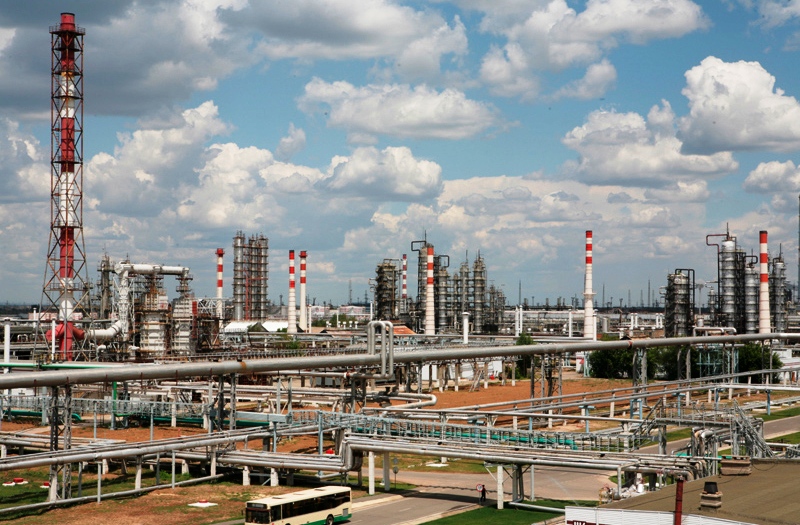
According to Reuters, Lukoil’s Volgograd oil refinery suspended operations on 11 February after a strike that damaged the primary unit AVT‑1. Sources in Russia’s refining sector estimate its capacity at 18,600 t/day — roughly 40% of the plant’s total throughput.
"The strike damaged the primary unit AVT‑1, where crude oil is separated into the main fractions…"
— Reuters, citing two sources in Russia's refining sector
Why it matters
In 2024 the Volgograd refinery processed 13.5 million tonnes of crude (about 5% of Russia’s total refining) and produced large volumes of diesel (6 million t) and gasoline (1.9 million t). Damage to a unit that supplies a substantial share of the plant’s output could complicate fuel supplies inside the country and for forces involved in combat. The final effect, however, will depend on available stocks, the ability to redeploy production capacity, and logistical reserves.
Lukoil has not commented on the situation so far. The plant has previously been hit (14 August, 19 August and 6 November 2023), indicating a systematic effort against the enemy’s rear infrastructure.
Context and consequences
Separately, on 12 February drones struck a refinery in Ukhta — about 1,750 km from the Ukrainian border — underscoring the ability to strike deep into the rear. Energy market analysts note that infrastructure strikes have not only tactical effects but also create additional costs for repairs and logistical reconfiguration, intensifying economic pressure on Russia.
The key question for the coming weeks is how quickly Russian companies can redirect supplies or restore refining. If disruptions persist, this could affect diesel availability and domestic prices, as well as the ability to meet frontline needs.
What’s next
We will monitor official statements from Lukoil and independent confirmations. It is important to keep a cool head: systematic strikes on rear infrastructure can gradually degrade the opponent’s capabilities, but the scale and timeline of this process depend on technical and logistical reserves as well as regional responses to the damage.







