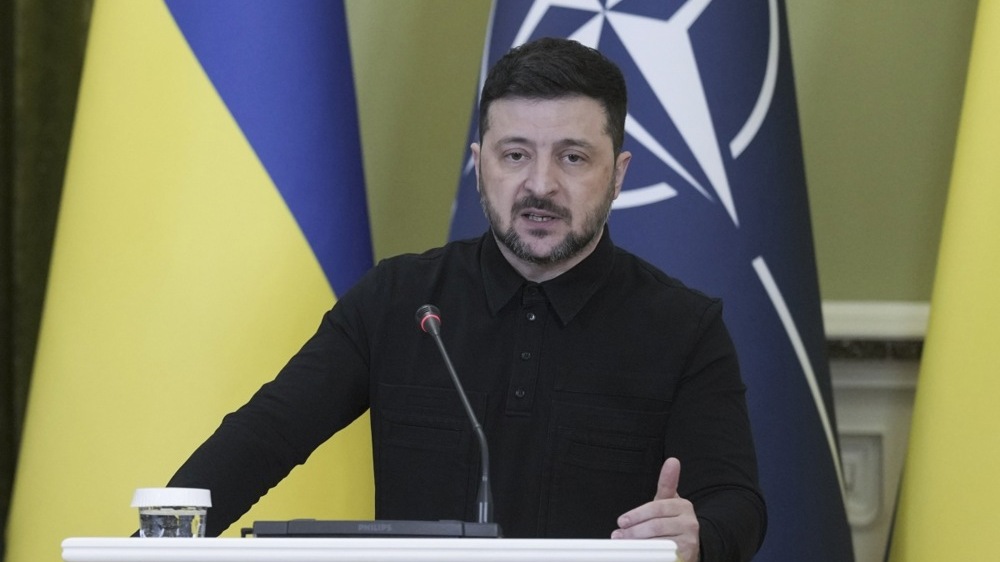
In short — what’s happening
President Volodymyr Zelenskyy said that Russia is preparing a new wave of strikes, including against water supply facilities. This is not just military rhetoric: strikes on critical infrastructure aim to create humanitarian pressure and undermine the resilience of communities.
"Russia is preparing a new wave; it will hit infrastructure, logistics and water, water supply. They want us to have problems specifically with water"
— Volodymyr Zelenskyy, president of Ukraine
Why this matters
Water is a basic element of civilian resilience. Damage to water mains and pumping stations will complicate treatment of the sick, the operation of businesses, hygiene in places of dense habitation and evacuation. Experience from past seasons has shown that strikes on infrastructure cause cascading consequences: in the autumn of 2025, after massive strikes on the energy sector, power outages resumed; from January 14 an emergency situation was in effect in the energy sector — this increases risks to water supply, which often depends on electricity.
Analysts, including international centers and Ukrainian critical-infrastructure specialists, note: targeted strikes on water are an element of a strategy to coerce the civilian population, complementing strikes on energy and logistics.
What the state and communities must do
First — prioritize air-defense for critical infrastructure. The president directly calls to increase air-defense capabilities where water nodes and pumping stations are concentrated.
Second — raise local readiness: mobile reserves of drinking water, autonomous power sources for key pumping stations, operational plans for repair and logistics to restore supply.
Third — international coordination and financing: privatization or modernization of water supply systems now is not only a technical issue, but a marker of trust and of partners willing to invest in rebuilding and protecting critical infrastructure.
What’s next
The president’s statement poses a simple question: will the warnings turn into concrete actions? What’s needed are not only declarations about supplying air-defense systems, but clear plans for projects to protect water infrastructure, reserves and rapid recovery. This is a security issue for every settlement — and a test of partners’ readiness.
Now the ball is in the court of those who can provide systemic solutions: will air-defense deliveries be strengthened, will investments appear in decentralized water sources and infrastructure repairs that make communities less vulnerable to systemic attacks?







