In May 2026, German police detained 39-year-old Nikita S. near the Radisson Blu hotel in Lübeck — after four years of surveillance. According to materials from a joint investigation by Politico and Bild, who gained access to secret documents from Germany's Attorney General and Federal Intelligence Service (BND), the man transformed a mid-sized trading company Global Trade into a disguised procurement division of Russia's defense-industrial complex in the heart of the EU.
How It Worked
Before the full-scale invasion, Global Trade openly supplied goods to Russia. After 2022 and the intensification of sanctions, the scheme became more complex: direct deliveries were replaced by a multi-level structure to conceal end buyers.
Leading this structure was the Russian company Kolovrat — also known as Siderius, which is already under US sanctions for its activities in the Russian manufacturing sector. According to the investigation, its employees had direct access to Global Trade's corporate email and, on behalf of "German managers," ordered goods throughout Europe using fictitious names.
Finished shipments transited — most often through Turkey. Only a few days passed between dispatch from the EU and crossing into Russian territory.
"Don't mention Russia" — such a message appears in the correspondence attached to the case materials. In another — a request to remove documents from boxes before shipment.
Investigation materials, cited by Politico
What and Where Was Supplied
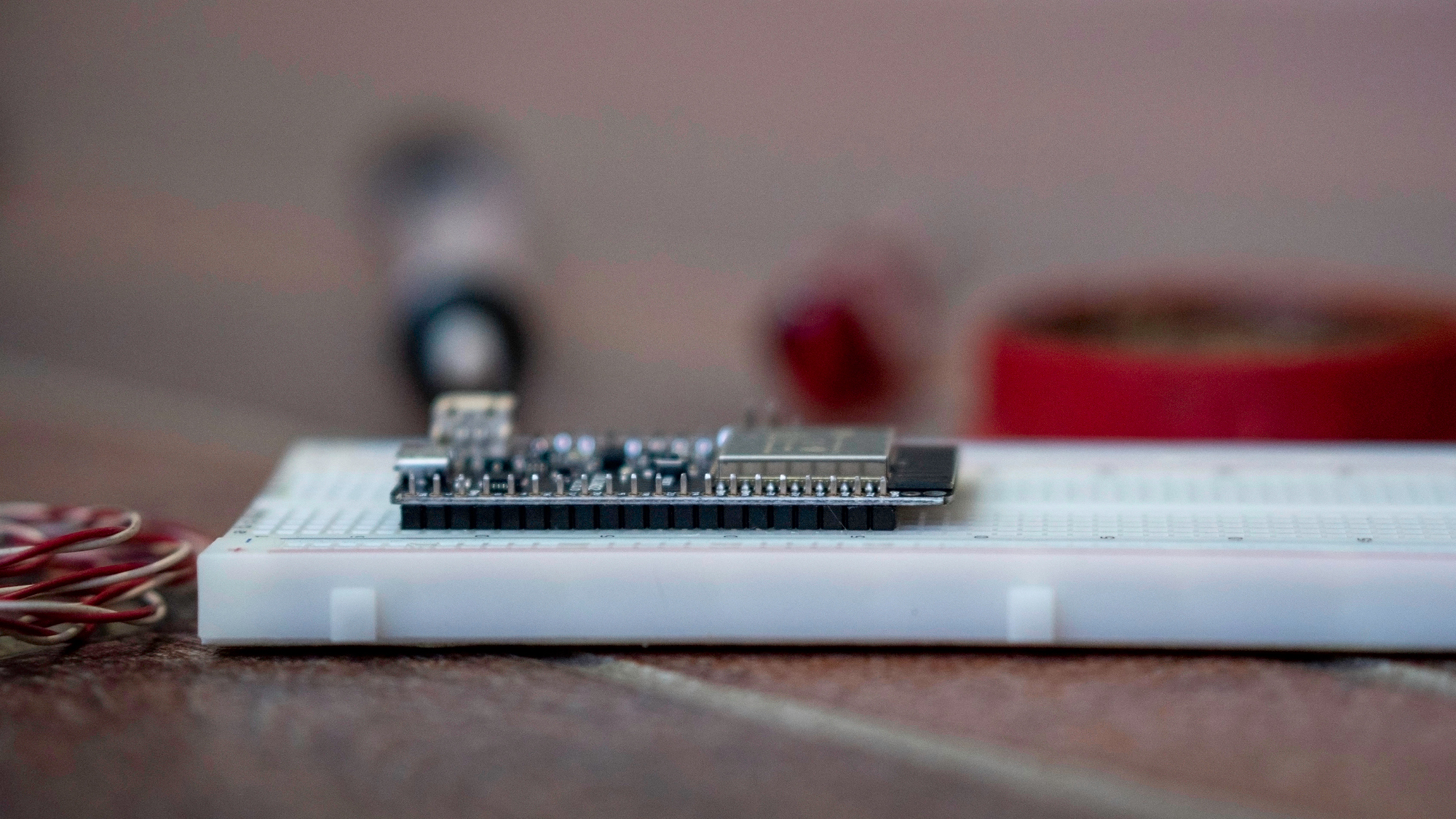
According to customs records and intelligence reports in the case, the network handled microcontrollers, electronic components, sensors, converters, ball bearings, oscilloscopes and measuring equipment — goods that each individually might appear civilian but together constitute a dual-use nomenclature.
Among documented recipients is the All-Russian Scientific Research Institute of Automatics, linked to a nuclear weapons development program. In a separate episode, according to BND data, the company Rokem Services attempted through the same network — Global Trade, Turkish intermediaries, and Kolovrat — to obtain equipment for seawater desalination plants.
"It is believed that this equipment comprises components for desalination plants, which may also be used for military purposes, particularly on nuclear submarines."
BND investigator, cited in the case materials
How It Was Exposed
The BND managed to penetrate Kolovrat's infrastructure and track operations from inside. Intelligence data was passed to prosecutors and customs officials, who traced payments, the role of each structure, and Nikita's movements between Moscow and Lübeck. The detention occurred following one such trip.
Several people are in custody — among them Yevgeny R. and Daniel A. Olga S., the main suspect's partner, was also briefly detained. Under German law, the suspects face up to 10 years in prison.
Scale and Systemic Vulnerability
According to investigation materials, approximately 16,000 shipments worth over 30 million euros passed through the network. Investigators directly state: the exposed scheme is likely only part of a significantly broader supply system.
- Goods were purchased from legitimate European suppliers without any suspicion
- Transit through Turkey allowed for a "sanctions trail" reset
- Access to corporate email enabled posing as a legitimate business from Germany
- Only days passed between dispatch from the EU and delivery to Russia
German customs acknowledged: after 2022, combating sanctions evasion through third countries became one of the agency's main priorities. Yet the Global Trade case demonstrates that this work proceeded for years in parallel with the scheme operating at full capacity.
The question now facing investigators: if the BND monitored Kolovrat long enough to document thousands of shipments — and only now has the case reached arrests — how many similar networks are currently active but not yet referred to prosecutors?







