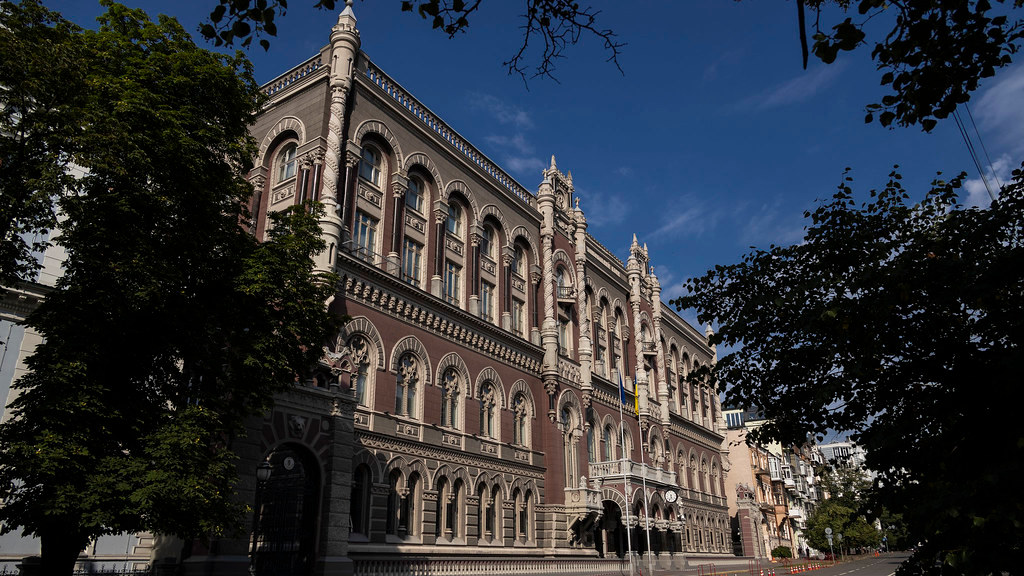
The International Investment Bank (MIB), which is associated with Petro Poroshenko, has filed a lawsuit against the National Bank of Ukraine. The subject of the dispute is a fine of 13.52 million hryvnia that the regulator imposed on the financial institution. The NBU confirmed its intention to defend its position in court.
The fine amount is not critical for the banking sector. But the fact of legal challenge is a different matter. MIB is essentially questioning the legitimacy of the regulator's decision, and now the court must determine whether the NBU acted within its authority.
What is known about the fine
The NBU has not publicly disclosed details of the violation that prompted the sanction. The regulator merely confirmed the fact of the fine and its intention to defend its legality in court. MIB has also not detailed its position publicly.
The absence of public argumentation from both sides is a separate problem. The public, which is de facto a stakeholder in banking system supervision issues, remains outside the context.
Why this is more than a corporate dispute
MIB is not an ordinary bank. Its association with Poroshenko means that any decision in this case will acquire a political dimension regardless of who wins. If the NBU loses, the question will arise whether the grounds for the fine were sufficient. If MIB loses, the bank and its owners will receive an additional reputational blow.
At the same time, the precedent is important systemically: can a private bank effectively challenge a regulator's decision in Ukrainian courts—and can this system withstand pressure when an influential politician is behind one of the parties.
Regulator in the role of defendant
The NBU has significantly strengthened its oversight of the financial sector in recent years. But legal challenges to fines are not uncommon, and not all of them have ended in the regulator's favor. Each loss in court effectively undermines the disciplinary effect of sanctions.
If the court cancels MIB's fine—will this have consequences for the willingness of other banks to comply with NBU requirements without court appeals?