What happened
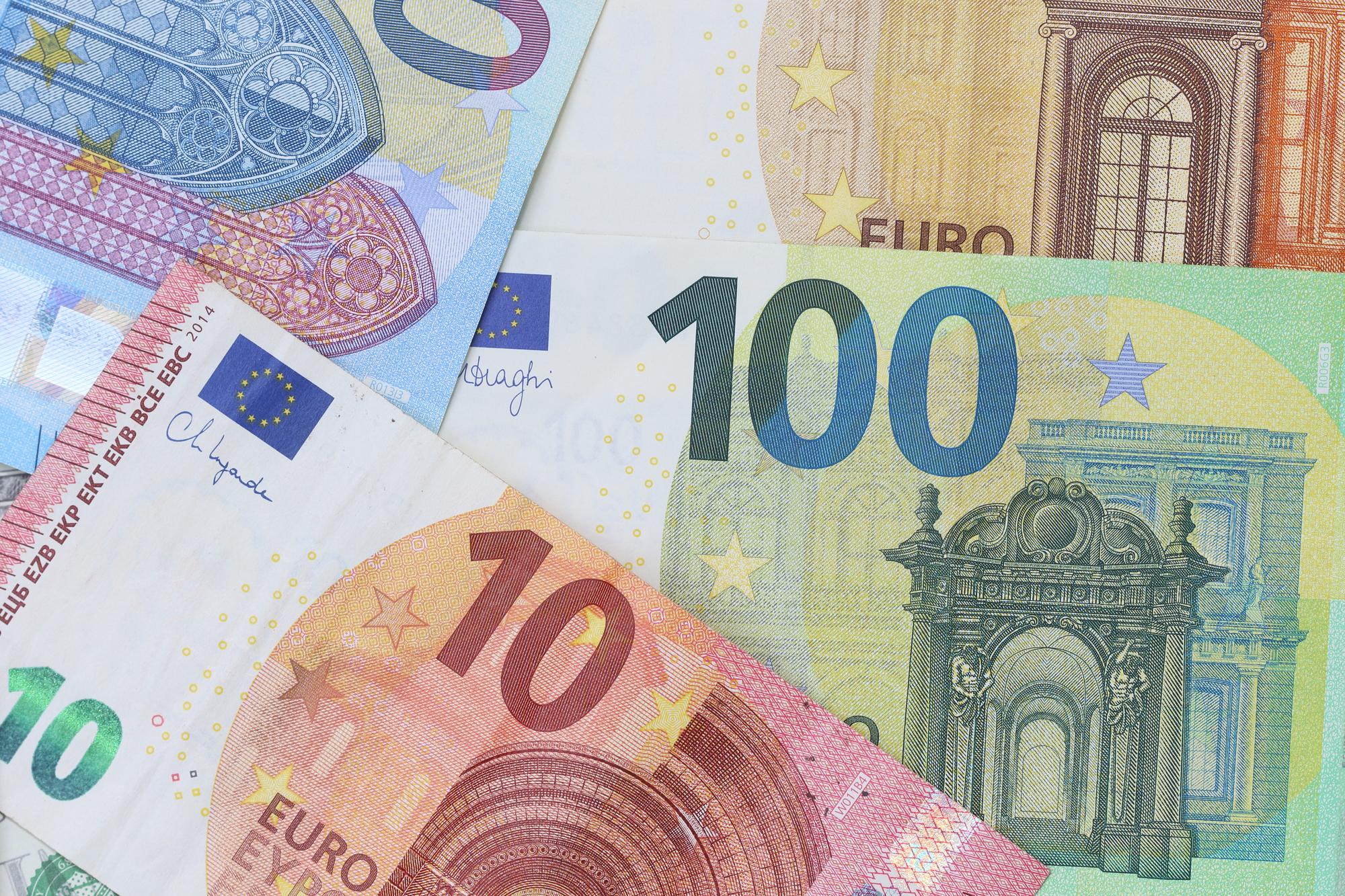
On January 21 the National Bank of Ukraine officially set the exchange rate at 50.7219 UAH/€ — a new historical high. The previous record was on January 13 (50.5264 UAH/€). The dollar rate on the same date was recorded at 43.2522 UAH/$, slightly below the peak on January 19 (43.4130 UAH/$).
Due to significant seasonal demand in December we had to increase net currency sales by 1.7 times — this is connected with an uptick in budget expenditures and business operations at the end of the year.
— National Bank of Ukraine
Why this matters
The numbers themselves are not a verdict. The record euro rate is linked to two key factors: first, seasonal demand for currency (higher budget payouts and business operations at year‑end), and second — the presence of a safety buffer: as of January 1 Ukraine’s international reserves exceeded $57 billion, the highest level in the country’s history.
Economists note that the slow rise in the euro rate does not necessarily signal a fundamental currency crisis: it is partly the result of temporary cash flows. At the same time, a higher rate affects import prices, energy costs and business settlements — in other words, every Ukrainian’s wallet.
The euro record more likely reflects seasonal dynamics than a long‑term weakening of the hryvnia; reserves give the regulator the ability to smooth out fluctuations.
— Ukrainian economists and analysts
Consequences and scenarios
In practical terms: first, with a reserve buffer the NBU can intervene to curb sharp exchange‑rate jumps. Second, businesses and importers should expect increased volatility during fiscal payouts. Third, for consumers this means greater pressure on prices of imported goods, but not an automatic and uncontrolled collapse of the hryvnia.
Bottom line: the record is a warning sign, not a verdict. Economic resilience today is measured not only by the exchange rate at a point in time, but also by how well reserves and regulator policy can cushion shocks.
What to watch next
Watch three markers: the size and direction of budget payouts, the volume of NBU interventions, and news on international financial support. These will determine whether this record proves temporary or the start of a new trend.
Questions to ponder: will the regulator use its room for maneuver to the full extent — and how will the market react to further budget flows? The answers will affect both the exchange rate and Ukrainians’ purchasing power.