What happened
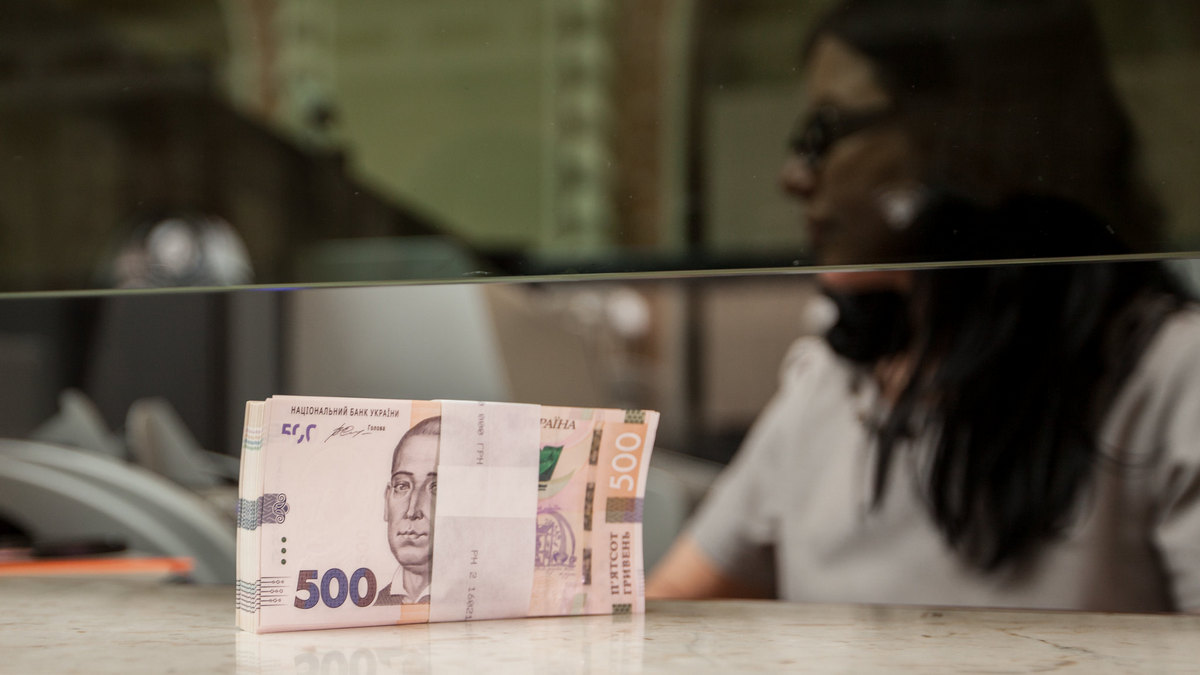
The National Bank recorded a sharp increase in cash in circulation in 2025 — by 12.6% (or UAH 103.9 billion) to UAH 926.3 billion. For comparison: in 2024 growth was 7.6% (UAH 58 billion). These figures mean Ukrainians are holding more physical money — practically on the threshold of the one-trillion-hryvnia mark.
Why this happened — two key factors
Recovery of economic activity. Rising wages, social payments and consumer demand increase the need for cash for daily transactions, especially in regions with limited access to cashless services.
Security and contingency. The increased intensity of attacks on energy and other critical infrastructure is forcing households to hold cash reserves for unforeseen situations — from paying for services during outages to quickly purchasing essential goods.
“The increase in cash in 2025 is driven by the recovery of economic activity and the risks associated with increased attacks on infrastructure.”
— National Bank of Ukraine
What else is important to know
As of January 1, 2026 there are 2.6 billion banknotes in circulation totaling UAH 916.9 billion and 15.2 billion coins (excluding commemorative and investment coins) totaling UAH 9.3 billion. By denomination the 500-hryvnia note leads in number, although by value the 1000-hryvnia note already occupies first place; among coins the most numerous are 10-kopek pieces, which are being gradually withdrawn from circulation.
Implications for the state and citizens
The increase in cash has a double effect. On one hand, it is a signal of resilience — people are willing to spend and circulate money, which supports the economy. On the other hand, it is a policy challenge: greater needs for cash collection and printing, risks of the shadow economy, and more complicated control of the money supply.
Experts emphasize that the response must be comprehensive: a flexible cash policy of the NBU, investments in secure cash collection and the promotion of accessible cashless solutions where it is convenient and reliable.
Context from Europe
At the end of 2025 the EU Council supported the launch of a digital euro with a guarantee of the “right to cash.” It is also proposed to strengthen the status of cash — to prohibit retailers from refusing cash payments (exceptions for online sales and automated service points). This confirms that in Europe cash remains an important element of financial security, even amid digitalization.
Conclusion
The increase in cash volume in Ukraine is a manifestation of both the recovery of the economy and citizens’ preparedness for wartime risks. The next task for the state is to turn this reality into effective policy: ensure access to cash, minimize logistical and security costs, and simultaneously develop a reliable cashless infrastructure. This is not only a matter of money — it is a matter of everyday security and mobility for millions of Ukrainians.