Brief and to the point
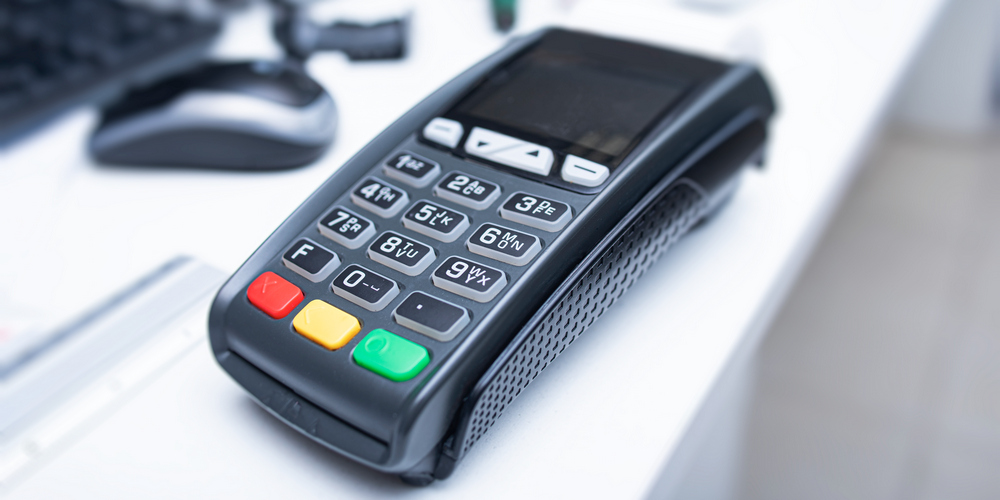
On 29 December the Cabinet of Ministers adopted a resolution that postpones the mandatory use of payment terminals for FOPs in the first group — until the end of martial law and for an additional three months after its cancellation. The decision is justified by appeals from small businesses and the current risks to their operations: financial pressure, power outages and logistics challenges.
Why this matters
This is not a matter of convenience — it is a matter of survival for micro-enterprises that provide family incomes and support local economies. For many FOPs, the costs of servicing POS terminals, expanding payment acceptance channels and ensuring uninterrupted power supply are a real additional burden during wartime.
Official explanations
"This will allow the smallest entrepreneurs to operate and preserve income under conditions of war, power outages and logistical restrictions."
— Yuliia Svyrydenko, Prime Minister of Ukraine
"The postponement gives first-group FOPs time to prepare for cashless payments and to accept payment for goods or services across all sales platforms."
— Oleksandr Tsybort, Deputy Minister for Digital Development
Context: from previous rules to today
Cabinet Resolution No. 894 of 29 July 2022 stipulated that from 1 January 2026 the use of RRO/PRRO (cash registers / software cash registers) would be mandatory for a number of categories, including FOPs in the 1st group. The new postponement defers that obligation until the end of martial law plus three months.
Positions and risks
Representatives of small businesses and some analysts welcome the decision as pragmatic — it temporarily reduces the burden on the most vulnerable businesses. At the same time, some experts and politicians (in December the chair of the relevant parliamentary committee, Danylo Hetmantsev, expressed a different view) stressed the need for a planned transition to cashless payments to increase transparency and the digitalization of the economy.
What it means for FOPs and the state
Practically: FOPs in the 1st group get time to prepare — choosing between POS terminals, mobile apps or QR codes. Politically and administratively: the government’s task now is not only to postpone the rule but also to simplify the transition: subsidies for equipment, simplified technical support, and guaranteed power supply for points of sale in critical regions.
Summary — outlook
The postponement is a compromise between economic necessity and the realities of war. It gives FOPs a cushion, but it does not solve the systemic tasks of trade digitalization. The next step is whether government statements will be turned into concrete support programs that will allow entrepreneurs to switch painlessly to cashless payments after martial law ends.
"After the mandatory use of payment terminals is introduced, small businesses will have the ability to choose a convenient method of cashless payments: POS terminals, mobile apps, QR codes."
— Official resolution of the Cabinet of Ministers / comments by government representatives