In high diplomacy, small sums sometimes decide
Moldova intends to formally leave the Commonwealth of Independent States by the end of 2026. To complete the procedure formally, Chișinău needs to settle a financial debt of approximately €100,000 — an amount small from a budgetary perspective, but significant in terms of symbolism and law.
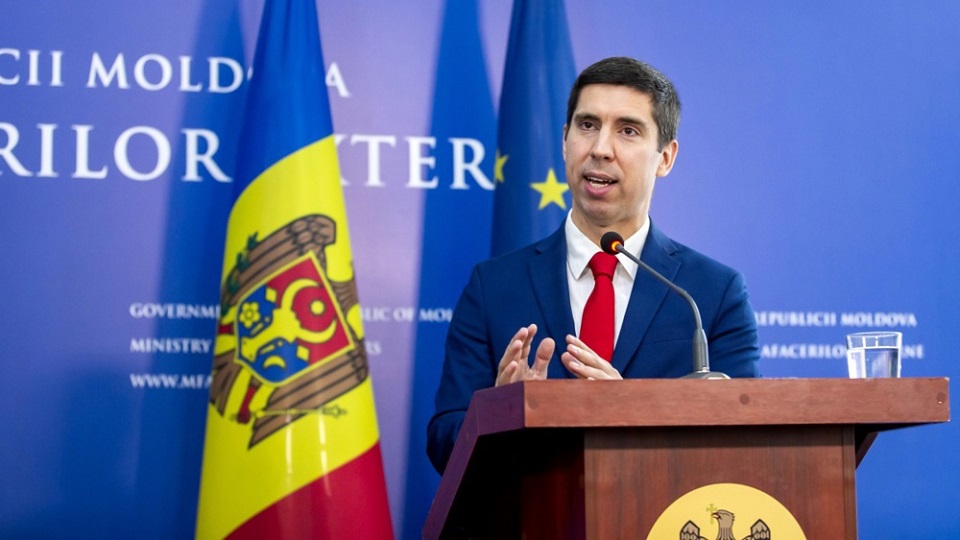
"If we want to act responsibly and in accordance with international law, this debt will probably have to be paid, even if for many years Moldova did not receive real benefits from participating in the CIS"
— Mihai Popșoi, Moldovan politician (on TVR Moldova)
Procedure and timeline
The next steps are submitting the denunciation draft to parliament, the president's signature, and sending the documents to the CIS Secretariat. After official notification, a six-month transition period is envisaged. Meanwhile, Chișinău has already terminated several bilateral agreements with the Russian Federation, including on culture — which led to the closure of the "Russian House" in Chișinău at the end of 2025.
Why the amount matters not for its own sake, but as a signal
€100,000 is not a budgetary issue. It's a legal formality that allows Moldova to sever the last formal ties with the post‑Soviet infrastructure. The decision began shortly after Russia's full‑scale invasion of Ukraine in February 2022; the authorities see elements in the provisions of the old agreements that do not correspond to contemporary national interests.
Regional experts note that such steps have a dual effect — the legal closure of a historical chapter and a political signal about the country's European orientation. It also increases the degree of legal independence on matters of security and foreign policy.
What will change for citizens and businesses
The government assures that leaving the CIS will not affect citizens' freedom of movement or trade relations: they are already governed by bilateral agreements. In other words, daily life and commerce are unlikely to notice changes, but the country's legal status and international orientation will change.
Summary
This is an example of when a strategic choice costs relatively little in money but much in signal. Now the ball is in the parliament's and president's court — declarations should be followed by legally finalized decisions. For neighbors, including Ukraine, this is another marker of how the region is distancing itself from post‑Soviet structures and moving closer to European practices.