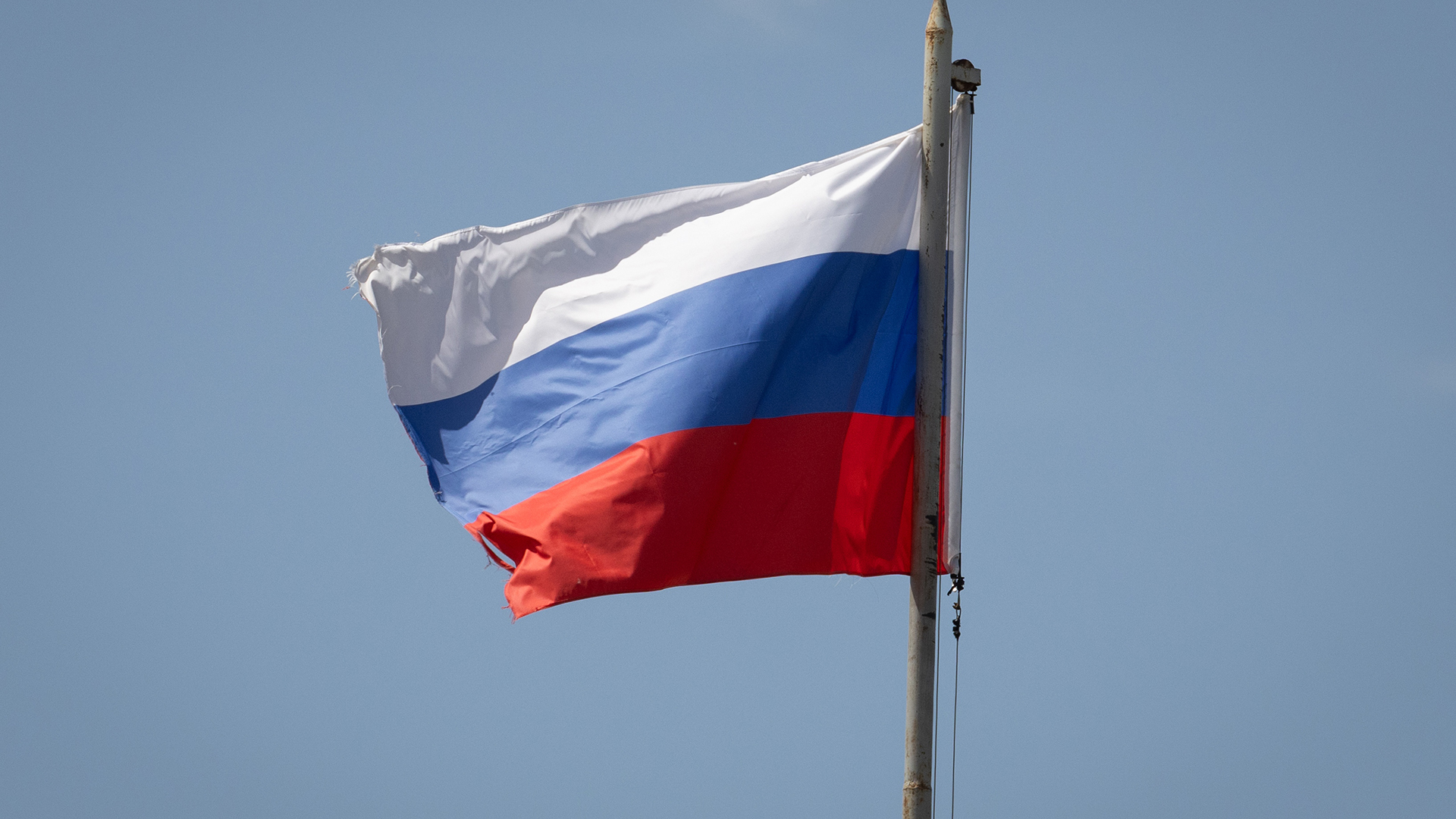
Several of Russia's wealthiest oligarchs, including some close to Putin, have moved tens of billions of dollars abroad over the past year. Bloomberg reported this on July 16. The official reason is concerns about the state of the economy. The real one is fear that their assets will be seized.
$49.5 billion in confiscated assets — and the count isn't closed
According to calculations by Moscow law firm Nektorov, Saveliev & Partners, which specializes in corporate law and tracks these cases, the total value of confiscated property since 2022 has reached 3.9 trillion rubles ($49.5 billion). Over the past 12 months, this figure has tripled. Lawyers have documented 102 separate cases.
Targets include enterprises in strategic sectors, assets of foreigners with Russian passports, and companies linked to people suspected of supporting Ukraine. In June, a Moscow court ordered the nationalization of the Russian developer of World of Tanks after its former founders were recognized as "extremists."
"The Kremlin is simultaneously solving two tasks: the sale of confiscated assets generates revenue and reformats the business elite so that its fate is tied to the regime's survival."
Andrei Yakovlev, economist and research fellow at Harvard University's Davis Center — for Bloomberg
Even loyalty no longer provides protection
Analysts interviewed by Bloomberg are noting a qualitative shift: political loyalty to the Kremlin has ceased to be a guarantee of asset security. Previously, the implicit deal looked like this — don't interfere in politics, pay taxes, get protection. Now this deal is being revised unilaterally.
In March, according to The Bell, Putin called on major businessmen at a closed meeting to make "voluntary" financial contributions to support the state. Billionaire Suleiman Kerimov reportedly promised 100 billion rubles. Coercion through voluntariness is a classic Kremlin tool, but its scale is growing.
A striking example is the case of Vadim Moshkovich, founder of the agricultural holding RosAgro. For decades, he built his business, received state awards, and was a member of United Russia. Last month, a Moscow court ordered the seizure of 49% of his family's shares in the company.
Money is flowing — but where?
Twenty-six Russians on the Bloomberg Billionaires Index have a combined wealth of approximately $350 billion. Their average age is 63, meaning the question of inheritance is becoming increasingly pressing. Some billionaires under sanctions are returning capital back to Russia — simply because they have nowhere else to keep it in the West. Those not under sanctions are seeking "friendly" jurisdictions: the UAE, Turkey, and Persian Gulf countries.
According to Yakovlev, lower oil prices and a strengthening ruble threaten to exhaust the scarce reserves of the National Welfare Fund by year's end. This makes the sale of confiscated assets a convenient source of financing for the army — even with discounts, hundreds of billions of rubles still flow into the budget.
"Anti-corruption lawsuits are becoming not just an instrument in the fight against corruption, but a driving force for the redistribution of assets in favor of the state."
Bloomberg, citing analysis by lawyers at Nektorov, Saveliev & Partners
What this means for the economy
The private sector — the same one that has helped Russia withstand sanctions pressure since 2022 — is systematically weakening. According to Bloomberg's assessment, this trend undermines economic resilience precisely when it is needed most: military spending in 2025 accounts for approximately 7.2% of GDP, and the National Welfare Fund is depleted by nearly 60%.
Capital flight by those close to Putin is not a sign of a break with the regime. It is an insurance strategy of people who see from within that the rules of the game have changed permanently. If the Kremlin continues confiscations at 2025 rates, the question is not whether large private capital will remain in Russia — but whether a private sector capable of financing the economy after the war will remain at all.