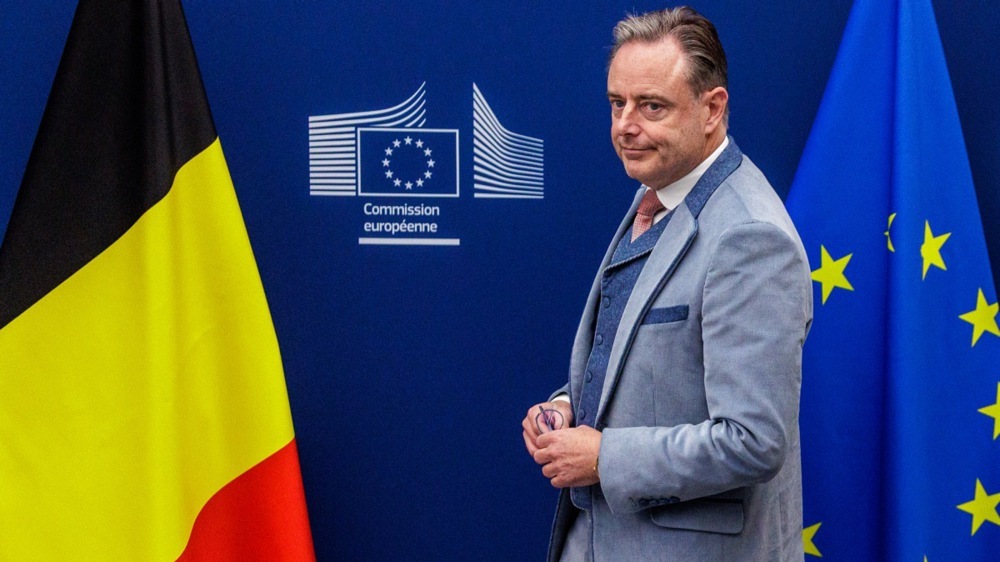
The paradox of war: they are trying to break us, and we are becoming stronger. Right now it is being decided whether Ukraine will receive funds that could radically change the course of recovery and defense. But the path to this runs through a diplomatic battle between EU capitals — and Belgium has become the main blocker.
According to Politico, citing insiders and unnamed diplomats, Belgium is dissatisfied with the compromise text prepared by the European Commission and has demanded additional guarantees before agreeing to the use of frozen assets of the Russian central bank. The meeting of EU ambassadors, scheduled for December 14, was postponed to allow time to review Belgium’s demands.
Why this matters
At stake are up to €210 billion in frozen assets that the European Commission proposed to use for reparations and financial aid to Ukraine. On December 13 the EU Council already froze these funds indefinitely, but their actual release depends on political agreement. Western analysts warn: each day of delay pushes back reconstruction and increases the risks to our home.
Everyone is asking whether the EU can hold firm at this historic moment. Insiders say a compromise exists, but political will is needed — and the speed of decision-making before the summit on December 18–19 is crucial for the money to reach Ukraine.
What Belgium demands
The draft document from the European Commission outlines three guarantees that would protect the countries providing the security mechanism:
- funding for Belgium equal to the entire package in the event of legal claims or measures from Moscow;
- the ability to rely on this system independently of other financial guarantees provided by individual capitals;
- no disbursement of funds until these guarantees are secured; and the simultaneous termination of bilateral investment treaties with Russia by all capitals.
But, diplomats say, even these safeguards are not enough for Belgium — it insists on additional mechanisms to protect against disproportionate risks. Belgian officials told Politico directly that if their concerns are not addressed, the Euroclear depositary will not release the assets.
"All work is focused on prioritizing an agreement on reparations; there is no clear alternative. And we will achieve it. It’s only a matter of time"
– Unnamed European official
What happens next
EU ambassadors will meet again on December 16 (and, if necessary, December 17) to agree the details. This is a moment when politics must overcome doubts: investing in Ukraine today is an investment in the security of all Europe. Western experts and insiders are already calling this discussion historic — the decision made in these weeks will determine whether our side can receive critical funding in time.
The world is watching, and our victory depends on the unity of our partners. If the EU shows determination, these funds will become not just a figure in a budget — they will become a tool for rebuilding, for protecting our homes, and for delivering justice for the destruction brought by the aggression.