What happened
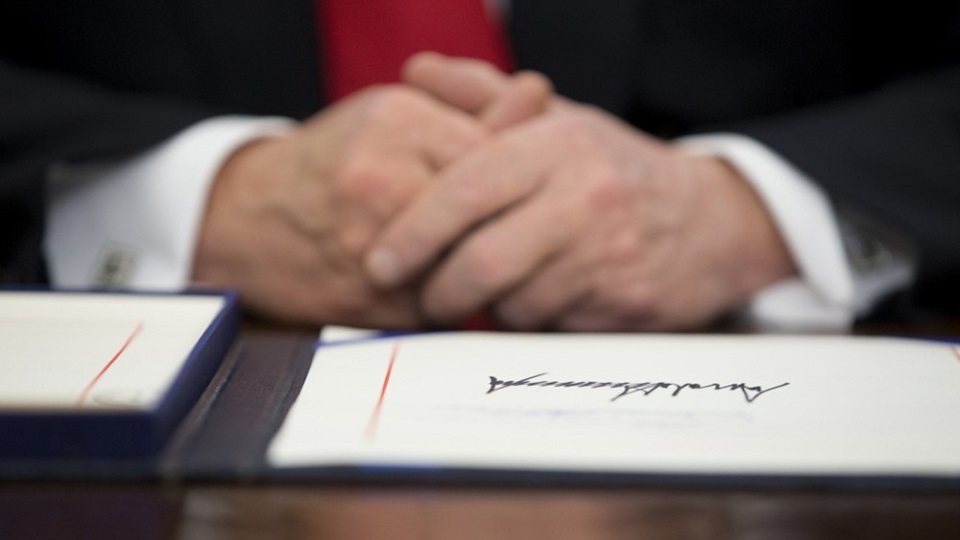
The U.S. Department of the Treasury said that next year paper dollars will bear the signature of the incumbent president, Donald Trump, alongside the signature of the Secretary of the Treasury. According to the department, the first $100 bills with the new signatures are planned to be printed in June, other denominations will follow later, and the notes could enter circulation within a few weeks.
"There is no more powerful way to commemorate the historic achievements of our great country and President Donald J. Trump than U.S. dollar bills with his name..."
— Scott Bessent, U.S. Secretary of the Treasury
Technique and precedents
As the agency Reuters notes, this will be the first time in 165 years that the signature of the U.S. Treasurer is removed from paper currency — a post whose signatures have appeared on banknotes continuously since 1861. At the same time, the Department continues to print some notes with the signatures of previous officials, including Janet Yellen and Lynn Malerba.
Legal framework
The law allows the Treasury to change design elements of banknotes as part of anti-counterfeiting efforts, but it sets limits: the retention of the inscription In God We Trust and the rule that portraits on banknotes may only depict deceased persons. Therefore Trump's imprint will be in the form of a signature, not a portrait.
What it means (analysis)
At first glance — a symbolic change that has little effect on everyday financial operations. But symbols carry weight: currency is one of the central attributes of statehood and trust in institutions. Transferring the name of an incumbent leader onto it contributes to the personalization of state symbols and could set a precedent for further political practice.
The expert community is already drawing attention to another aspect: such an initiative underscores how the administration seeks to cement its name in the public sphere — from coins to government projects. For external audiences, it signals how politics, image, and state symbols combine in the U.S.
Why this matters for Ukraine and its partners
For Ukraine, which is currently defending not only territory but also the institutional legitimacy of the state, this is a reminder: symbols shape perceptions of power and can affect trust in a partner's institutions. While practical risks for international settlements are minimal, the political component is significant: personalization of state attributes can change the tone in which negotiations about support and cooperation are conducted.
"As we approach the 250th anniversary of our great nation, American currency will continue to be a symbol of prosperity, strength, and the unbreakable spirit of the American people under the leadership of President Trump"
— Brandon Beech, U.S. Treasurer (quote from the Department of the Treasury)
Conclusion
This is not a technicality — it is a signal about the way political power can use state symbols. A question for institutions and partners: will currency become a platform for personal politics, and how will the checks and traditions that preserve trust in the state respond?