When Municipal Council Decisions Become Macroeconomics
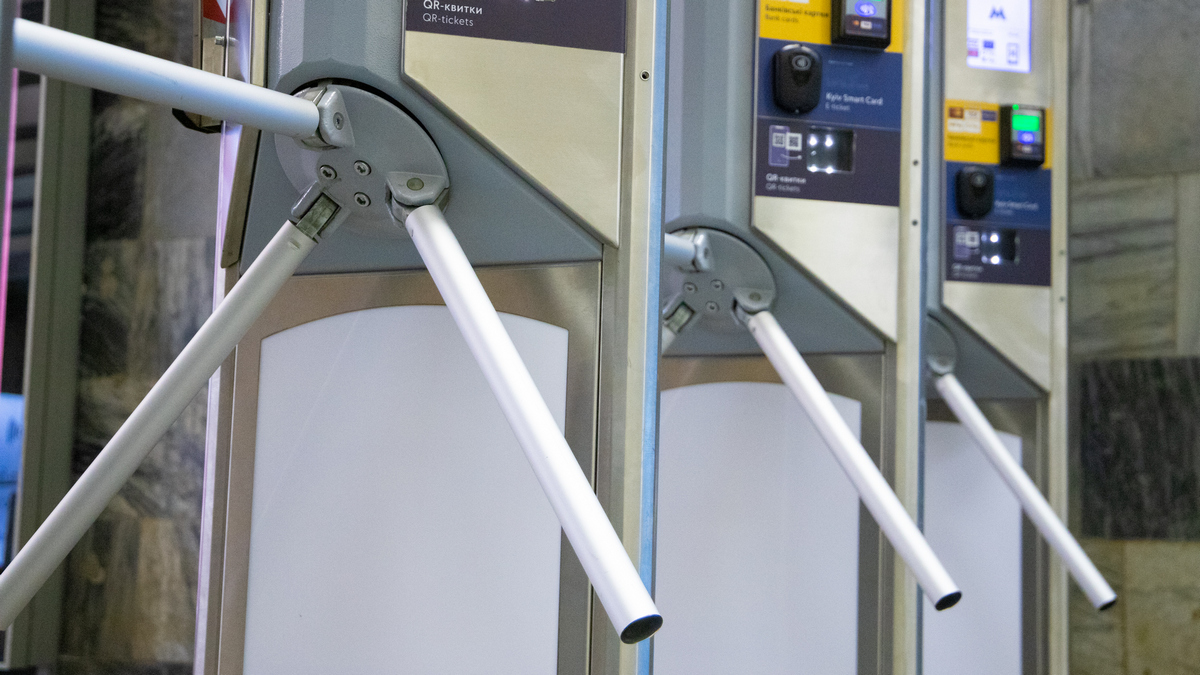
Kyiv City Council raised the fare from 8 to 30 hryvnias — a decision made at the local level, but with consequences for the entire country. Volodymyr Lepushinskyi, First Deputy Governor of the NBU, calculated that the Kyiv tariff alone added 0.1 percentage point to overall inflation, while fare increases across various regions in total contributed 0.3 percentage points. Another 0.2 percentage points by year-end will come from planned water utility rate increases announced by local councils.
Combined — half a percentage point of inflation from two decisions that, at first glance, appear purely municipal. This demonstrates how sensitive the Ukrainian economy is to administrative prices, which have been artificially suppressed below cost for years.
Rate Increase as Response to Surprise
The National Bank responded to accelerating inflation by raising its key policy rate to 15.5% — a move analysts did not forecast. According to updated estimates, inflation through the end of 2026 will rise from the June level of 7.2% to 10%, and while tariff increases are not the only factor, they are one component that can be precisely calculated.
The Main Challenge Ahead
Transport and water are only the first wave. Ukraine has committed to the IMF to gradually raise gas, electricity, and heating tariffs to full cost recovery levels, compensating vulnerable households with targeted support. If fare increases in one city added 0.1 percentage point to overall inflation, then a review of energy tariffs across the entire country will have a much more significant effect.
The NBU promises inflation will return to 5% only by late 2028 — provided the budget deficit is reduced, the labor market stabilizes, and the energy situation improves. The question is whether public tolerance for tariff increases can sustain the pace dictated by obligations to creditors.