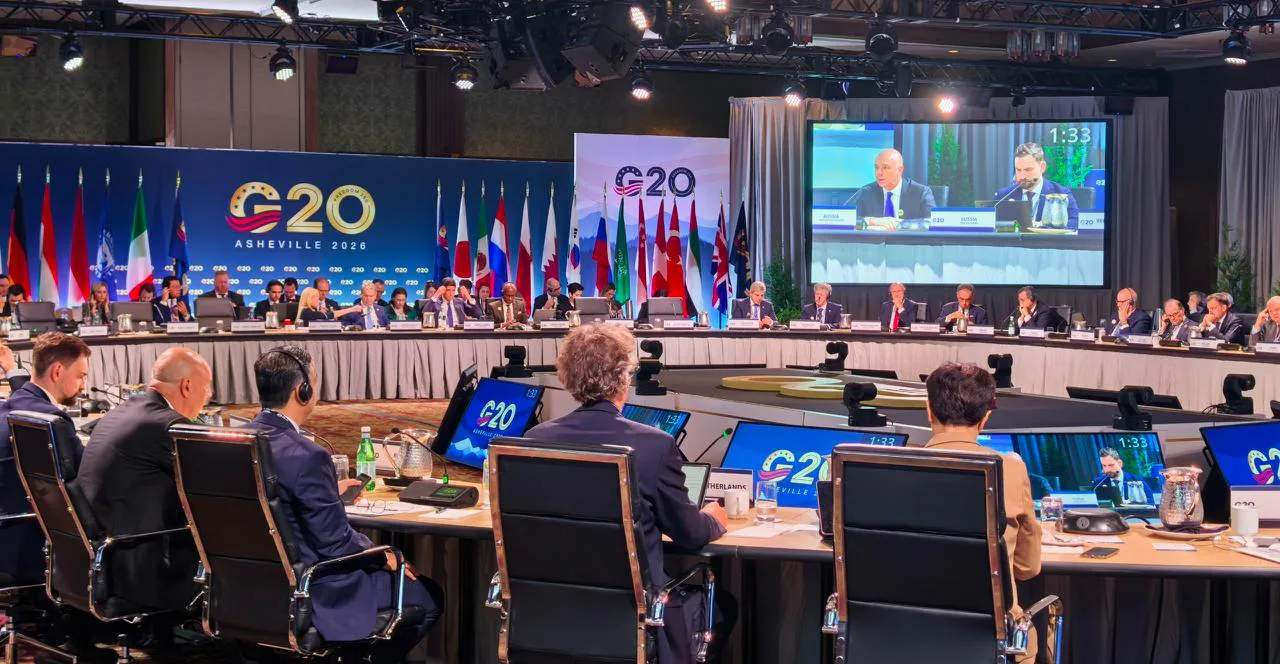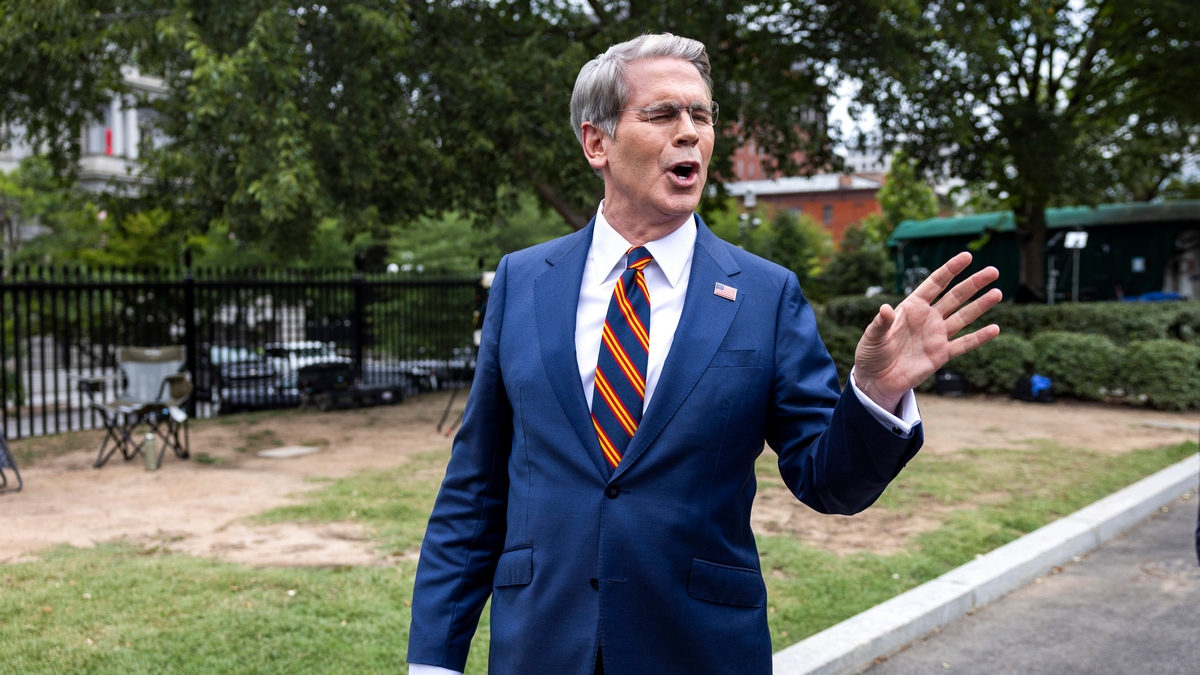
Anton Siluanov arrived at the G20 summit in North Carolina with a concrete plan: to use a personal meeting with Scott Bessent to sound out the ground for discussing "areas of mutual interest." This is standard diplomatic tactics — to start not with the main problem, but with neutral topics where common ground can be found. It didn't work. According to Reuters sources, the American Treasury Secretary interrupted him mid-sentence.
Bessent's phrase was brief: "Nothing is possible until the war ends." This is not a rhetorical gesture — it is an operational position of the U.S. Treasury Department, which precisely controls the sanctions mechanism and theoretically could weaken them without Congressional approval in certain cases. The fact that the key person who is physically able to ease restrictions is publicly refusing to even discuss the topic closes one of the few real channels of influence for the Kremlin.
Why Siluanov came at all
This is the first personal participation of Russia's Finance Minister in a G20 meeting since 2022 — previously he participated only online, and even then some Western delegations demonstratively left the room. The mere fact of traveling to the United States signals: Moscow believes there is now a window of opportunity related to Trump's peace plan for Ukraine, and is trying to use any formal pretext for direct contact with the American side.
The calculation partially worked: the meeting took place, the peace plan was discussed. But the attempt to expand the conversation to economic cooperation was blocked immediately.
Europe moved preemptively
While Bessent was refusing to talk to Siluanov about sanctions relief, a separate skirmish unfolded in Europe — purely symbolic, but telling. German Vice Chancellor Lars Klingbeil and several of his colleagues threatened to boycott a group photo of G20 finance ministers if a Russian was in the frame. Siluanov was not in the photo.
This is a repeat of the 2022 scenario, when Janet Yellen and other Western ministers walked out of the room during speeches by Russian representatives — only then it was a protest over a boycott, and now over a boycott of a photograph.
The difference is telling: Washington is willing to sit at the table and listen, but blocks any movement on sanctions; Berlin and some European capitals are not even willing to appear in the same frame. Two different isolation strategies — strict control over the content of the conversation versus strict control over symbolism.
What this means for the peace plan
Bessent's position effectively sets a boundary for any negotiations around Trump's plan: economic concessions cannot be part of a transitional phase or interim agreements — they are tied exclusively to the end of the war. This narrows the maneuvering space for the Kremlin, which traditionally tries to exchange partial steps for partial gains.
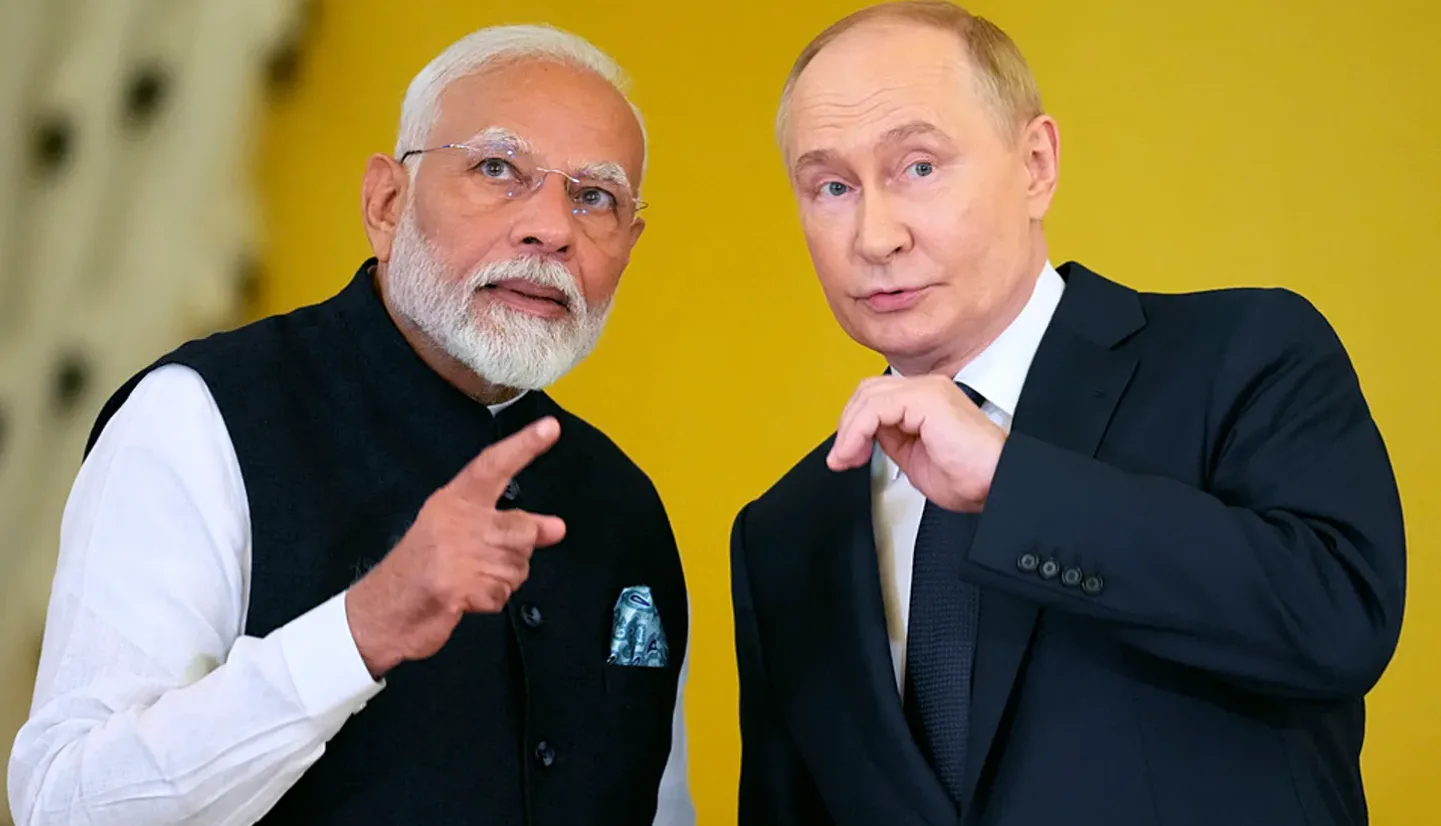
The question remains open: will this hard line hold until December 2026, when Trump has already hinted at the possibility of Putin's participation in the G20 summit in Miami? If the war has not ended by then, the American side will either have to confirm Bessent's position once again — publicly, on its own territory — or give the first signal of readiness to discuss sanctions sooner than promised.