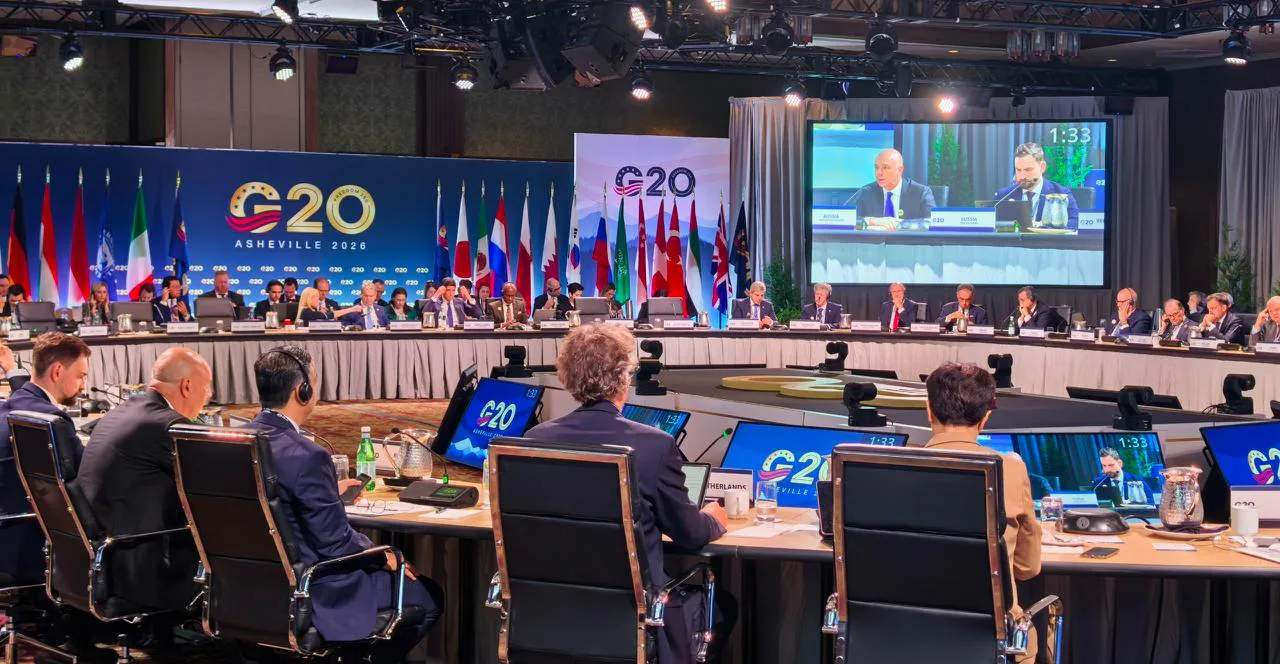
Russia's Finance Ministry publicized its own version of negotiations during a G20 finance ministers and central bank governors meeting in the United States, omitting any discussion of ending the war against Ukraine. Meanwhile, American media outlets and U.S. representatives reported that U.S. Treasury Secretary Scott Bessent discussed Donald Trump's plan for resolving the Russia-Ukraine war with Russian Finance Minister Anton Siluanov, according to UNN.
The Russian Finance Ministry stated that during the first day of the meeting, Siluanov participated in sessions regarding the global economic situation, economic growth stimulation, and sovereign debt resolution. The Russian ministry's statement made no mention of Ukraine or negotiations on ending the war. Siluanov instead spoke about the need to restore G20's role as a mechanism for financial coordination and identified "geopolitical fragmentation" and growing global debt as the world economy's main problems.
Why Now
Siluanov's appearance in Asheville was a significant event: it was his first in-person G20 finance meeting since April 2022, roughly six weeks after Russia's full-scale invasion of Ukraine began. Formally, the G20 meeting itself was the occasion, but according to the American side, the substance of the negotiations went far beyond financial coordination.
According to CNBC, Fox Business, and other American media outlets, Bessent specifically addressed the peace plan proposed by Trump during his meeting with Siluanov in Asheville. Fox Business provided additional details: a Fox Business correspondent reported that the two discussed U.S. President Donald Trump's 28-point peace plan for Ukraine. The plan itself has undergone changes: Trump's original peace plan included 28 points, which were later condensed to 20 points.
The timeline also shows that the U.S. financial meeting was just one channel of contact. A week earlier, another significant event occurred: CIA Director John Ratcliffe met with Russian intelligence officials in Moscow, marking the first publicly-known visit to Moscow by a CIA director since 2021. According to an Axios report, this meeting also addressed the format of further negotiations, with Ratcliffe proposing a trilateral meeting between President Trump, Russian President Putin, and Ukrainian President Zelensky in an effort to end the war.
Who Benefits From This Configuration
For Washington, parallel channels—the financial one (Bessent-Siluanov) and the intelligence one (Ratcliffe-Moscow)—allow it to advance the plan without an official negotiation format where the parties would have to publicly record their positions. For the Kremlin, Siluanov's participation in G20 represents an attempt to regain its status as a legitimate participant in global financial architecture, from which Russia had been effectively cut off since 2022.
However, Bessent publicly set limits: he told Russian Finance Minister Anton Siluanov that no sanctions relief or new agreements are possible as long as the war in Ukraine continues. He made this clear during the meeting, telling Siluanov that "nothing is possible until the war is over" when the Russian minister brought up other areas of mutual interest.
In other words, the American position publicly appears tough—no peace, no sanctions relief. But the very fact of the bilateral meeting and discussion of Trump's plan demonstrates that the administration is willing to talk with Moscow directly, despite ongoing military operations.
How Opponents Respond
Siluanov's return to the G20 table faced open opposition from Europeans even before the meeting with Bessent. His first in-person appearance at the summit since Russia's 2022 invasion of Ukraine drew objections from other European leaders. This was made more specific by another source: European officials pushed back immediately, with German Vice Chancellor Lars Klingbeil among the loudest critics.
The protest also had a symbolic dimension—the traditional group photo of summit participants. Russia's surprise return to the table sparked dismay among European officials, who opposed appearing with Siluanov in the traditional G20 photo, which was ultimately taken without the Russian minister. Another account of the same incident: the protests were visible enough that Siluanov quietly skipped the traditional group photo.
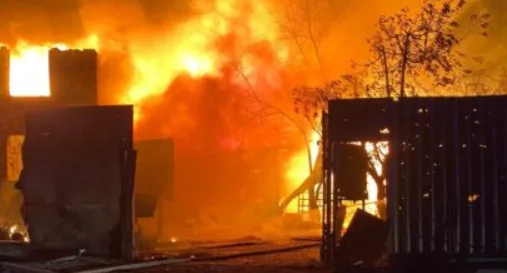
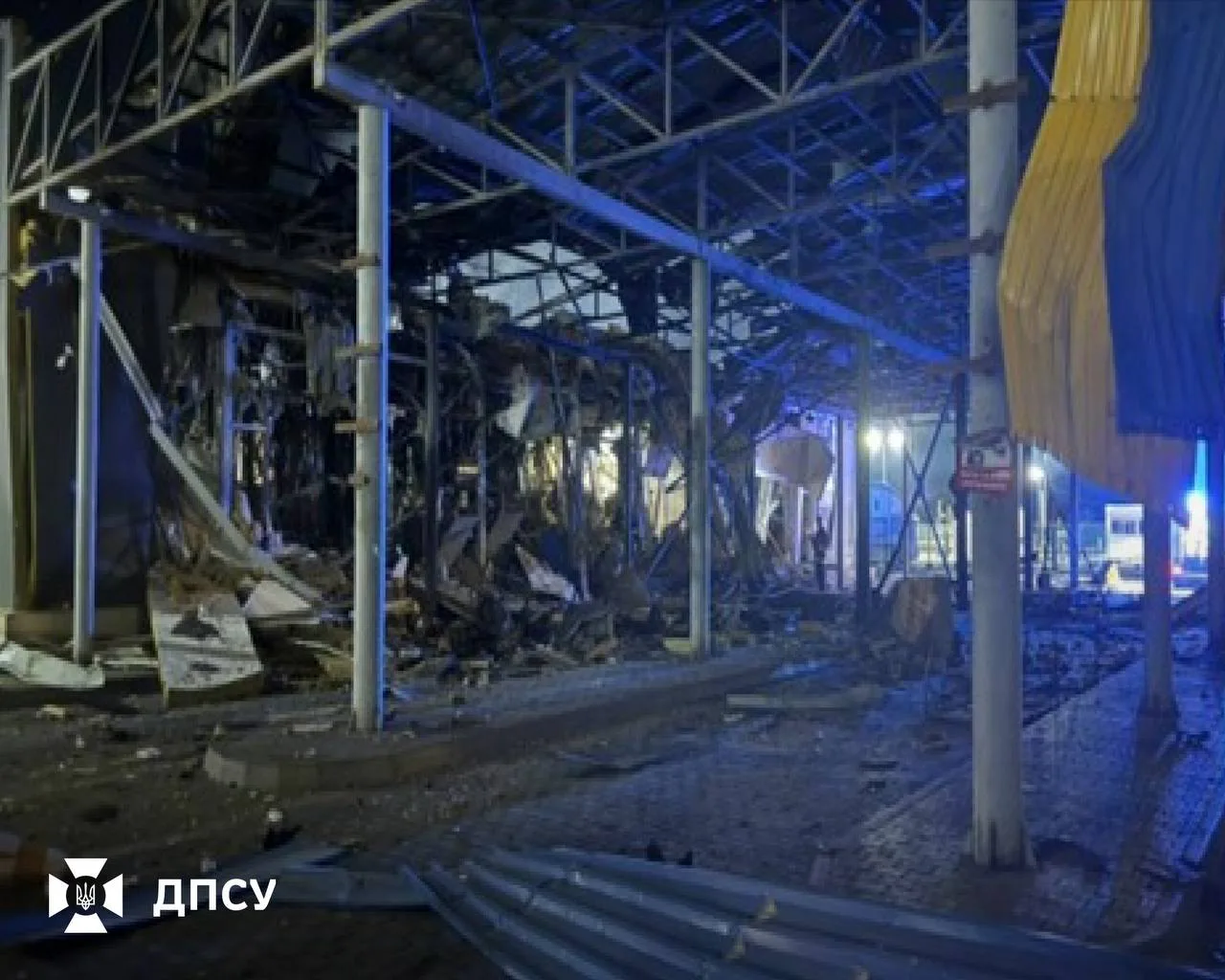
Against the backdrop of diplomatic maneuvering in the United States, the situation on the front offered no grounds for optimism. President Zelensky directly described Moscow's tactics: "Right now, Russia's tactic is to wear down Ukraine and Ukrainians—first and foremost, our people," Ukrainian President Volodymyr Zelensky said, against reports of one of the bloodiest days of the war.
The discrepancy between what Russia publicly acknowledges (purely G20 financial topics) and what the American side confirms (negotiations regarding a plan to end the war) is not a technical reporting detail. It demonstrates that the Kremlin is trying to avoid domestic and international consequences of admitting that negotiations on Ukraine are occurring and that Russia is participating in them. The real question is whether this double accounting will become the norm in subsequent rounds of contact, or whether European partners can maintain a unified line regarding Moscow's isolation, despite Washington's willingness to speak with it directly.