What happened
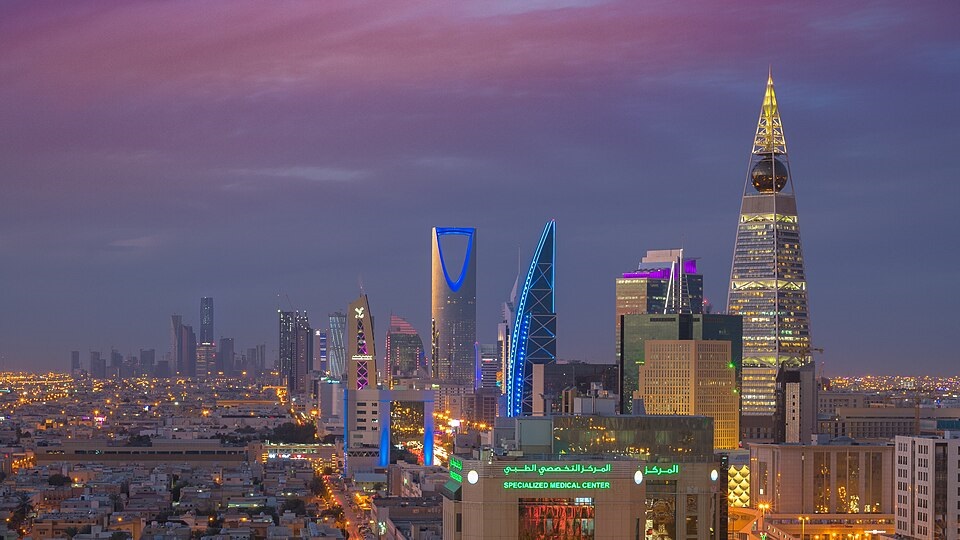
On January 6, the Saudi Arabian Capital Market Authority announced the removal of special requirements and restrictions for foreign investors. Previously, one of the key barriers was the requirement to have $500 million in assets under management; from now on foreigners will be able to buy and sell shares directly on the Tadawul main market. The changes take effect on 1 February 2026, and authorities expect increased liquidity and a capital inflow.
Context and motives
This is not a random move. Against the backdrop of high costs and falling oil revenues, Riyadh needs external sources of financing — as Bloomberg writes. At the end of September, the market capitalization of the Saudi market was estimated at about $2.3 trillion, and foreign ownership stood at over 590 billion SAR ($157.3 billion), with around 88% of that sum concentrated in the main index.
The economics of the decision: who will benefit
Analysts see several channels of impact. According to calculations by British Jefferies, if foreign ownership limits rise from the current 49% to 60–100%, passive inflows from MSCI and FTSE trackers could range from $3.4 billion to $10.2 billion. At the same time, the Tadawul exchange is recording increased interest in IPOs — in December management reported about 40 listing applications and roughly 100 potential issuers.
On the local level this means more IPO applications, higher liquidity and a potential reduction in the cost of capital for Saudi companies. Examples from the private market show that some players are already seeing substantial gains: data indicate that shares of certain private funds rose significantly in 2025 and have strong cumulative returns over several years.
"The changes are expected to help attract additional international investment."
— Capital Market Authority (statement from 6 January 2026)
What this means for Ukraine and global markets
For global capital, this is another large "reservoir" of liquidity: funds and indices may revise portfolio weights, and attractive sectors — energy, finance, infrastructure — will receive additional financing. For Ukraine the signal is twofold.
On one hand, competition for investors will intensify: some passive and active flows will be redirected to Saudi Arabia, especially if disclosure quality and the number of IPOs increase there. On the other hand, global funds moving into the region could eventually pay attention to our markets if Ukraine maintains macro stability and investment reforms. Simply put: capital will become more mobile, which means competing requires not only arguments but also transparency and project quality.
The ball is now in the investors' court: Saudi Arabia's decision opens both opportunities and risks — everything depends on how countries and companies turn potential into real deals and investments.