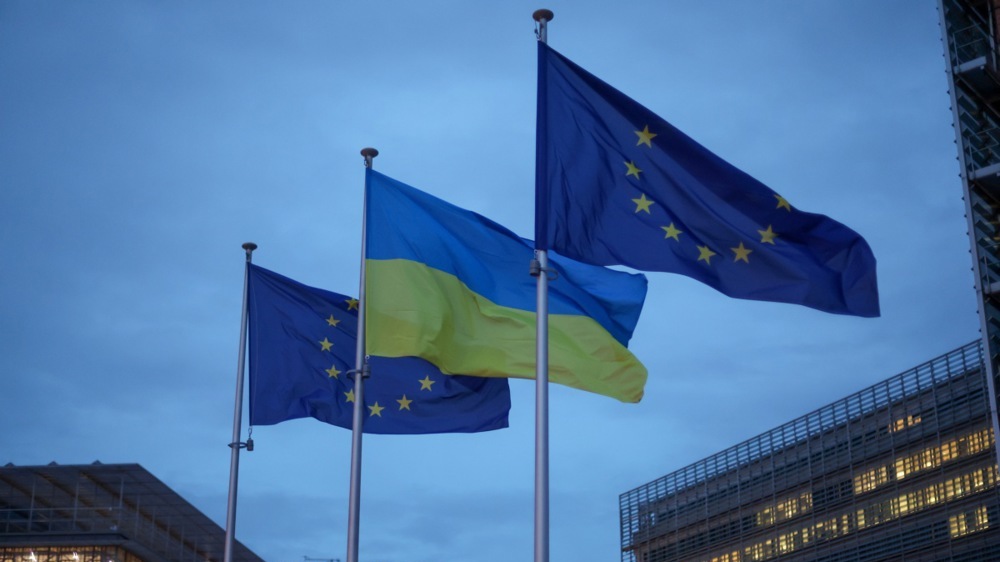
Position of seven countries
Seven EU countries believe that the swift adoption of a reparations loan financed by frozen Russian assets will put Kyiv in a stronger position during peace negotiations with Moscow.
This is stated in a letter to the President of the European Council António Costa and the President of the European Commission Ursula von der Leyen. The document was signed by the prime ministers of Estonia, Finland, Ireland, Latvia, Lithuania, Poland and Sweden.
The authors of the letter argue that a reparations loan is the most economically justified and politically realistic option that aligns with Ukraine's right to compensation for damages caused by the aggression.
Obstacles and positions
The leaders disagree with the claim that such a loan would hinder peace efforts. They assert that taking a decision at next week's summit will strengthen Ukraine's ability to defend itself and improve its position in negotiations for a just and lasting peace.
- On 5 December, German Chancellor Friedrich Merz and the head of the European Commission failed to convince Belgian Prime Minister Bart De Wever to allow the use of Russian assets frozen in Belgium for the loan.
- Financing of the state budget for 2026 depends on these funds.
- France supports the idea of a reparations loan, but opposes involving French commercial banks in the scheme; those banks hold about €18 billion in Russian assets.