In brief
On December 29 the Cabinet of Ministers approved a postponement of the mandatory use of RRO/PRRO for FOPs — payers of the single tax in group 1, vending‑machine sellers, mobile traders and those who sell produce they have grown. This rule was supposed to come into force on January 1, 2026 under Cabinet Resolution No. 894 of July 29, 2022, but it was deferred until the end of martial law.
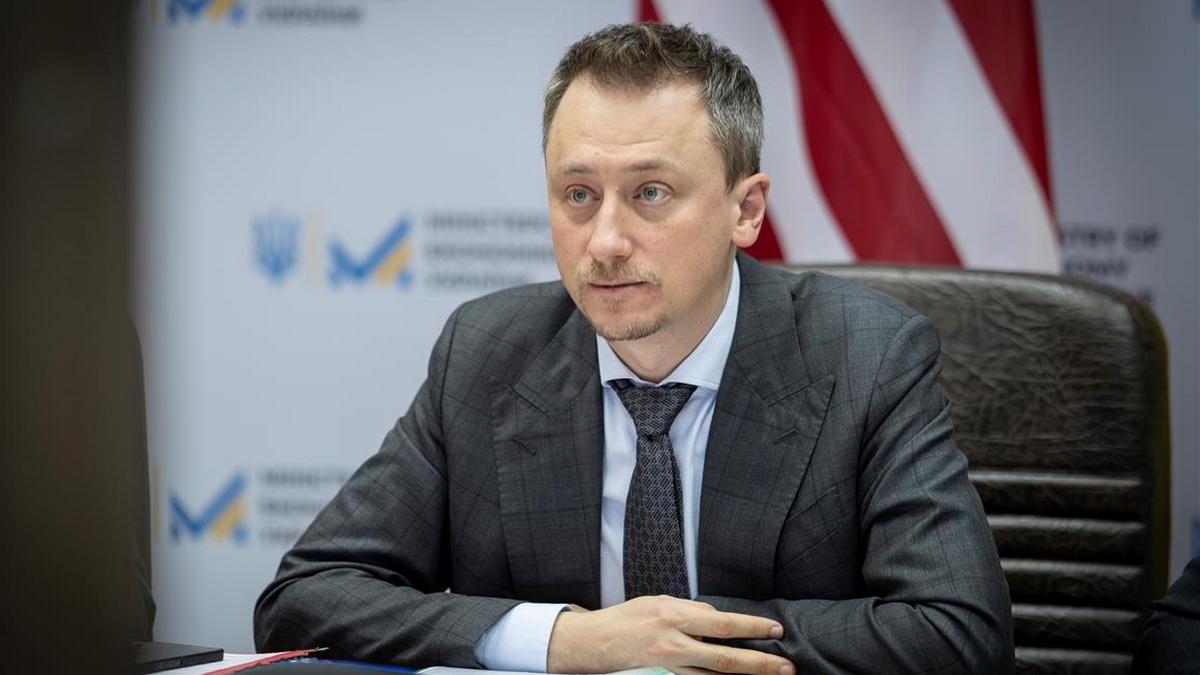
"The state gave three years to prepare for this decision, but we hear that some entrepreneurs are still not ready, in particular because of the cost of terminals"
— Oleksii Sobolev, Minister of Economy, Environment and Agriculture (interview with LIGA.net)
Why the decision was made
The reason is not bureaucracy, but economics and security. Entrepreneurs with minimal levels of activity are already feeling pressure from the war: logistics are more expensive, incomes are unstable, and the cost of POS terminals and their maintenance creates an additional financial burden. These were the arguments the minister cited in talks with journalists.
"The postponement will, in particular, help entrepreneurs who have minimal levels of activity... avoid additional financial and administrative burden during the period of martial law"
— Oleksii Sobolev, Minister of Economy, Environment and Agriculture (interview with LIGA.net)
What this means in practice
There is no need to immediately buy a POS terminal. The law does not require installing a POS device specifically: an FOP can accept cashless payments via payment apps, transfers to the FOP's IBAN account, or QR codes (through a bank or independently). The main requirement is to have an open FOP account and accept payments to it; instructions on QR payments are available on the National Bank's website.
Who this matters to
This decision is a respite for the smallest businesses that operate solo and are not allowed to hire. But the postponement does not solve the systemic problem of digital infrastructure and access to affordable payment instruments, which could slow the digital transformation of small business after the war.
What FOPs and customers should do right now
FOPs: check that you have an open account for receiving payments; review the QR options from your bank; compare banks' offers for free or low‑cost payment acceptance tools. Customers: use cashless methods where convenient — it simplifies recordkeeping and makes the payer more protected.
Consequences and risks
The postponement reduces the burden now, but leaves questions open: will the state support the availability of payment solutions in the regions, will subsidies for equipment appear, and how will control over the shadow economy change after martial law ends. Analysts and business representatives point to the need for a public‑private dialogue to create simple and inexpensive payment acceptance mechanisms.
Conclusion
The postponement is a pragmatic step in wartime that protects the most vulnerable entrepreneurs. But it also underscores that digital accessibility of payments is not only a regulatory issue, but an investment in infrastructure. Whether the state will turn the postponement into a plan for support and access to electronic payment services will determine how quickly small businesses adapt after the war.