Money loves silence: why it's worth paying attention right now
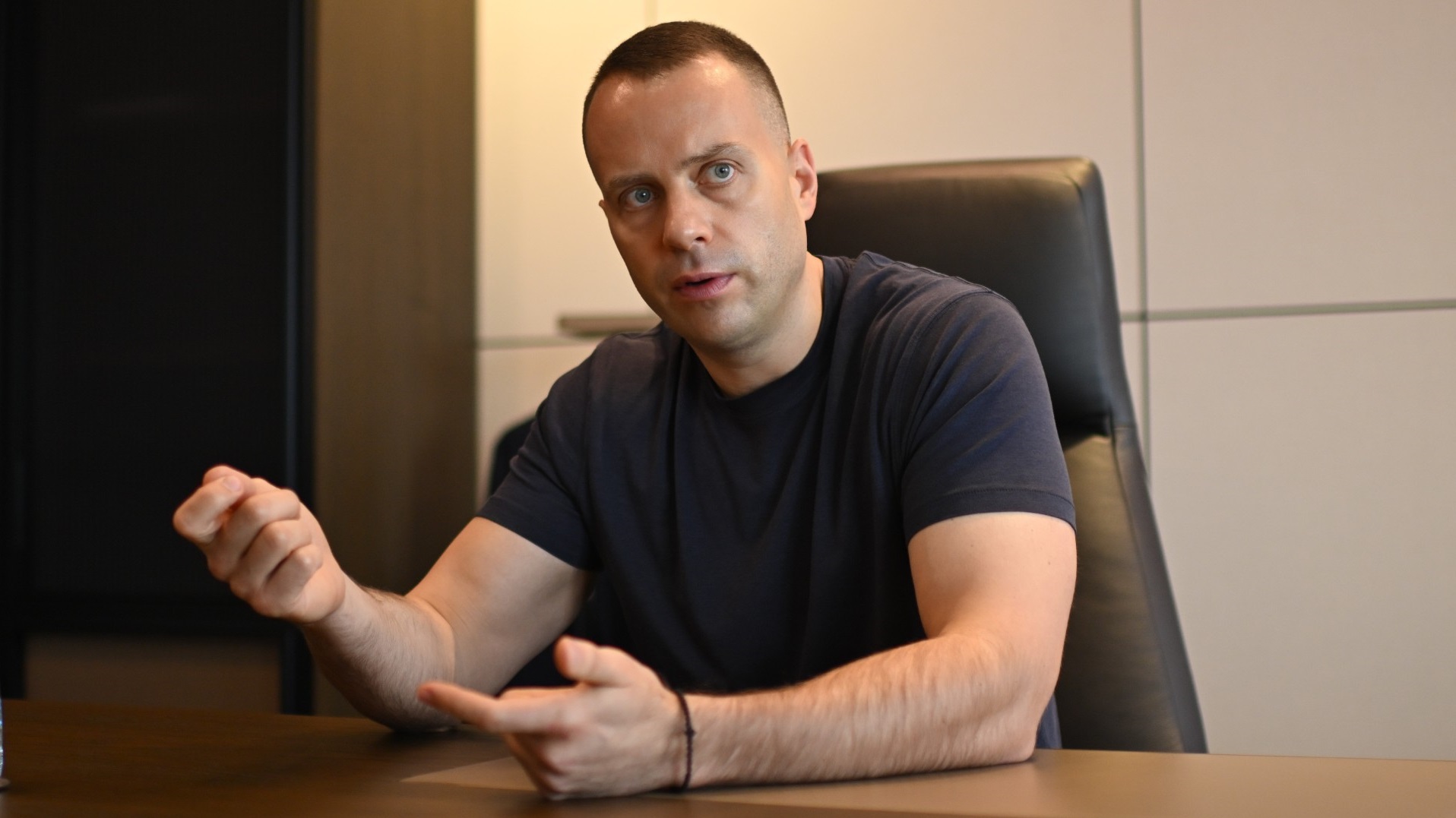
According to Ekonomichna Pravda, the founder of MS Capital and the company «Avtostrada», Maksym Shkil, has officially confirmed his intention to acquire PIN Bank. This is more than a financial transaction: a buyer with experience in delivering large infrastructure projects could turn the bank into an instrument for supporting small and medium-sized enterprises and local reconstruction.
The project has a foundation: Shkil was one of the four main contractors of the "Big Construction" program, and his company is currently involved in building the metro on Vynohradar and the Podilskyi bridge crossing in Kyiv. LIGA.net has already recorded his comments on large infrastructure projects and financial challenges, which adds weight to his statement.
“We have a very strong team with deep expertise in this area, a development plan and an understanding of what to do with it. So, if the price is reasonable, I am ready to invest in this direction.”
— Maksym Shkil, founder of MS Capital and owner of Avtostrada
Market view: numbers and realities
According to sources cited by Ekonomichna Pravda, the starting valuation of PIN Bank could range between UAH 100–150 million. If the purchase is approved, Shkil plans to invest about $30 million in developing the retail bank over the next two years, focusing on serving SMEs and individuals.
Important context: in 2023 PIN Bank was removed from the market and nationalized — it previously belonged to Yevhen Hiner. The NBU withdrew the bank due to breaches of regulations, so the buyer will inherit not only assets but also the task of restoring trust and meeting regulatory requirements.
What this means for Ukraine
First, the potential deal shows that business is willing to invest in the financial sector even during wartime — a marker of confidence and readiness to put capital into economic recovery. Second, if the new owner implements a plan to direct resources to SMEs, this could accelerate financial inclusion for small businesses, which currently face a shortage of accessible loans and services.
However, there are risks: the bank needs recapitalization, restoration of its loan portfolio and strengthened compliance with NBU standards. In addition, the regulator must approve the deal — without its consent the purchase will have no practical effect.
Next steps
Now the key task is to pass the regulator's review and turn intentions into an investment plan with clear stages. If successful, the deal could become an example of how domestic business strengthens the country's financial infrastructure and supports the recovery of cities and enterprises.
Sources: Ekonomichna Pravda, LIGA.net, interlocutors familiar with the bank's financial condition, comment by Maksym Shkil.