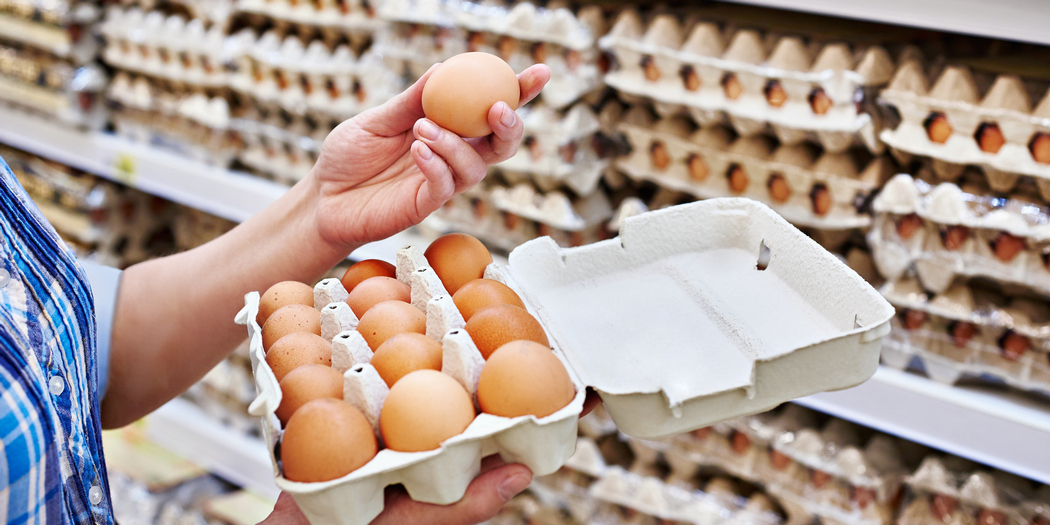
If you judge by a supermarket receipt, July should have seemed like a calm month: eggs became 6% cheaper, vegetables fell by almost 6%, meat prices dropped slightly. But precisely at this moment, according to State Statistics Service data, annual inflation accelerated to 7.7% — up from 7.2% in June. The explanation lies in the fact that everyday items that people buy and immediately notice became cheaper, while things people pay for once a month with no alternatives — utilities — became more expensive.
When a utility bill weighs more than a grocery basket
Water supply prices rose by 31.9% year-over-year, sewerage by 29.8%, garbage collection by 5.1%. These are not seasonal fluctuations like vegetables or eggs, which can reverse direction within months. Utility service tariffs are raised less frequently, but for long periods — and in Ukrainian conditions this is often connected not with market dynamics, but with real costs of restoring infrastructure worn down by years of underinvestment and war.
For households, this means a simple practical conclusion: the savings on food that many felt in July are offset by increases in fixed payments that cannot be reduced by buying a cheaper brand or waiting for a discount.
Why this is more than just a State Statistics Service figure
The National Bank responded to the acceleration in inflation in a way that is unconventional for the market — it raised the key policy rate to 15.5%, although some analysts expected the opposite move. This is a signal: the regulator sees a risk that inflation will exceed the official forecast of 10% by year-end, and is trying to curb this preemptively rather than after the fact.
According to the NBU's estimates, a return to the target 5% inflation will only occur by the end of 2028 — and this is conditional on budget deficits being cut, the labor market stabilizing, and the security situation in the energy sector improving.
In other words, this is not about a short spike, but about years of living with inflation above comfortable levels, where utility tariffs and services risk becoming the key driver of risk rather than food products, which are traditionally considered the main indicator of "felt" inflation.
What this means for your wallet in autumn
If July's trend solidifies, Ukrainians will see a paradoxical picture: grocery receipts may look more stable, while bills for water, heating, and garbage collection will continue to rise faster than overall inflation. The question for the coming months is whether tariff adjustments will manage to stop before the NBU has to raise rates again in order to keep the forecast 10% for the year.