Brief — why this matters
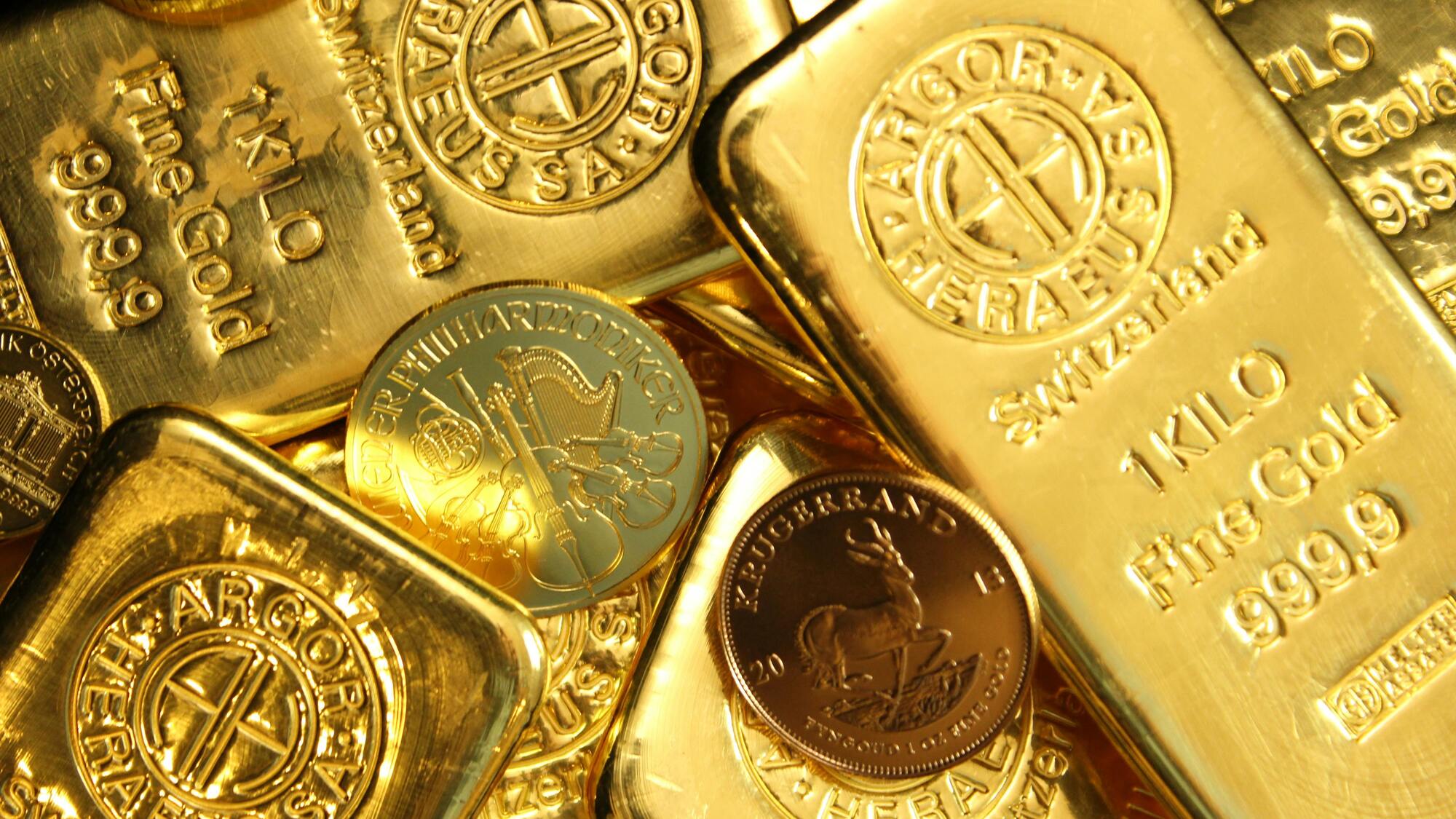
According to Bloomberg, on Monday in Asian trading the price of gold exceeded $5000 per ounce, rising by about 1.7%. Silver simultaneously climbed roughly 6%, surpassing the $82 per ounce level. This is a partial recovery after the sharp fall at the end of January, when the metals lost a significant portion of their value.
Reasons for the rebound
Traders buying the dip returned to the market after a week of high volatility. Additional support came from official signals: according to Securities Times, the People’s Bank of China continued buying gold for the 15th consecutive month — signalling steady official demand and a desire to diversify reserves without sharp price swings.
"The ability of gold to stabilize above the $5000 threshold will be crucial in determining whether the market can move from a reactive bounce to more sustainable gains."
— Ahmad Assiri, analyst at Pepperstone Group
Background: policy that shocked the market
At the end of January the record collapse was partly triggered by the US president’s announcement of his intention to nominate Kevin Warsh as chair of the Federal Reserve. Warsh is known as a proponent of tough anti-inflation policy — expectations of tighter monetary policy strengthened the dollar and pressured dollar-denominated gold prices.
Warsh previously served on the Fed’s board from 2006–2011; if the Senate confirms him, he could succeed Jerome Powell in May 2026. The market’s assessment of inflation risks and monetary policy will remain a key driver of metal prices.
What this means for Ukraine
For Ukraine’s economy, shifts in the precious metals market have several practical consequences: an impact on the central bank’s foreign reserves (part of reserves may be denominated in gold), on the cost of imports and, partly, on investment sentiment. A stronger dollar and tighter Fed policy will complicate external financing conditions, while waves of demand for safe-haven assets may support gold prices in the short term.
What traders are watching next
The next key milestones are the US employment report and inflation data, which will set the tone for future Fed policy. If markets see signs of cooling inflation or a weaker labor market, this could weaken the dollar and again support metals. Conversely, stronger data will reinforce expectations of tighter monetary policy and pressure prices.
Conclusion
The rebound in gold and silver after the January crash is important but so far partly technical. Whether it develops into sustained growth depends on decisions by central banks, signals from China and confirmations of Fed nominees. For Ukraine the key is to monitor the currency market and external financing conditions: these global movements have a direct impact on economic stability and the cost of resources needed for reconstruction and defense.