Market: what happened
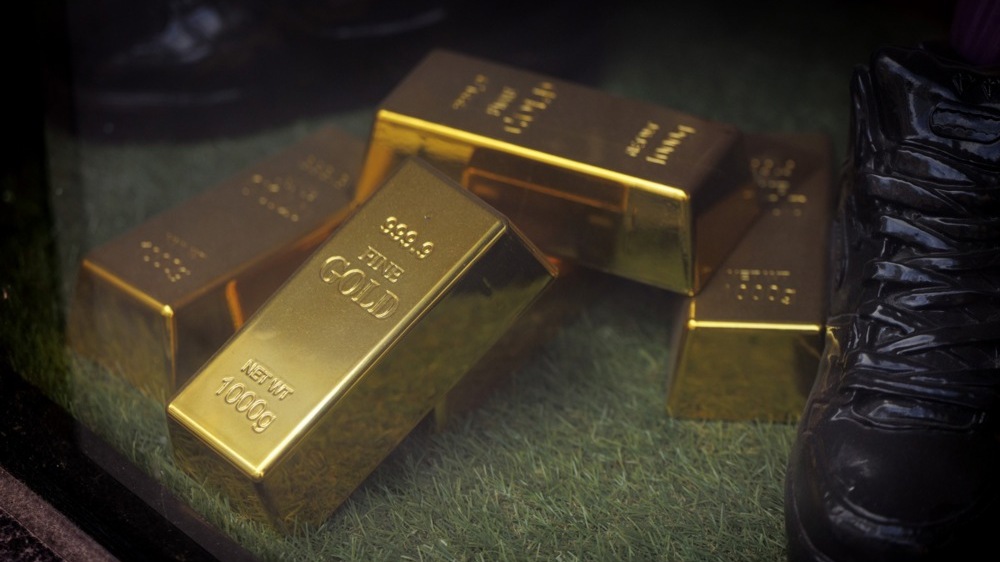
Bloomberg reported that the spot price of gold rose 1.6% — to $4,670.47 per ounce, with a peak of $4,690.59. Silver added 3.4%, climbing to $93.1755 per ounce (high $94.1213). The market reaction was driven by the US president’s statements regarding Greenland and the related trade measures.
Why markets are rising: logic, not panic
Precious metal prices traditionally reflect expectations about uncertainty and dollar weakness. Analysts point to three channels of influence: rising geopolitical risk, increased trade tensions, and weakening confidence in the US currency. Together these create demand for safe-haven assets — gold and silver.
“Geopolitical risks continue to rise. New uncertainty in trade undermines growth prospects, and US foreign policy is eroding confidence in the US dollar. It’s the perfect combination for gold and silver.”
— Kyle Rodda, analyst at Capital.com Inc., Melbourne
Forecasts and authoritative assessments
The market already has ambitious forecast scenarios: Citigroup predicted the possibility of gold reaching $5,000 per ounce and silver $100 per ounce within a few months. Such assessments serve as social proof for investors and reinforce the trend, as large players adjust portfolios according to these expectations.
Political decisions fueling the market
Press releases on January 17 mentioned the imposition of US tariffs on a number of European countries in response to disputes over Greenland: from February 1, 2026 — a 10% tariff on goods from Denmark, Norway, Sweden, France, Germany, the United Kingdom, the Netherlands and Finland; from June 1, 2026 — an increase to 25%. Politico and European sources also report the EU’s willingness to consider retaliatory trade measures worth up to €93 billion and a possible delay in ratification of trade agreements at the European Parliament level.
What this means for Ukraine
The indirect effects are real. Rising precious metal prices and a weaker dollar put pressure on exchange rates, import costs and the cost of external borrowing. For Ukraine this means: 1) possible higher prices for some imported goods and components; 2) changes in the valuation of foreign exchange reserves and strategies for hedging them; 3) an impact on the cost of international procurement of weapons and equipment, which are often pegged to the dollar. All this makes transparent currency policy and forecasting of budgetary needs more important.
Conclusion — no panic, with a plan
Markets react to concrete political moves and the expectations of large investors. For the Ukrainian reader the key question is not “how high will gold rise,” but how the state and businesses will adapt to the changes: from hedging strategies to priorities in financing defense and infrastructure. The ball is now in the court of politicians and financial managers — whether they will turn short-term turbulence into long-term resilience.