What was done
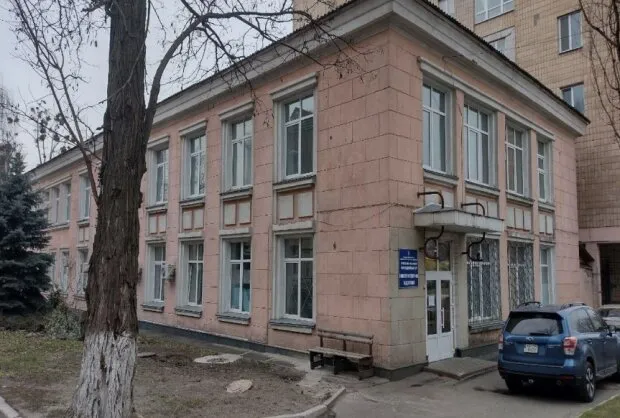
A new oncological surgery department has opened at the Kyiv Regional Oncology Dispensary — a modern medical space equipped in accordance with current treatment and patient safety requirements. To implement the project, UAH 4,700,000 was allocated from the regional budget last year for major repairs of part of the fifth-floor premises of the therapeutic building.
"As a result of the renovation, a full-fledged department has been created with a modern operating room, a procedure unit, comfortable patient wards and workspaces for medical staff."
— Kyiv Regional Military Administration
First results — immediate patients
On the first day of the department's operation, doctors performed several complex surgeries, including a right-sided hemicolectomy and a lung resection for malignant tumors. This is not a symbolic ceremony — this is a practical effect: patients receive surgical care closer to home, and highly specialized interventions no longer require additional logistical complications.
Why this matters for regional residents
A shorter waiting time for surgery is a real contribution to survival and quality of life. Local investments in infrastructure mean fewer expenses and less stress for families, faster access to postoperative follow-up, and more stable care routes for medical personnel.
This is also an example of how regional resources work toward the systemic resilience of healthcare: investment in premises and equipment allows the range of services to expand and increases the institution's operational readiness.
What’s next
The task now is to support the department with equipment, staff and a postoperative rehabilitation system so that the first successful interventions become routine practice. Questions for leadership and communities: what tools should be used to monitor quality, and how can this approach be scaled to other regions?