Why this is worth reading
The prize has not only cultural meaning — it shapes what the state and society consider important to preserve for future generations. Recognizing the work from Bucha underscores: photography as evidence and as an element of collective memory is accorded state significance.
About the award and the project
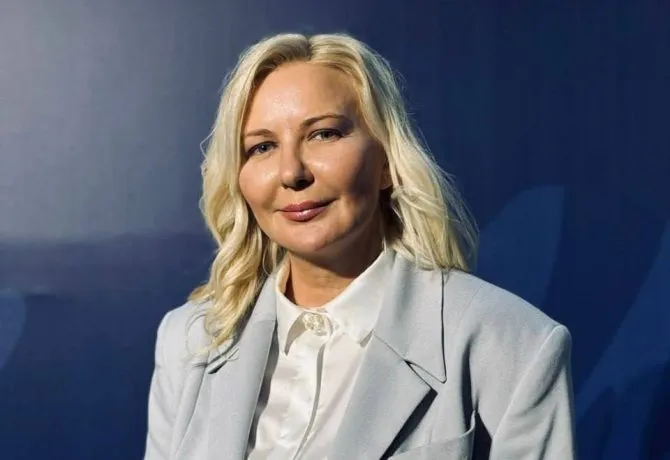
Olena Hrom was honored in the "Photographic Art" category for the photo project "Stolen Spring". This is the Taras Shevchenko National Prize of Ukraine — the country's highest creative distinction, established in 1961, awarded for a significant contribution to the development of culture and the arts.
"It is a great honor for me to receive the Shevchenko Prize. I'm still trying to grasp this moment and truly feel it. Yesterday during the ceremony I was probably more nervous than at any other time in my life. Because this truly matters to me. I am sincerely grateful to everyone who was by my side on this path, who supported and believed."
— Olena Hrom, photographer
What this means going forward
Recognition of the project at the national level amplifies its public resonance: the works gain greater chances for exhibition programs, archiving in museums, and attracting international attention. For the families of the victims and for the process of documenting war crimes, this is not only a symbolic gesture but a practical basis for preserving evidence and memory.
Now it's up to institutions: will this turn into a consistent policy of preservation and the institutionalization of testimony? The answer will determine how effectively art can support historical truth and societal recovery.