What happened
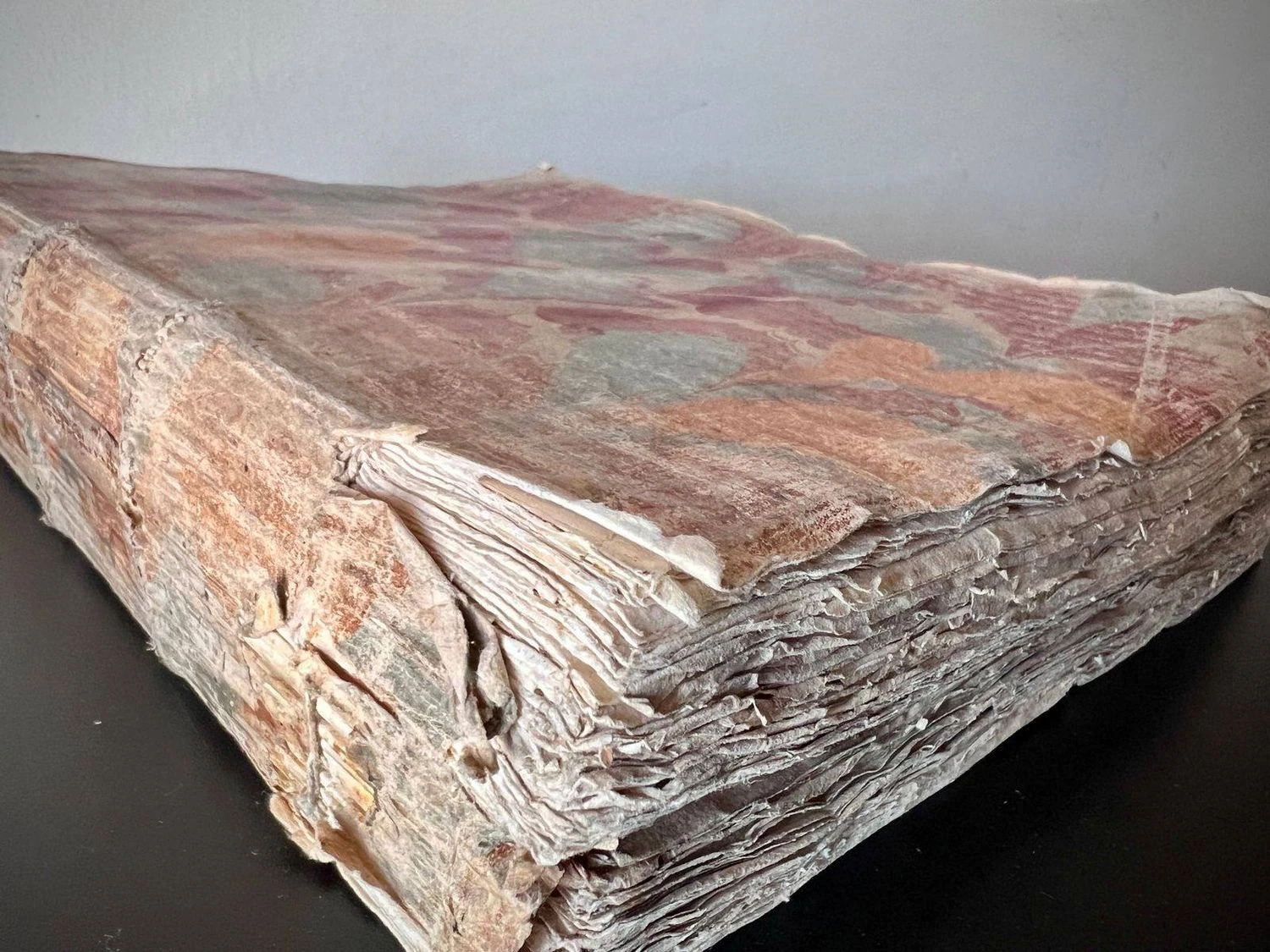
Kyiv customs officials stopped the illegal export of a Latin-language 18th-century book that was attempting to be sent abroad by mail without the proper permits. The second volume of the work by German naturalist Johann Georg Gmelin, published in 1749, with engravings and the academic text of the time, was transferred to the holdings of the Odesa National Scientific Library — the oldest public library in Ukraine (founded in 1829).
Why this matters
This story is not just about a single edition, but about the mechanism for protecting cultural heritage. According to the State Customs Service of Ukraine (source: UNN), the seizure took place during an inspection of a postal shipment to Ireland. Court rulings formalized the transfer of the book into state ownership, so the edition will remain in the library’s collections and will be available to scholars.
In the context of the war and an active antiquarian market, such an operation is part of systematic efforts to preserve national memory and scientific resources. For historians of science and cultural heritage specialists, access to authentic 18th-century sources has practical value: from restoration to new research projects.
"Our library, to whose holdings Johann Gmelin's book has been transferred, over nearly 200 years of its existence has accumulated more than 5.5 million documents, most of which are rare and unique. Now another little gem will be added to our collection."
— Iryna Biriukova, Director General of the Odesa National Scientific Library
Context and expert assessment
According to cultural and science historians, Gmelin belongs to the circle of natural philosophers of the European Enlightenment; his descriptions and illustrations are significant for the history of botany and ethnography. Researchers also note that such editions can shed light on the region’s cultural connections during the era of early imperial modernization.
What’s next
After transfer and registration in the holdings, the book will be kept under the library’s care and will be available for scholarly use. This case serves as a reminder of two things: first, the importance of controlling cultural assets during wartime; second, the role of state institutions in countering the illegal circulation of antiquities.
Sources: State Customs Service of Ukraine; UNN; comments from the leadership of the Odesa National Scientific Library.
After such cases, a practical question remains: how to make these sources as accessible as possible to Ukrainian and international researchers while preserving their security and integrity?







