First lessons: where and what took place
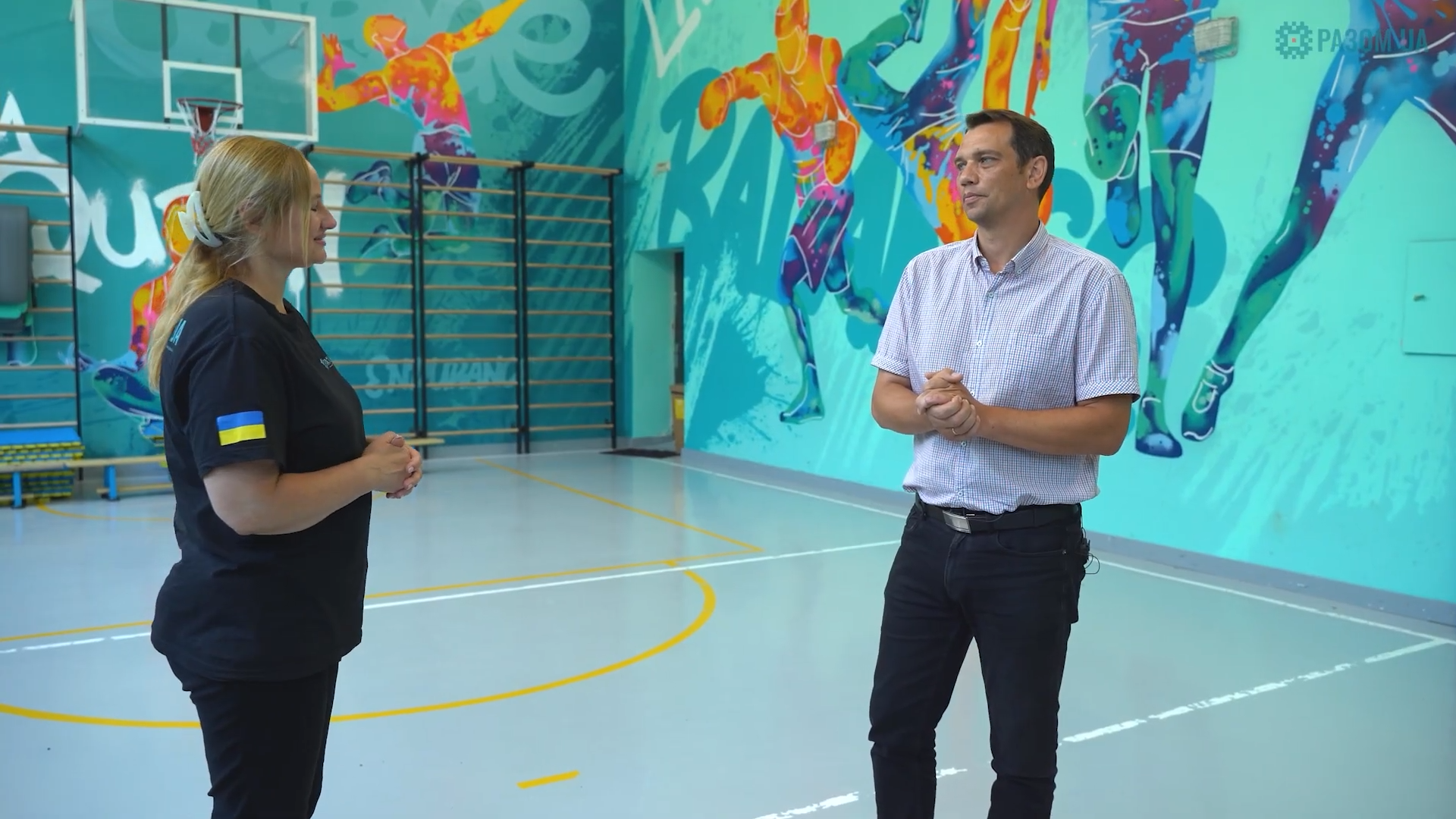
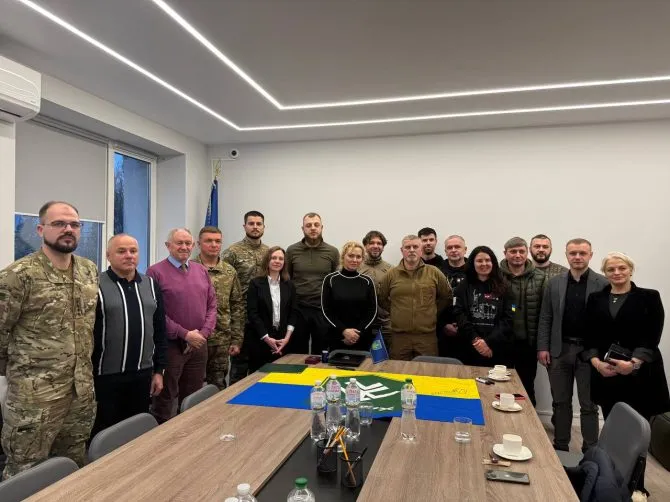
Under a memorandum of cooperation between the Irpin community and the unit of the National Guard of Ukraine «Khartiya», off-site lessons of the "Khartiya for Schools" program began this week. The first sessions took place at Irpin Lyceum No. 3 and Lyceum No. 2.
At Lyceum No. 3, fifth- and eighth-graders were introduced to the basics of cybersecurity, while senior students and members of the "Dzhura" movement watched a documentary about leadership followed by a discussion with military personnel. At Lyceum No. 2 the classes were interactive: the game "Drone Pilots", themed quizzes, and demonstrations of modern unmanned aerial vehicles. Students were especially interested in the robotic dog, which they had the chance to operate.
What the organizers say
"Today this is our main defense at the front, and in the future — these are the technologies that will help rebuild the country. The Irpin Department of Education is already preparing schedules of meetings for other schools. We teach children to be modern, brave and ready for any challenges. We work for the safety and conscious future of our children!"
— Anzhela Makeyeva, acting mayor of Irpin
Why this matters for the community
This is not just a demonstration of equipment. First, basic skills of cyber hygiene reduce the risks of information attacks at the local level. Second, practical lessons with drones create a future personnel reserve for technical units and enterprises that will take part in reconstruction. Third, open dialogue between the military and schoolchildren raises levels of trust and civic awareness — an important element of resilience during and after the war.
Format and prospects
The modular program foresees further deepening of topics: working with sensors, analysis of security cases, simulations of drone operations. The Irpin Department of Education is already preparing a schedule for other educational institutions in the community — this is the first step toward scaling the practice.
Conclusion
Such an initiative combines education, defense and technological development of the community. The next question is whether similar programs can become standard for other communities and whether they will receive sustained support from state and private partners. The answers will determine how quickly these skills translate into practical benefits for security and reconstruction.