Briefly
According to UNN, 16 countries and the European Union have announced that their official delegations will not attend the opening ceremony of the 2026 Paralympics. The reason is the admission of Russian and Belarusian athletes under their national flags. For Ukraine this is not only a moral stance: it is about preserving international unity in isolating the aggressor.
What diplomats say
"Australia and France have confirmed that their officials will not be present at the opening ceremony of the 2026 Paralympic Games — this is a principled decision as a sign of disagreement with the participation of Russia and Belarus under their national flags."
— official statements of the governments of Australia and France, reports UNN
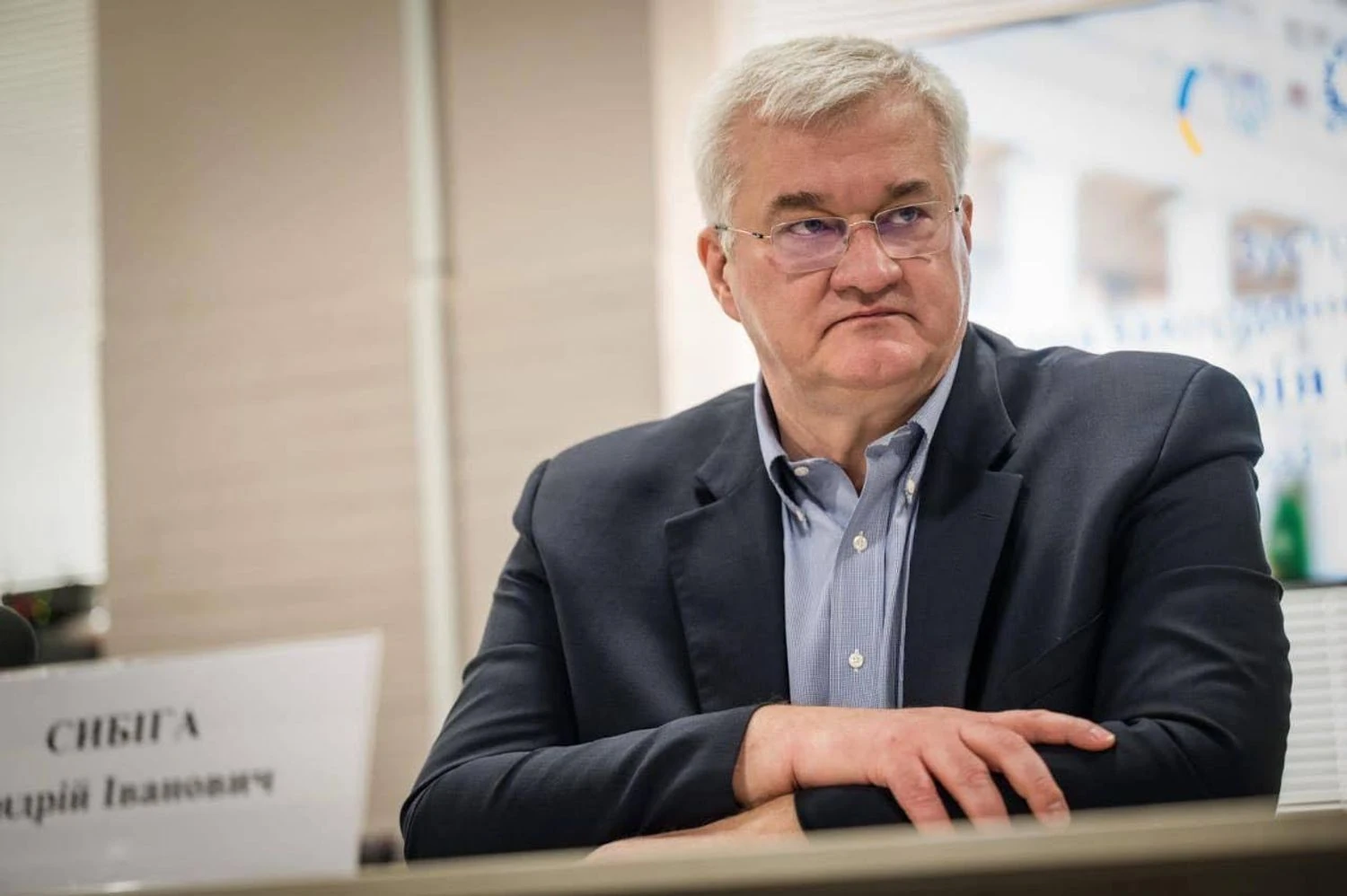
Head of Ukraine’s Ministry of Foreign Affairs Andriy Sybiha thanked partners for their solidarity and called the decision of the International Paralympic Committee (IPC) unacceptable:
"Allowing the display of Russian and Belarusian state symbols undermines international efforts to isolate these regimes in the face of Russia's ongoing aggressive war against Ukraine — and remains unacceptable."
— Andriy Sybiha, Minister of Foreign Affairs of Ukraine
Context and consequences
This decision is not merely an emotional reaction. It creates a diplomatic precedent: states are showing that participation under the national symbols of regimes that started a war carries reputational and political costs. At the same time, Ukraine has officially announced that its team of 25 para-athletes and 10 athlete guides will boycott the opening ceremony specifically.
The socio-political effect is this: allies are using the ceremony as a tool to pressure international institutions — to force them to rethink the balance between sporting inclusion and accountability for violations of international law.
What’s next
The question now is whether the symbolic boycott will turn into a long-term practice of influence — and whether it will compel the IPC to review its decision. Partners have already shown readiness for solidarity; the next step is whether it will be systematic and whether it will affect future international sporting formats.
For now it is a clear signal: sport does not exist outside politics when it comes to violations of sovereignty and international law. And this signal affects not only the organizers' reputation but also the tangible support for countries harmed by aggression.







