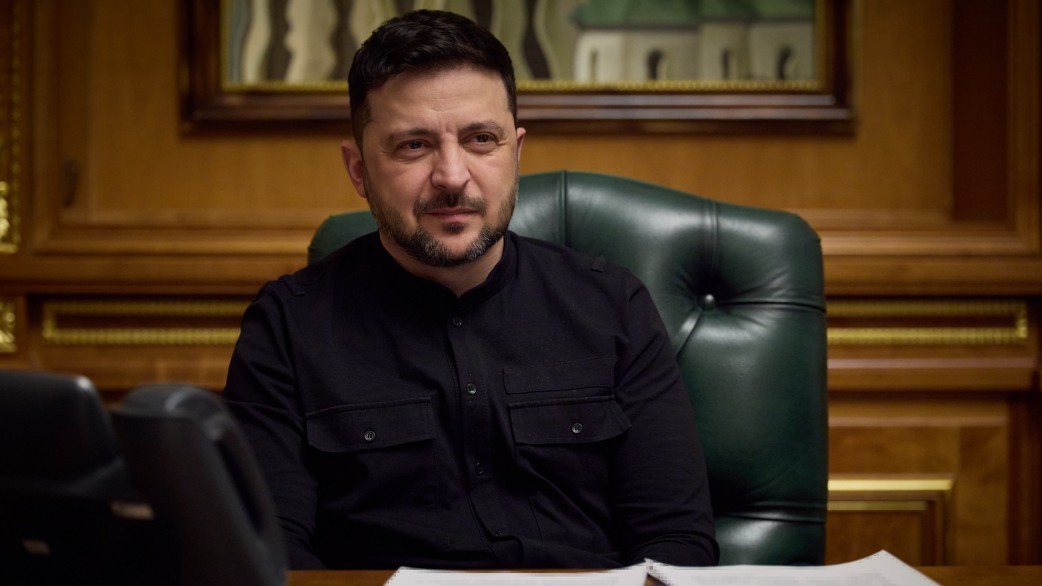
A quiet date with great significance
In an evening address, President Volodymyr Zelensky said that January 2 "will be an important day for Ukraine's domestic politics." He did not disclose details, but this announcement should be read through the prism of two trends: personnel reshuffles in the Office of the President and a recent investigation that reached the inner circle.
"Tomorrow will be an important day for Ukraine's domestic politics"
— Volodymyr Zelensky, President of Ukraine
Who was mentioned and why it matters
Earlier the president said he would announce a new head of the Office of the President at the start of the year and replacements for the heads of some regional administrations. In the list of names discussed on December 8 were: a deputy prime minister, head of the Ministry of Digital Transformation Mykhailo Fedorov, Minister of Defence Denys Shmyhal, head of the Main Intelligence Directorate Kyrylo Budanov, deputy head of the Office of the President Pavlo Palisa and first deputy foreign minister Serhii Kyslytsia. These are not official appointments — rather a list of possible options being discussed behind the scenes.
"There will be changes at the beginning of the year. Right at the start of the year."
— Volodymyr Zelensky, President of Ukraine
Context: investigation and resignation
On November 28 NABU conducted searches at the then-head of the Office of the President, Andriy Yermak. According to the Financial Times, these actions are linked to the "Midas" case in the energy sector. That same evening Yermak submitted his resignation, and the president accepted it. The digital and anti-corruption backdrop to the case makes any personnel decisions sensitive — both domestically and for Western partners.
What lies behind the decision and what the consequences may be
Experts and diplomatic sources point to three rationales for such a move: first, the need to stabilize managerial control during the war; second, a signal to international partners of readiness to respond to corruption risks; third, the internal political balance between teams responsible for security, digitalization and foreign policy.
If the decision is well considered and transparent, it will strengthen trust in the leadership; if negotiations remain closed and unexplained, it may amplify criticism and speculation. Therefore, it is not so much the fact of reshuffles that matters as the mechanics of how they are made and communicated to the public and partners.
Brief forecast
January 2 will not necessarily answer all questions, but it will be an indicator of approach — whether the authorities are betting on a reboot through transparent procedures or on private agreements. The next move is the president's: will the announcements turn into concrete personnel steps that strengthen state governance in wartime?





