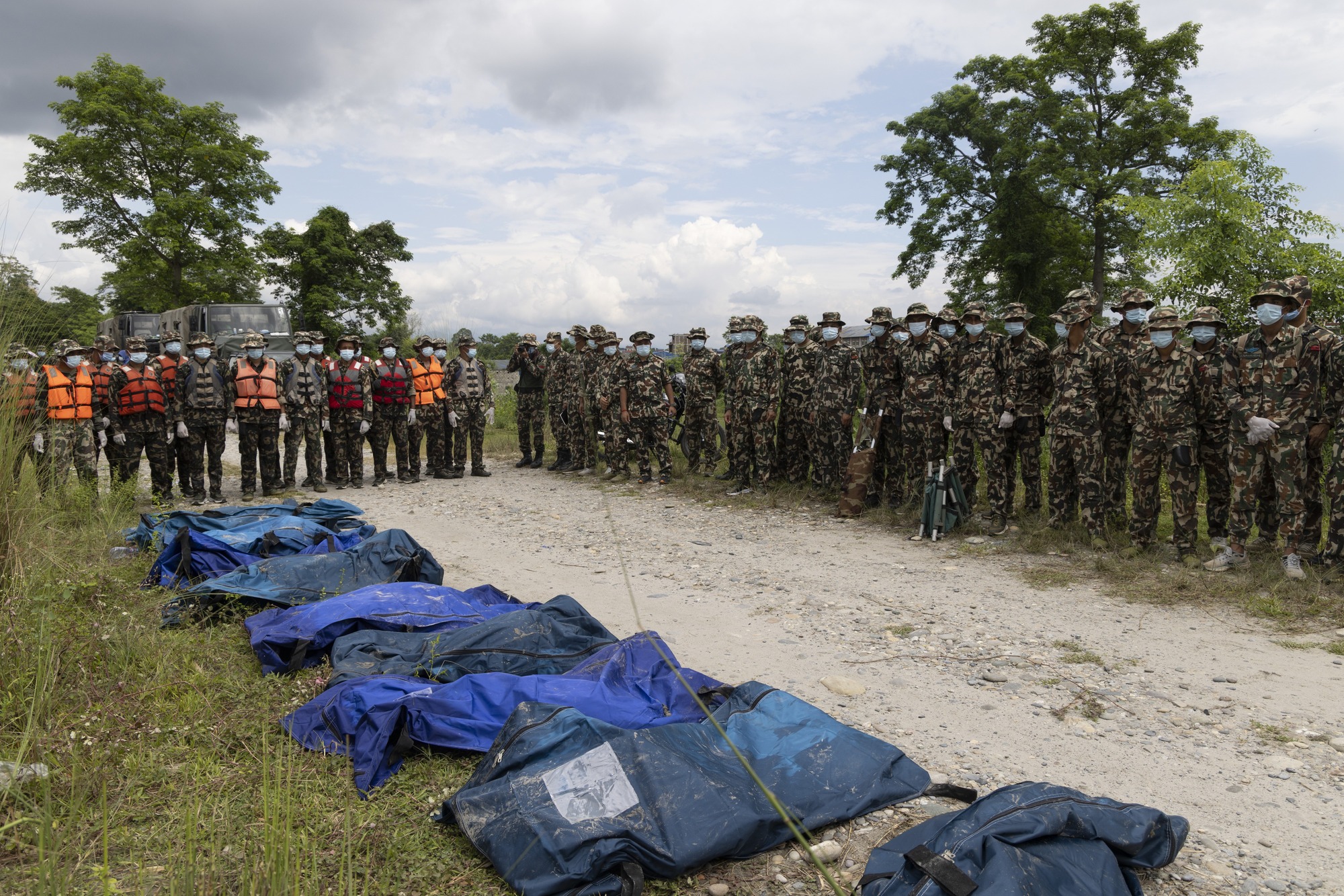
For the sixth consecutive day, rescuers in Nepal are searching for 56 Ukrainians who went missing after powerful floods on the border with Tibet. The death toll in the region has already exceeded 900 people, and nearly 4,700 more are listed as missing — and these figures have not yet begun to decrease.
Why Ukrainians ended up there
Mount Kailash and Lake Mansarovar are not an ordinary tourist destination. This is one of Asia's most revered spiritual routes, where Hindu and Buddhist pilgrims travel, as well as mountaineers and hard trekking enthusiasts. Over the past decade, this route has also gained popularity among Ukrainians seeking extreme or spiritual experiences beyond well-trodden tourist paths.
The high concentration of foreign travelers in this remote high-mountain area explains why dozens of Ukrainian citizens ended up among the missing — these are not individual tourists, but participants in organized groups who were traveling the same route at the moment of the catastrophe.
What is actually happening on the ground now
The Foreign Ministry emphasizes: no Ukrainians are on the lists of those killed or injured. But this does not mean good news — it means that people have not been found at all yet, neither alive nor dead.
The search operation has turned into a "carpet" sweep of the terrain: over 2,000 rescuers from both sides of the border — Chinese and Nepalese — are surveying the area on land, from the air, and on water. They are using dogs and devices to detect signs of life. Personal belongings of the missing are being found at the sites — this is both a clue and, at the same time, an alarming signal about the scale of destruction.
The situation is complicated by the risk of repeated landslides — meaning rescuers are working in an area that could collapse again.
Technology instead of hope
On August 30, the Ukrainian embassy in India reached an agreement with the Nepalese side for access to geolocation data from devices that the missing Ukrainians had with them. This is a practical step: if phones or trackers retained their last signal, the data could narrow the search zone to specific sections of mountainous terrain, rather than thousands of square kilometers.
According to preliminary data, the catastrophe was caused by an earthquake and an avalanche of ice on the Lende Hola River on August 26 — a combination that left rescuers little time to react.
What comes next
The sixth day without changes in the list of missing — this is a critical milestone: the longer a person remains missing in mountainous terrain with the risk of repeated landslides, the fewer the chances of rescue rather than finding a body. The question that remains open: will the geolocation data from the devices yield concrete results in the coming days, or will the search transition to a stage where the Foreign Ministry will have to deliver entirely different news to families.