Briefly
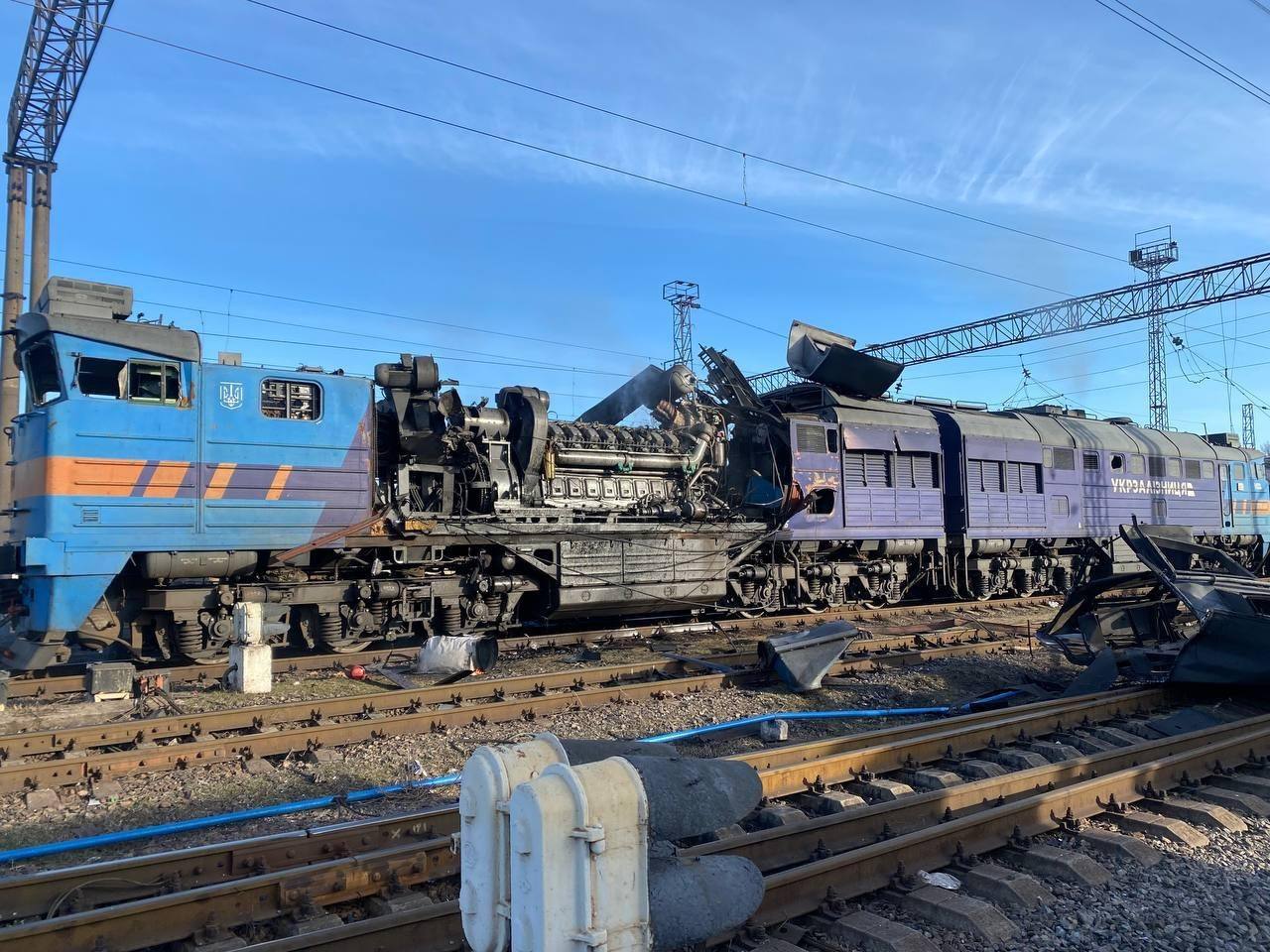
War is not only about heroism, but also about logistics. In the night of February 22, Russian strikes affected railway infrastructure in several regions of Ukraine. Train traffic did not stop completely, but a significant portion of routes has been temporarily rerouted — this affects passengers, freight chains and the work of repair crews.
What happened
According to official reports, attacks were recorded in the Donetsk, Mykolaiv, Odesa and Zaporizhzhia regions; locomotives and other infrastructure assets were damaged. In Kyiv region a number of trains are operating on altered routes, and in Kherson region traffic is being organised taking the security situation into account.
"The Russian army on the night of February 22 attacked railway infrastructure in several regions"
— Oleksii Kuleba, Minister of Community Development
Summaries indicate that the massive attack involved about , with strikes recorded on 14 facilities. Among the affected sites is a Mondelez plant in Sumy region (producer of the Milka, Oreo and other brands).
How routes were changed and what passengers should do
Ukrzaliznytsia reported schedule adjustments: some services have been temporarily redirected and bus shuttles organised on certain routes. For example, passengers heading to Kramatorsk are being transported by bus; traffic between Zaporizhzhia and Dnipro is partially being served by buses.
"Train traffic did not stop, however some routes have been changed — monitoring teams and repair crews are working"
— Ukrzaliznytsia
Regional expresses from Izium are running to schedule, whereas in Sumy and Chernihiv regions regional trains are temporarily operating to/from Konotop. Passengers are advised to check the status of their service on the Ukrzaliznytsia website and to allow extra time for travel.
Consequences for logistics and security
Targeted strikes on railways have several effects: they delay evacuations and the movement of people, complicate freight deliveries and create additional pressure on repair services. Experts note that such attacks are part of a strategy aimed at weakening the country's mobility and logistical resilience.
What services are doing and what to expect next
Relevant services and repair crews are already working to eliminate the consequences; Ukrzaliznytsia's monitoring teams are operating in an enhanced mode. At the same time, the situation highlights the need for rapid restoration of rolling stock, strengthened protection of critical nodes and coordination with partners on the supply of spare parts and technical assistance.
Conclusion. A strike on the railway is not only about damaged tracks or locomotives, but about a temporary restriction of the movement of people and goods that requires a swift response from state services and partners. Whether timetables can be fully restored and the impact on businesses and citizens minimised depends on the pace of repairs, adaptation of logistics and ensuring security on key sections.





