Briefly: attacks, reaction, priority — avoid escalation
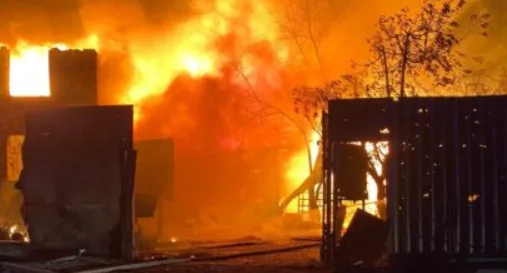
On March 5 Iran carried out a drone strike on Azerbaijani territory, local media and LIGA.net report. Damage was recorded near an airport and a school; two people were injured. Baku condemned the strikes, calling them unacceptable, but at the same time publicly called for restraint and a return to diplomacy.
- March 5 — drone attack, strikes near an airport and a school.
- The President of Azerbaijan called the attack "vile," but said that Baku will not join operations against Tehran.
- March 7 — official statements about alleged foiling of terrorist attacks in the country (the targets were said to include a synagogue, an oil pipeline and an embassy).
"Azerbaijan does not want war, but reserves the right to defend itself... Foreign policy is based on the principles of mutual respect, sovereignty, territorial integrity and non‑interference in the internal affairs of other countries."
— Yunis Gurbanov, senior advisor at the Center of Analysis of International Relations (AIR Center), in a comment to LIGA.net
Why the most likely scenario is a limited response, not a full-scale war
Analysts agree that in the short term Baku is interested in de-escalation. The reasons are obvious: to protect the civilian population and borders, to preserve critical infrastructure and transit routes, and to avoid an open conflict with Iran, which could quickly turn into a regional crisis.
Moreover, Azerbaijan has a complex network of bilateral relations — with Turkey, Russia, the South Caucasus countries and neighbors to the south. Public restraint allows Baku to preserve space for diplomatic maneuvering and international support, without losing the right to self-defense.
"The most desirable scenario is de-escalation through dialogue, restraint and respect for sovereignty. Otherwise, energy and trade routes will suffer, and pressure on food security and migration flows will increase."
— Yunis Gurbanov, AIR Center
What other experts say
Vadym Denysenko, head of the analytical center "Dilova Stolytsia", emphasizes: Iran is interested in avoiding a ground operation because it poses the greatest threat to the regime itself. This adds logic to the caution of neighboring states and explains why escalation may remain localized.
"Iran is doing everything it can to prevent a ground operation from any side — for it, this is the most likely source of serious internal risks."
— Vadym Denysenko, head of the analytical center "Dilova Stolytsia"
Consequences for the region and for Ukraine
Even a limited response by Baku will have tangible consequences: security risks in neighboring countries will increase, nervousness on energy and transit markets will rise, and pressure on confidence in logistics chains may grow. The Organization of Turkic States has already warned of potential disruptions to energy markets and trade routes during prolonged instability.
For Ukraine, this means it is necessary to closely monitor events in the South Caucasus: even local disruptions to energy flows or transit can indirectly affect the energy security and logistics of our partners.
Conclusion — a pragmatic forecast
The most realistic scenario today is a limited response without escalation into a full-scale war. Diplomacy and international pressure can restrain escalation, but risks to energy routes and trade remain. Whether these diplomatic efforts will translate into real security guarantees is a question that our strategic partners and Ukraine should pay attention to.