Ukraine faces a shortfall of funds. The EU wants to use frozen Russian state assets to provide the country with a loan. German Chancellor Friedrich Merz also supports this. However Belgium, where the money is held, still opposes it.
In Berlin, federal chancellor Friedrich Merz is battling young rebels in his Bundestag parliamentary group, while in the European Union it is the Belgian government that is creating problems for him.
For months the chancellor has insisted on a plan to use frozen Russian assets in the EU via workarounds to provide financial support to Ukraine. However, at the last EU summit no political agreement was reached, mainly due to Belgium's refusal. The country's consent is crucial to the plan, since the assets are held at the Belgian financial institution Euroclear. An agreement must be reached before the EU summit on December 19.
Position of Belgium's prime minister
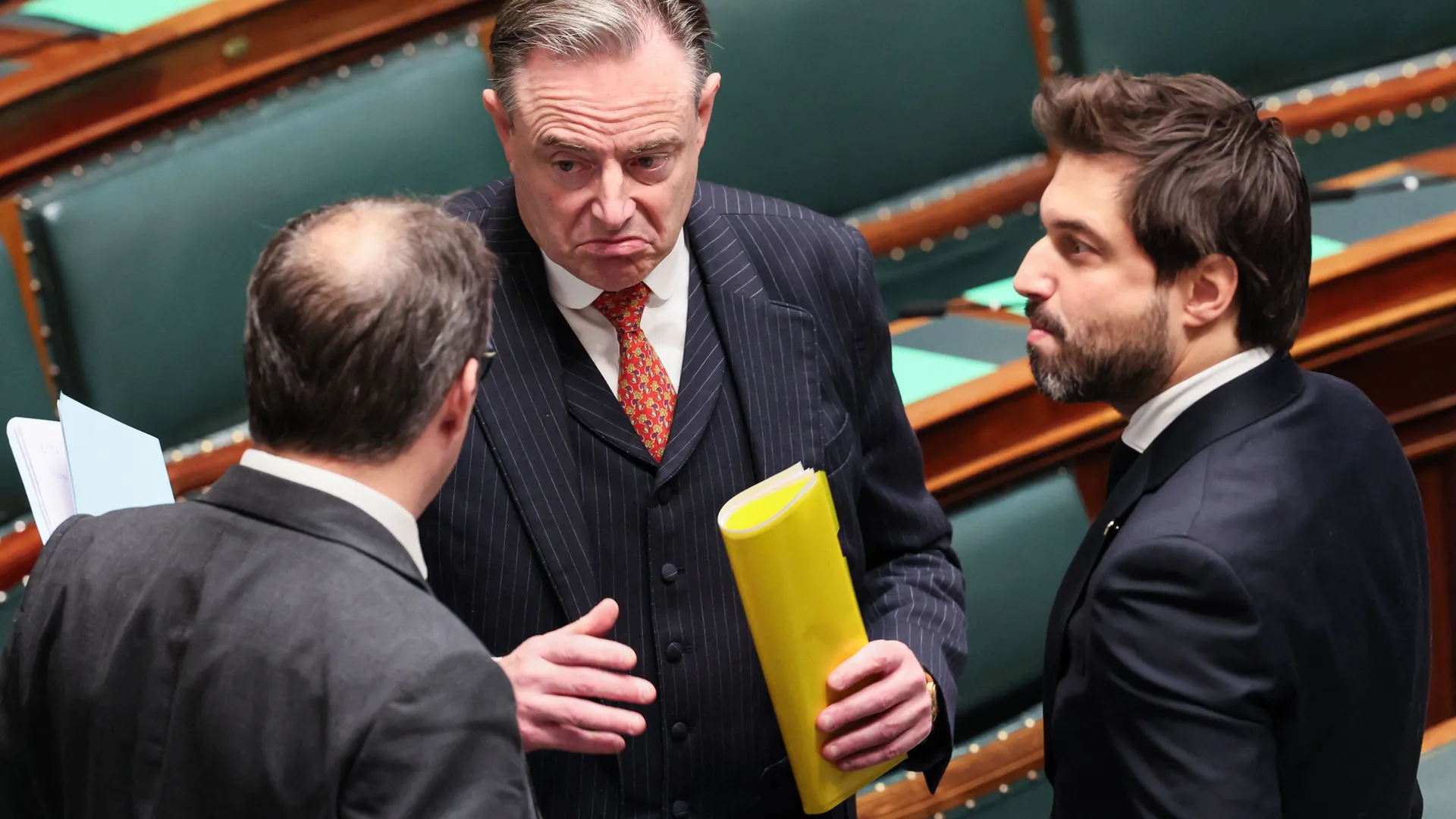
Whether this will succeed is not yet known. Belgium's prime minister Bart De Wever again reiterated his refusal in a letter to European Commission President Ursula von der Leyen. According to him, the EU plan could jeopardize a possible peace agreement.
The EU plan envisages granting Ukraine a loan using Russian funds of up to 140 billion euros. Russia would get the money back only if, after the end of its aggressive war against Ukraine, it makes reparations payments. Ukraine urgently needs further financial support.
Arguments against the plan
However, Belgian De Wever remains unconvinced.
"Hurriedly pushing forward the proposed reparations loan will have, as a side effect, that we as the EU will effectively prevent the achievement of a possible peace agreement. The proposed reparations loan, in my view, is fundamentally wrong."
– he wrote in his strongly worded letter.
The Financial Times first reported on the letter.
In the past, De Wever says, immobilized assets were never touched during a war; they were the subject of post-war arrangements. He also warned again that an arbitration court could view the use of frozen Russian funds as an unlawful expropriation, and international investors might lose confidence in the European financial market.
Merz's support
Chancellor Merz on Friday once again called for the use of the frozen assets.
"We want to move forward here as a sign of strength and as a lever to actually bring Moscow to the negotiating table."
– he said.
European Commission's reaction
The European Commission plans to present a legislative proposal soon to dispel Belgium's concerns. According to an EU spokesperson, "intensive talks" are underway on using frozen Russian assets to finance Ukraine. They also include Belgium.
Suspicions regarding Belgium's motives
According to Politico, diplomats from various European countries suspect that Belgium is pursuing hidden self-interests. The country is currently receiving tax revenue from the frozen Russian assets. Reportedly, diplomats point out that Belgium breached an international promise made last year to disclose the use of the tax proceeds. Belgium denies the accusations.
The country is experiencing a budget crisis. Because of a dispute over spending cuts, the governing coalition recently almost collapsed.