What happened
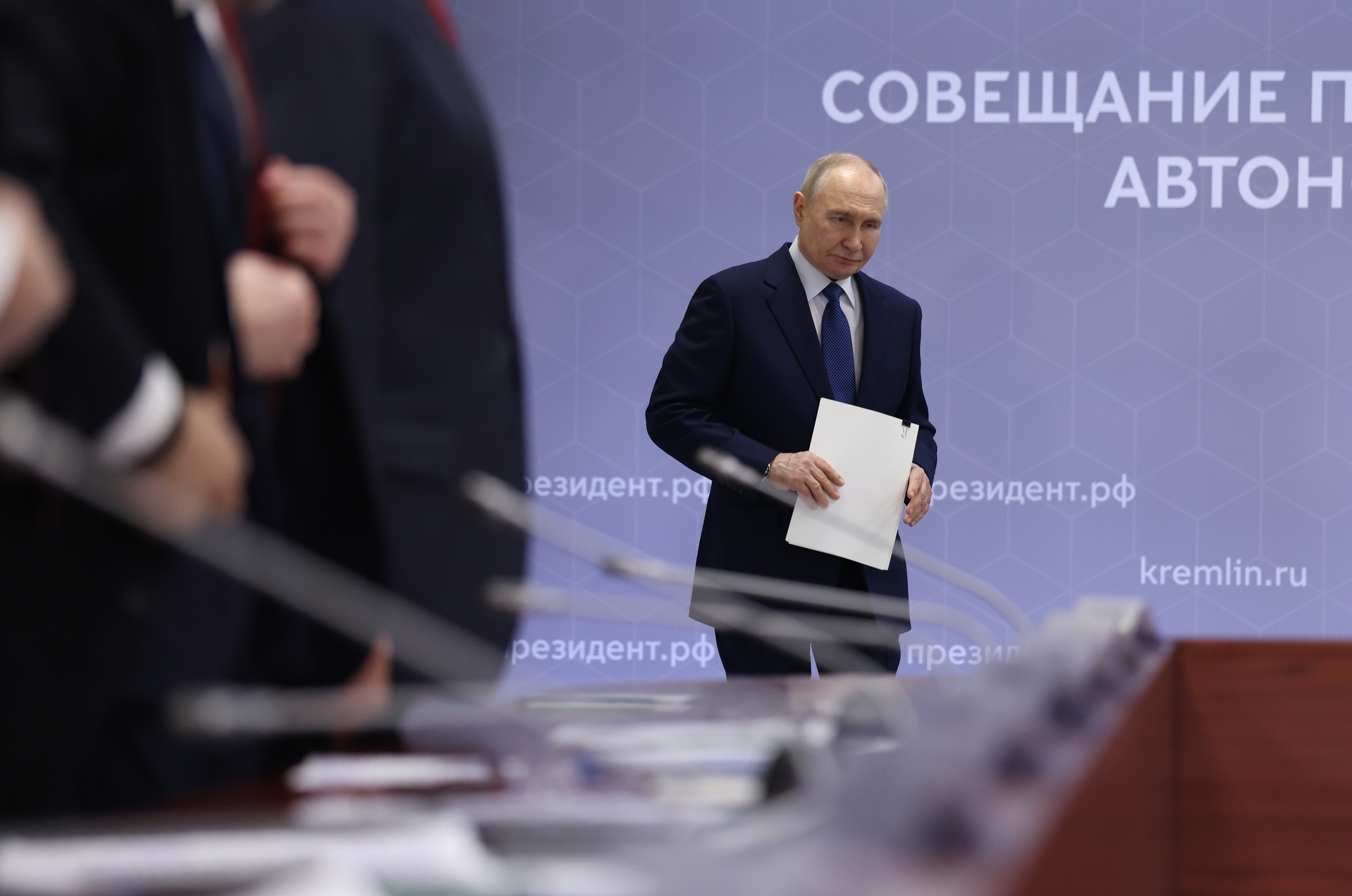
The Bloomberg agency reported that in early January Russian President Vladimir Putin received a draft peace plan that had been agreed by Ukraine and European partners. The document, the outlet said, was delivered to Moscow unofficially through Kirill Dmitriev — director of the Russian Direct Investment Fund and Russia's representative in talks with the United States.
"The Kremlin regarded this proposal as a significant 'step forward,' although it did not lead to a final agreement."
— Bloomberg, unnamed sources
Dmitriev's role and the Kremlin's logic
Passing the plan through Dmitriev gives Moscow several practical advantages: time to prepare comments, the ability to control the narrative through propaganda, and the chance to formally show willingness to engage in dialogue without making immediate commitments. Bloomberg reported that this also aims to prepare the ground for a visit to Moscow by U.S. special representative Steve Witkoff and Jared Kushner.
Why the Kremlin called it a "step forward" — and what's missing in the document
According to the outlet, the Kremlin viewed the very inclusion of certain topics and the start of work on them as positive. At the same time, the draft contained many points that were either entirely missing or worded in ways Moscow finds unsatisfactory. That means the document is more a working basis for negotiations than a final compromise.
Context: Witkoff, Kushner and the timeframe
Bloomberg emphasizes that the draft was to be reviewed ahead of the expected visit by Witkoff and Kushner to Moscow — a step that could affect the structure of the negotiation process. Russian interlocutors told the outlet they believe Kushner's involvement helped "structure" the discussions, but the format and substance of final agreements remain a matter of bargaining.
What this means for Ukraine
The fact the draft was handed over has two important implications for Ukraine: first, it shows partners are working on the frameworks for talks; second, Moscow gained time either to adapt its position or to use the process as an instrument of pressure. For Kyiv, the key task is to turn working documents into legally binding guarantees and to retain control over the conditions for reconstruction.
Practical conclusion: the document itself is not an agreement. The partners' task now is to convert the understandings from a "working draft" into clear, signed mechanisms of guarantees and reconstruction that protect Ukraine's security and sovereignty.
What to watch next
Close attention should be paid to two things: whether concrete amendments from Moscow appear, and whether the negotiation frameworks turn into signed guarantees. The answer to both questions will determine whether this "step forward" was real progress or a tactical pause by the Kremlin.
The ball is now in the partners' court: declarations must be turned into signed contracts — and that will decide whether the document shifts the real balance of security in Ukraine's favor.





