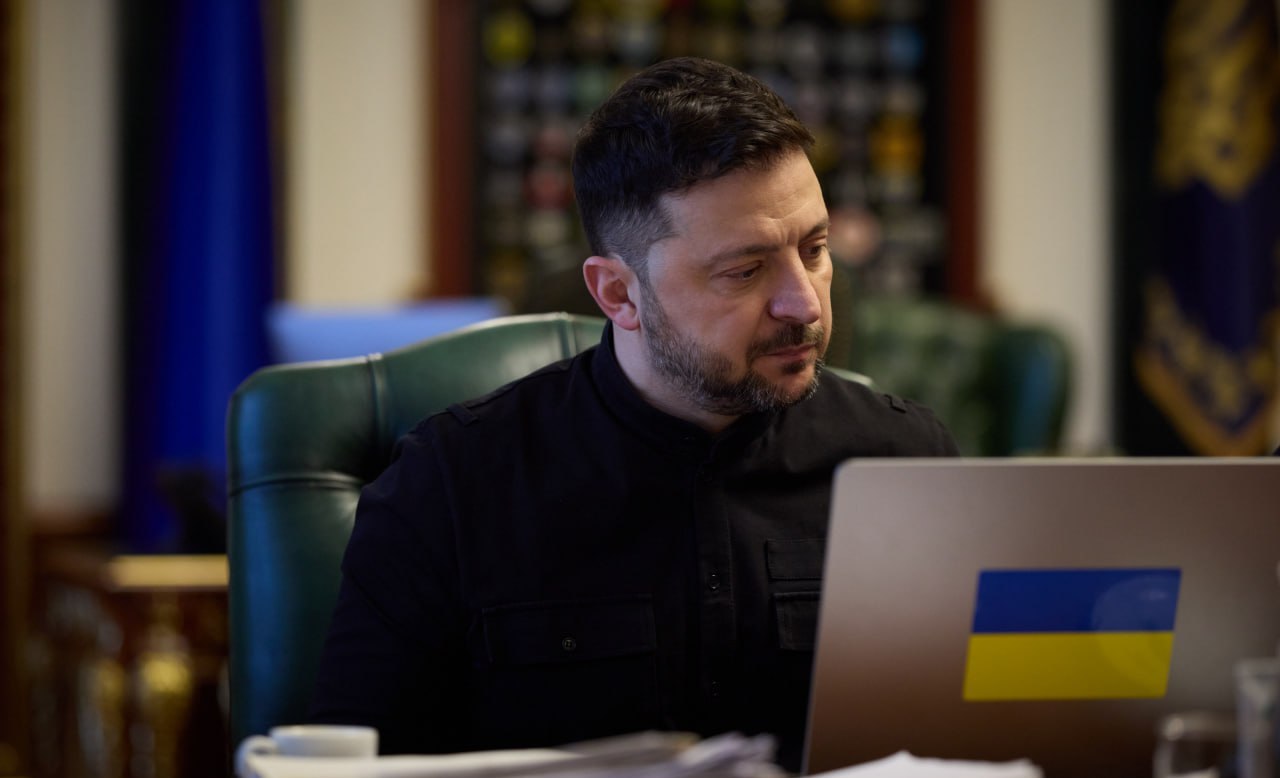
Position of the Office of the President and timeline
On January 2, Volodymyr Zelenskyy signed a series of decrees published on the Office of the President's website. Decree No. 3/2026 dismissed Kyrylo Budanov from the post of head of the Main Directorate of Intelligence (GUR), which he had led since August 2020; Decree No. 5/2026 appointed him head of the Office of the President. At the same time, Decree No. 6/2026 relieved Oleg Ivashchenko of the post of head of the Foreign Intelligence Service (SZR), and Decree No. 7/2026 appointed him head of military intelligence (GUR).
As of the evening of January 2, a decree appointing a new head of the SZR had not yet been published. Separately, the president instructed the Minister of Internal Affairs to find a replacement for the head of the State Border Guard Service, Serhii Deineko; after his dismissal he will remain working within the Ministry of Internal Affairs.
Why this matters
These reshuffles are not just personnel rotations. Essentially, this is a transfer of practical control over intelligence expertise closer to the administrative center where decisions are made. The concentration of Budanov's experience in the Office of the President could speed up operational coordination between the political leadership and the security sector, but at the same time raises questions about the division of operational functions between agencies.
Ivashchenko's move from the SZR to the GUR leaves the question of foreign intelligence open — the temporary absence of a head could complicate work with partners and the collection of strategic information. Analysts note that the period of leadership replacement is precisely the time when continuity of processes and clear procedures for the transfer of authority are vital.
"This is not just a reshuffle on paper — it is a step toward closer attachment of intelligence to operational decision-making. It is important that the replacement does not create a vacuum in foreign intelligence work, which is critical for international cooperation."
— RazomUA, editor-in-chief
Consequences and forecast
Short-term: there may be a need for an operational redistribution of powers and an expedited appointment of a new head of the SZR to avoid losses in the information space and in communications with partners. Medium-term: if the new configuration works effectively, it could increase the speed of decision-making and the synchronization of security policy.
Ukraine's partners and the expert community will closely monitor further appointments and personnel policy in intelligence. Now the ball is in the appointment of a new head of the SZR and in how the Ministry of Internal Affairs carries out the search for a replacement for Deineko — these steps will show whether the initiative works in practice.
What readers should know
Transferring experienced intelligence officers to key positions is a tool for increasing efficiency, but only if there is a clear transfer of authority and transparent coordination with the armed forces and partners. Watch for official statements from the Office of the President and the Ministry of Internal Affairs: the next decrees will determine whether these reshuffles will deliver the desired effect for the country's security.