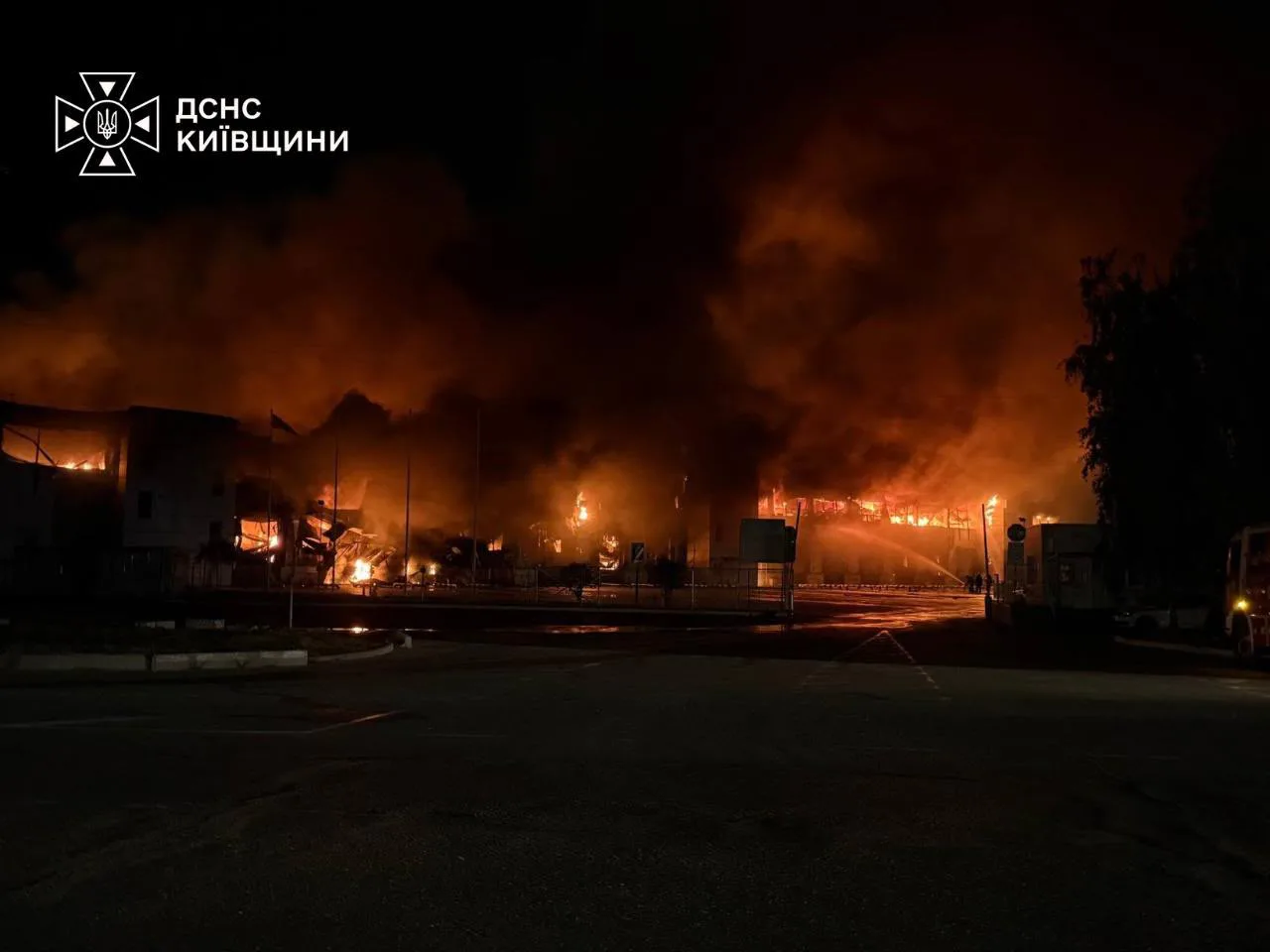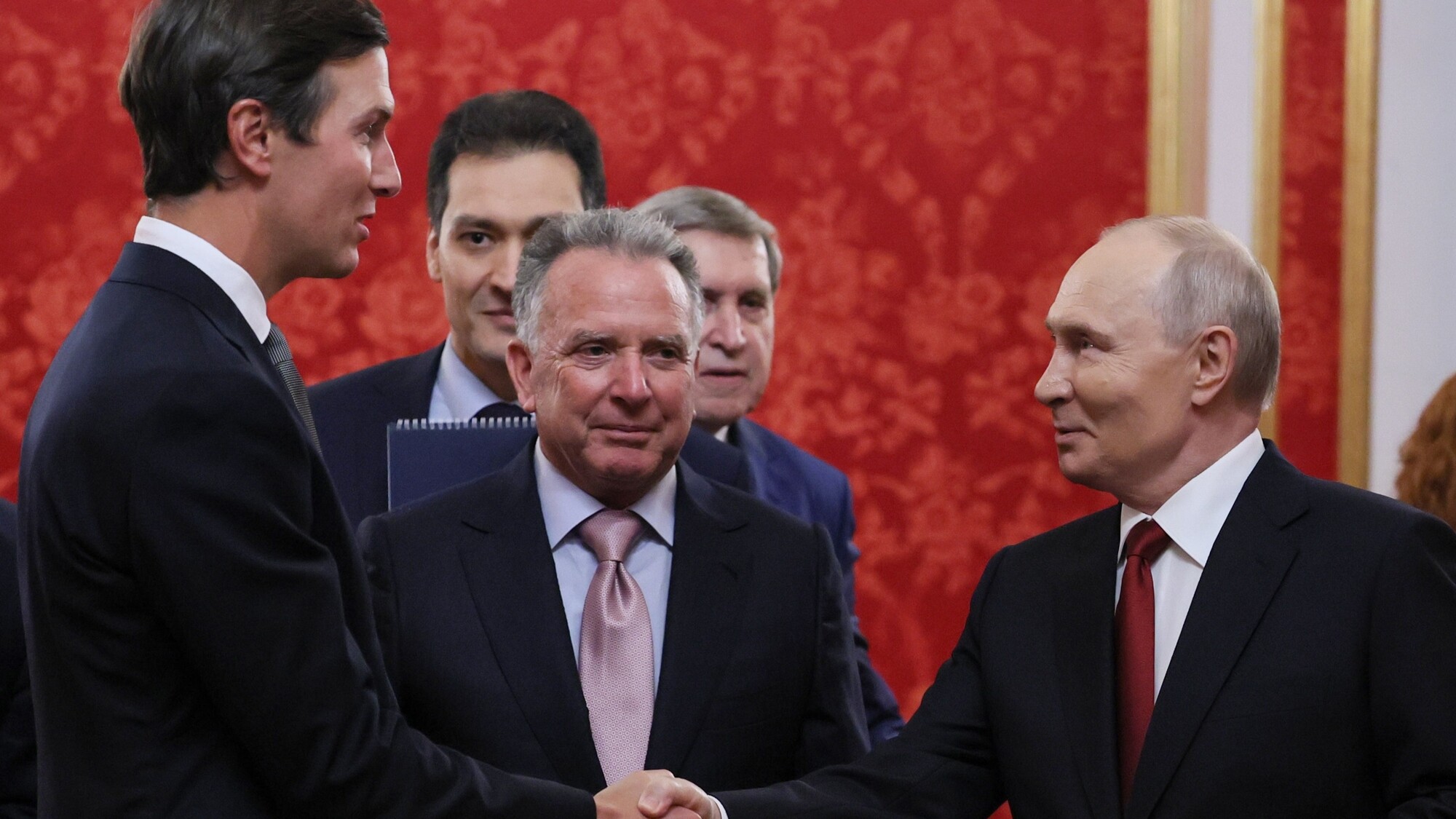
For millions of Ukrainians who will once again be counting hours with and without electricity this winter, a word from the Kremlin sounds abstract. "Substantive" — that's how Putin's aide Yuri Ushakov described in a TASS comment the conversation between dictator Vladimir Putin and Donald Trump's special representatives Steve Witkoff and Jared Kushner, echoed by a White House official speaking to Reuters. Behind this assessment lies more than three hours of negotiations, after which no document emerged, only promises.
What was said — and what wasn't
According to Ushakov, Trump's negotiators "promised to take into account" Putin's assessments on settlement paths in talks in Kyiv. This phrasing contains no commitment whatsoever: taking into account a position does not mean accepting it or even officially voicing it to partners. Putin's aide also repeated that the dictator emphasized the "need to eliminate the root causes of the Ukrainian conflict" — a rhetorical construction the Kremlin has been using for over three years, essentially demanding Kyiv's capitulation.
From the American side, the tone is more cautious, but equally vague: "The parties discussed concrete plans regarding next steps, which will be announced in the coming weeks," stated a Trump administration official. "Coming weeks" in diplomatic language often means "when it becomes politically convenient" — and this is not the first such announcement in a year of negotiations.
Who was in the room
The composition of the delegation suggests the conversation went beyond purely military settlement. Axios, citing a White House source, reports that the meeting also included officials from the U.S. National Security Council, State Department, and Treasury Department, including Jean Lange, acting head of the sanctions division at the U.S. Treasury. The presence of a sanctions official signals that questions about lifting or easing restrictions, not just the front line, may be on the table.
Ushakov confirmed this scope directly: negotiations focused not only on Ukraine — the parties discussed possible major deals with Washington. In other words, Moscow views the Ukrainian issue as part of a broader bargain with the U.S., where the front is just one of the variables.
Verification mechanism: three days of silence
The only thing from these negotiations that can be measured in the near term is not a declaration of "substantiveness," but a concrete pause in strikes. Kremlin spokesman Peskov said Putin ordered that from midnight on September 6 and for three days, strikes on Kyiv would not occur. Zelenskyy confirmed that the AFU are ready not to strike Moscow for three days, and expects Russia to observe a mirror condition regarding Kyiv.
This is the first time in a long while that a promise has clear time parameters and public mirror confirmation from both sides — and thus the ability to record violations without interpretations. If strikes on Kyiv or Moscow occur within these three days, it will become clear how different the word "agreed" is from the word "complied."
Context that makes the pause matter
Negotiations about ending the war gained urgency just before winter, when Ukraine may once again face massive strikes on energy infrastructure and a shortage of Patriot air defense missiles. At the start of his meeting with the American delegation, Putin himself called the situation the parties would discuss "complex" — a rare acknowledgment of difficulty from someone who usually speaks about negotiations in a victorious tone.
The next stop is Kyiv, where Witkoff and Kushner are going immediately after Moscow, hoping for "equally productive meetings." If the Ukrainian side hears the same formulations about "taking into account Putin's assessments" without specifics on territories, prisoner exchanges, or security guarantees, the difference between "substantive" and "effective" will become even clearer. The question for the next three days is simple: will the pause in strikes last longer than the press releases about it?