Briefly — why this matters to Ukraine
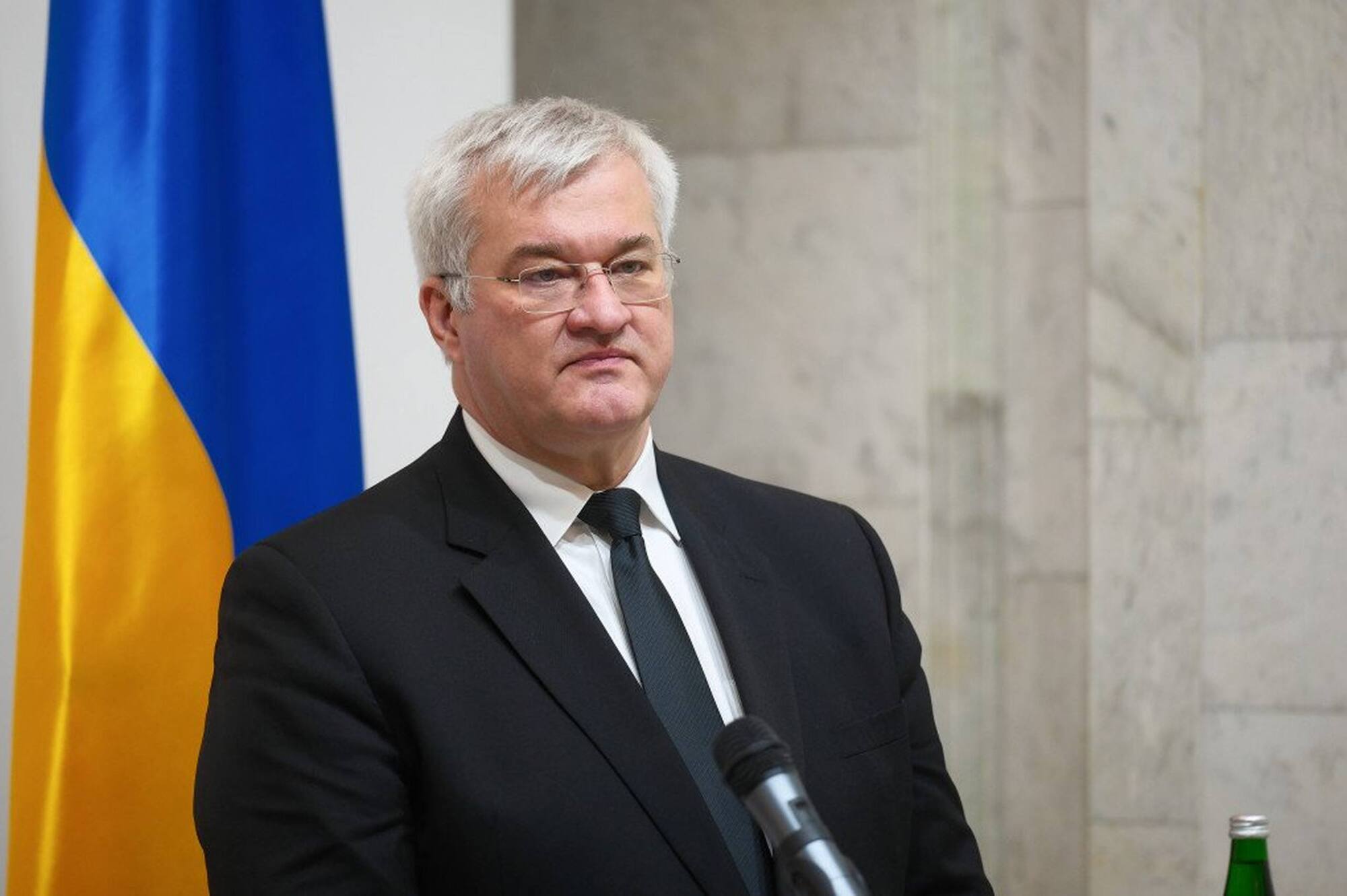
In Munich, Foreign Minister Andriy Sybiha said directly what matters to every citizen: taking part in negotiations is an instrument to end the war, even if there is currently no compromise between the parties. He told this to a LIGA.net correspondent during the Munich Security Conference.
"We need to end the war. Ukraine wants to end the war. We must, together — and we are now at a moment — bring a just and lasting peace closer for Ukraine"
— Andriy Sybiha, Minister of Foreign Affairs of Ukraine
What is already happening — facts from Abu Dhabi
According to Sybiha, after two rounds of negotiations in Abu Dhabi between the delegations of Ukraine, the United States and Russia, "progress has been made." These are concrete steps that already have practical effect: agreements on prisoner exchanges and discussions of mechanisms for implementing a ceasefire and its monitoring.
The next round with the participation of the three parties is scheduled for 17–18 February in Geneva.
Why Kyiv is not leaving the negotiating table
The decision to participate in negotiations is not a sign of weakness, but a strategic preservation of levers of influence. Diplomacy provides several practical advantages: it allows for the release of prisoners, consolidates agreements on a ceasefire regime, creates legal and political frameworks for further steps, and keeps international partners informed and involved.
Analysts and security experts point out that even limited but documented progress on exchanges and monitoring already reduces risks for the civilian population and provides additional arguments to pressure the aggressor.
Mandates and expectations
Sybiha emphasized that the negotiating teams have clear mandates and directives — they know where the line of national interest lies. This removes the risk of improvisation and allows diplomatic contacts to be converted into measurable results.
What comes next — a simple criterion of effectiveness
Declarations and meetings are important, but the criterion of effectiveness remains concrete steps: prisoner exchanges, mechanisms for monitoring a ceasefire, and partners' readiness to transform political signals into practical support. Now it's up to the partners — to move from words to guarantees and instruments that will make the negotiations not just an act of diplomacy, but a path to security for Ukraine.







