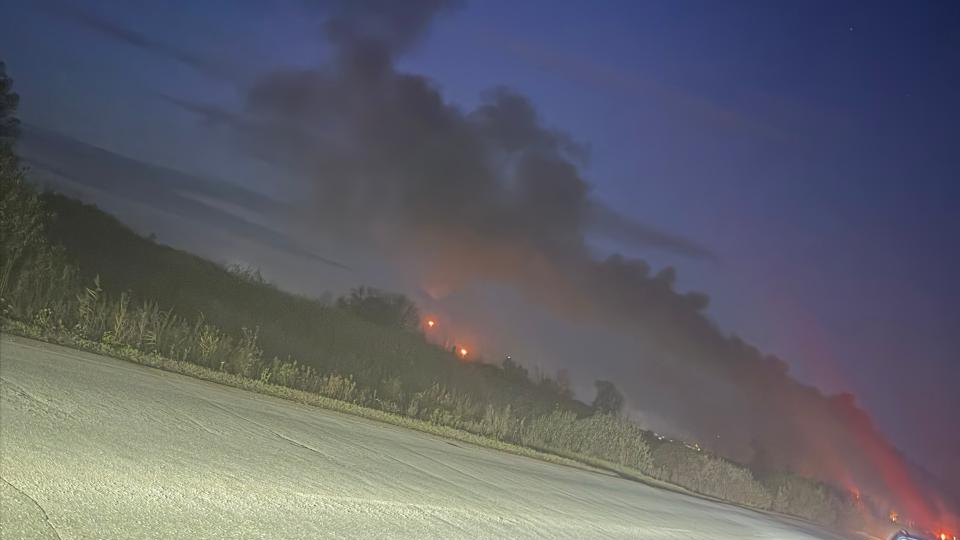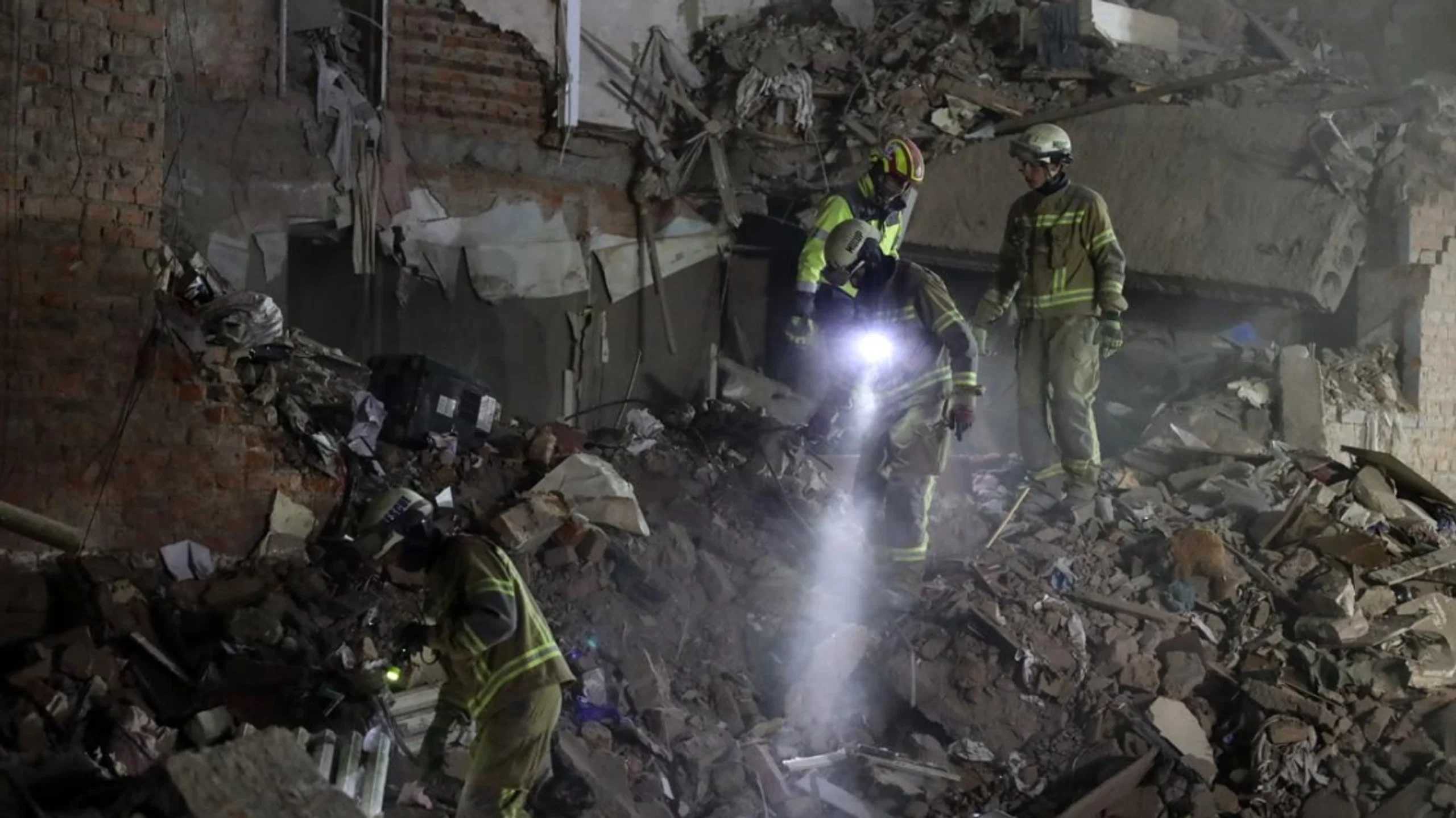
The story began with the death of 28-year-old Daria Shipilova. She died on October 2; she worked at the Irkutsk Anti-Plague Institute. Russian media reported that the woman may have contracted pneumonic plague right in the laboratory. That is a media version, not an official conclusion. The Russian authorities officially deny a plague outbreak.
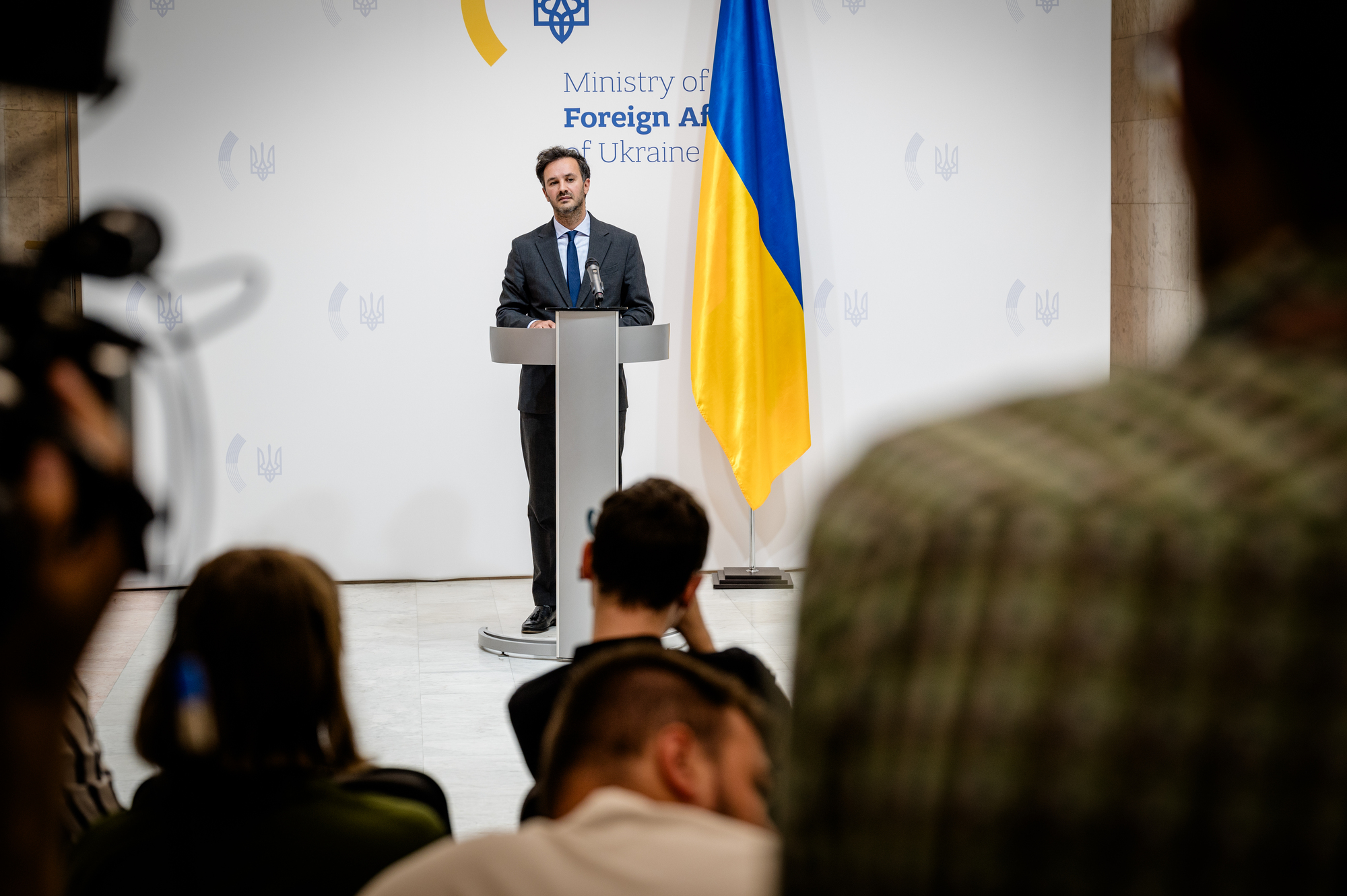
Ukrainian Foreign Ministry spokesman Heorhii Tykhyi called Moscow's reaction a repeat of Soviet practices.
"This is an absolute repetition, no lessons of the 20th century have been learned. It repeats all the same mistakes, lies, concealment of the real scale and causes," he said at a briefing.
This is a political assessment, and it says more about how Kyiv reads the Kremlin's behavior than about epidemiology. To separate one from the other, it helps to list what is known.
What is known and what isn't
- Confirmed: an employee of the anti-plague institute has died; the WHO has contacted Russia and asked it to name the pathogen that prompted the introduction of anti-epidemic measures; the US has urged its citizens not to travel to Russia.
- Not confirmed: a second case. The Daily Mail reported it on October 6, citing Russian media.
- Unknown: which pathogen caused the death and whether there is any spread beyond the laboratory. Officially, this is denied.
The key item on this list is the WHO inquiry. The organization does not ask for the name of a pathogen when everything is clear. It is equally telling that Russia's neighbors did not wait for explanations: according to Reuters, Kazakhstan, Kyrgyzstan and Uzbekistan have tightened precautionary measures at their borders.
Why "laboratory" is not reassuring
The laboratory infection version sounds less frightening than an "outbreak." But it raises a different question: is there an epidemiological investigation behind it, with a list of contacts? Pneumonic plague spreads from person to person through airborne droplets. Without prompt antibiotic treatment it is extremely dangerous, and anti-epidemic measures must be timely. So anti-epidemic measures are not a sign of panic but a normal reaction if the pathogen really is plague. The problem is that the reason for them is not being named.
Here Tykhyi's argument about a "Soviet tradition" has a historical basis. In April 1979, anthrax spores leaked from a military facility in Sverdlovsk. The authorities then attributed the deaths to contaminated meat. Only in 1992 did Boris Yeltsin acknowledge the outbreak's military origin. Chernobyl, which Mikhail Gorbachev later called one of the factors in the collapse of the USSR, is a second example of the same tradition: first silence, then the scale.
This is historical context, not proof. Moscow's past does not mean it is lying now. It only explains why the world does not take it at its word.
What this means for Ukraine
Tykhyi assured that there is currently no threat to Ukraine. The argument is practical: there is no regular passenger traffic between the countries, and a visa regime applies to Russian citizens. The Ministry of Health's Public Health Center is monitoring the situation and has approached the WHO Regional Office for Europe with risk assessments.
There is also a more cautious view. The absence of direct connections lowers the risk but does not reduce it to zero: people travel via third countries, and Irkutsk is a major transport hub. However, this is a hypothetical channel, not a known fact. For a skeptic, what matters is not how many loud words were spoken in Kyiv or Moscow, but what happens next with the data.
A conditional forecast: if Russia names the pathogen and provides the WHO with data on the deceased's contacts, the story will quickly become a narrow laboratory accident. If there is no response, and new cases appear only in the media, the Ukrainian Foreign Ministry's comments about "Soviet practices" will look increasingly convincing. So will Moscow provide such data in the coming days, and will the WHO make it public?