Briefly — why this matters
The meeting of the presidents in Davos gave Ukraine not an emotional boost but concrete working agreements: discussion of additional PAC‑3 missiles to counter ballistic threats, the completion of negotiations on security guarantees, and agreement on the format of trilateral talks. These are not instant fixes, but important steps toward real strengthening of defense capability and diplomatic progress.
What the President said
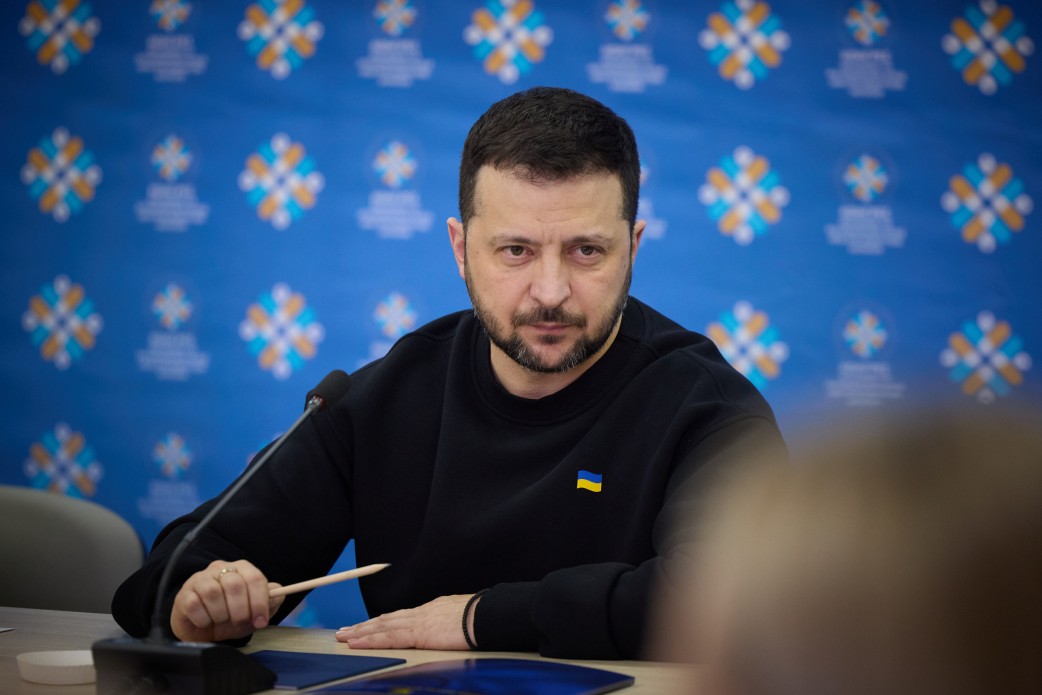
Volodymyr Zelensky, in response to a question from LIGA.net, confirmed that additional air-defense missiles, including PAC‑3, were discussed during the conversation with Donald Trump. The President also expects the signing of a document on security guarantees and reported agreement on meetings of technical trilateral groups.
"We discussed difficult issues that concern the east of our country and the end of the war. It is important that a decision was made that the technical trilateral groups will meet... after that there will be a trilateral meeting of our negotiators in the Emirates"
— Volodymyr Zelensky, President of Ukraine
EU financial support and criticism of sanctions
The President thanked the EU for a credit package of 90 billion euros, which, he said, amounts to roughly 45 billion euros per year over the next two years. At the same time, Zelensky pointed to gaps in sanctions against the Russian Federation — in particular regarding the nuclear sector and Rosatom’s activities — and called for firmer steps.
"Let's be honest: Russia's nuclear sector. Sanctions still haven't been applied against the nuclear sector, against Rosatom, etc. There are no strong sanctions so far... Therefore, there are decisions that need to be taken very quickly — our own air defense, increasing the production of weapons"
— Volodymyr Zelensky, President of Ukraine
What this means in practice
1) Increasing air-defense deliveries (PAC‑3) is a technical but critically needed element of the defense strategy: it reduces the vulnerability of civilian infrastructure and raises the cost of attacks for the adversary.
2) The trilateral format (USA — Ukraine — Russia) within the Emirates offers a chance for technical coordination on key issues, but its effectiveness will depend on the parties' willingness to compromise and on oversight by international guarantors.
3) European financing makes economic resilience more realistic, but sanctions policy remains a painful element — without tougher restrictions certain security risks and deterrence gaps will persist.
Context and next steps
Analysts note that diplomacy increasingly works through technical working groups and supply logistics rather than individual public gestures. Now it is up to partners — they must turn the agreements into concrete contracts, delivery schedules, and legal instruments to pressure the aggressor.
The remaining question: will allies be able to accelerate both the delivery of defensive systems and the implementation of more effective sanctions so the agreements reached become actionable in the coming months?
Source: conversation of the President of Ukraine with LIGA.net in Davos.





