What happened
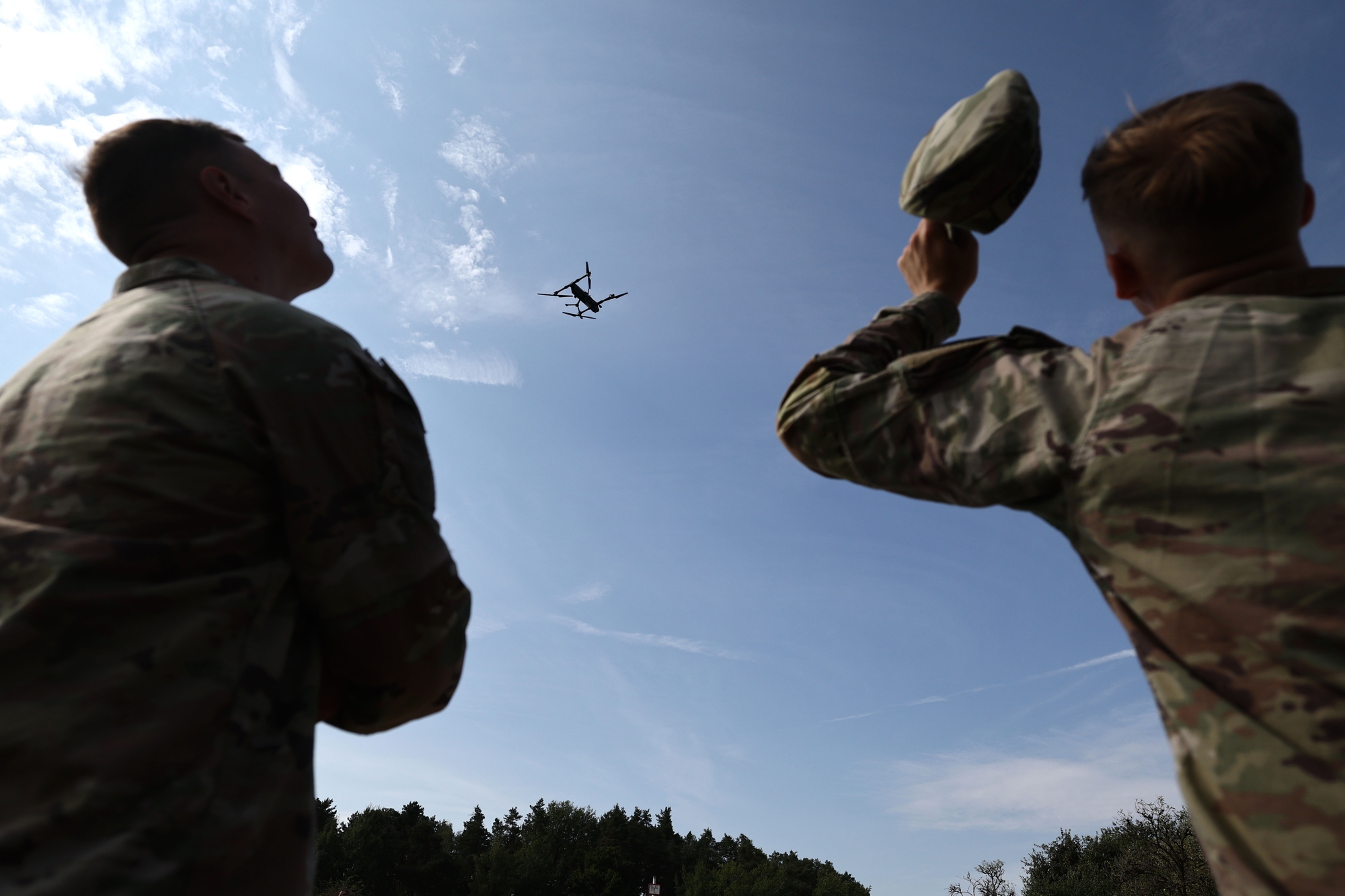
In the night before March 12, an Italian military base in Erbil, the capital of Iraqi Kurdistan, was struck — the Reuters agency reported, citing the Italian Ministry of Defence. Initially it was described as a rocket strike, but ministry interlocutors later clarified that it was a drone that damaged military equipment.
“There are no fatalities or injured among the Italian personnel. They are all fine.”
— Italian Ministry of Defence
According to inconclusive reports from the ministry, the drone was likely not deliberately aimed at the Italian base but ended up there after losing altitude. Experts are still examining the scene to determine the origin of the drone and the nature of its armament.
Position on site and scale of the mission
The base commander, Colonel Stefano Pizzotti, told the Sky TG24 channel that personnel had been warned of an aerial threat and were temporarily placed in bunkers until the strike. About 300 Italian servicemen were deployed in Erbil to train Kurdish security forces; the operation began on February 28, but its scale has recently been reduced due to the escalation in the region.
“Service members were warned of aerial threats; they sheltered in bunkers several hours before the strike.”
— Colonel Stefano Pizzotti, base commander
Context and consequences
This incident did not occur in a vacuum: since the start of hostilities by the US and Israel against Iran, a number of sites in the region have been attacked. Analysis by LIGA.net and other sources note a rising number of strikes on military targets in the region, including an attack on a British airbase in Cyprus whose drone was found to contain Russian technology. This increases the risk of accidental hits and makes it impossible to clearly identify perpetrators in the early stages of an investigation.
In fact, the Erbil incident highlights two important problems: first, even auxiliary training missions can become targets or collateral victims in a wider conflict; second, the mobility and safety of personnel now depend not only on on-site tactics but also on the operational response of allies and the intelligence that warns of threats.
What it means for Ukraine
Although the incident occurred outside our immediate area, the consequences are indirect but significant. Escalation in the Middle East distracts the political and material attention of partners and increases risks to logistics and import-dependent channels for arms supplies. For Ukraine, it is another reminder: international support requires continuous consolidation efforts, and its effectiveness depends on the ability of allies to quickly adapt to new threats.
Brief conclusion
The incident in Erbil is an example of how local strikes can have broader strategic consequences. While the investigation continues, the key task for partners is to maintain a training presence while simultaneously increasing the resilience and safety of personnel. Analysts agree that prolonged instability in the region will require targeted measures from the EU and NATO — from strengthening intelligence to reconfiguring logistics routes — to prevent a decline in the level of support on which Ukraine’s security also depends.





