What happened
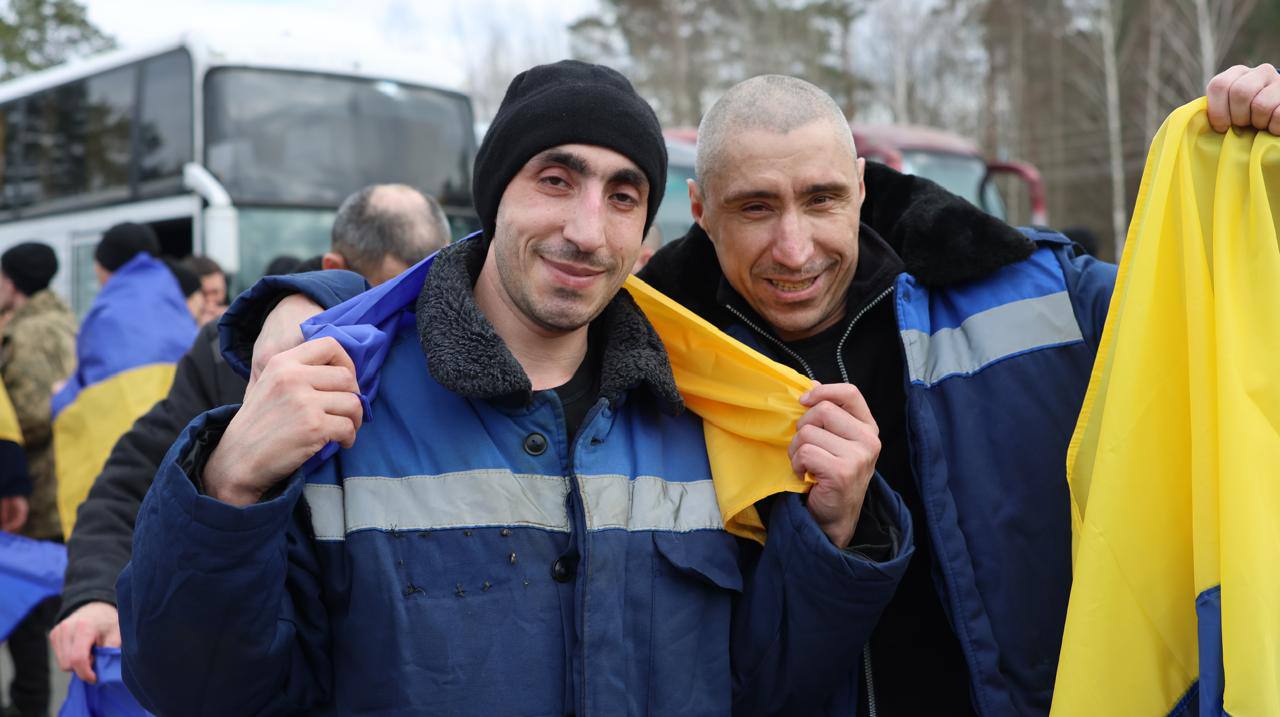
On March 6, according to official reports, another prisoner exchange took place in Ukraine: 300 servicemen and two civilians returned to the country. President Volodymyr Zelensky confirmed the releases and thanked those who contributed to the process.
"Today 300 of our servicemen and two civilians returned to Ukraine."
— Volodymyr Zelensky, President of Ukraine
Who was released
According to the Office of the President, among those released were fighters from the Armed Forces of Ukraine, the National Guard and the State Border Guard Service. They include privates, sergeants and officers who defended various directions: Donetsk, Luhansk, Kharkiv, Zaporizhzhia, Kherson and Mariupol. Most had been in captivity for more than a year; some since 2022.
Who led the negotiations
Head of the Office of the President Kyrylo Budanov described the operation as the second stage of the exchange, agreed within the framework of talks in Geneva. According to Budanov, international partners who supported the humanitarian track took part in the process.
"This is the second stage of the exchange that we agreed on during the talks in Geneva."
— Kyrylo Budanov, Head of the Office of the President
In his comments Budanov also thanked the partners mentioned in the official statement, in particular representatives from the United States and the United Arab Emirates.
Why it matters
The exchange has several dimensions of significance: first, it is an obvious moral resource for society and military families. Second, the returned servicemen can bring important intelligence and help restore combat units. Third, successful exchanges show that the humanitarian track of negotiations works as a tool of leverage and agreement.
Experts and security analysts note that such batches are rarely accidental: they are the result of a combination of diplomatic pressure, intelligence exchanges and carefully considered trades at different levels.
What's next
A positive outcome does not remove the key challenges: there is a need for systematic releases, transparent lists and security guarantees for those returning. It is also important that international agreements turn into a sustainable mechanism rather than isolated steps.
Now the ball is in the partners' court: will these declarations and successes turn into a stable procedure for releasing prisoners, and how much will this strengthen our security in the longer term?





