Briefly
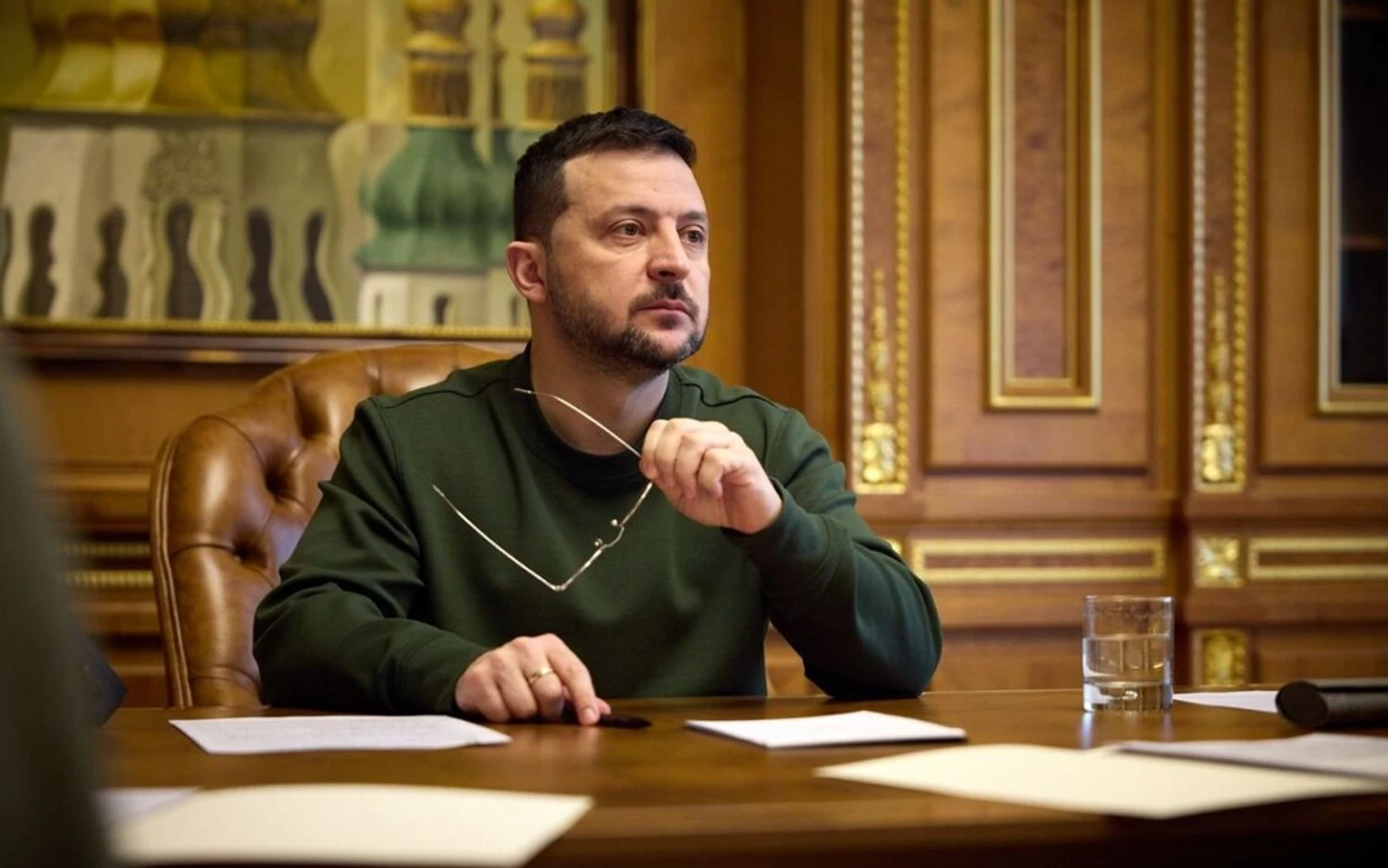
The International Olympic Committee (IOC) disqualified Ukrainian skeleton racer Vladyslav Heraskevych before his first run at the 2026 Milan Olympics — over the athlete's intention to start in a so‑called "helmet of remembrance" bearing portraits of the deceased. President Volodymyr Zelensky sharply reacted, calling it "not about the principles of Olympism" and urged the IOC not to remain aside from the consequences of Russian aggression (source — UNN).
What happened
The IOC cited rules that limit political or provocative displays during competitions and applied the disqualification before the athlete's start. Heraskevych, according to reports, intends to appeal the decision to the Court of Arbitration for Sport (CAS).
"Sport does not mean oblivion, and the Olympic movement should help stop wars, not play into the hands of the aggressor. This is certainly not about the principles of Olympism, which are based on fairness and the support of peace."
— Volodymyr Zelensky, President of Ukraine (public address)
Why it matters
The decision concerns more than just one athlete. It falls at the intersection of two logics: the rules of sporting neutrality and the right to memory and a moral stance during wartime. For Ukrainians, the memory of the dead is not a protest but an ethical marker. The president also recalled real losses: 660 Ukrainian athletes and coaches killed since the start of the full‑scale war; at the same time, he said, 13 Russians are currently participating in Italy under neutral flags and publicly supporting the aggression. These figures add context to the question: can "neutrality" ignore the obvious moral dimensions of the conflict?
Reaction and legal perspective
Sports law experts note that the IOC often refers to articles of the Olympic Charter that restrict political expressions during events. At the same time, international human rights advocates and part of the sports community emphasize the difference between political campaigning and the honoring of memory. An appeal to CAS could set a precedent: it could either entrench a stricter interpretation of "neutrality" or broaden the understanding of permitted forms of expression during competitions.
"I will file an appeal to the Court of Arbitration for Sport (CAS)"
— Vladyslav Heraskevych, skeleton racer (according to media reports)
What next
The next steps are clear: the athlete's legal appeal to CAS and political diplomacy from the Ukrainian side. The outcome of the case could determine how international sport balances formal neutrality with the humanitarian/moral circumstances of war. For the reader, it is a question of safeguarding values: will international institutions be prepared to recognize context when it comes to memory and human lives?
Summary: the Heraskevych case is not only an individual crisis but a test for the Olympic movement: can it reconcile the rule of neutrality with the demand not to forget the human cost of war. The next move is with the legal bodies and the IOC's partners — their decisions will affect not only the sporting but also the ethical reputation of the movement.





