What happened
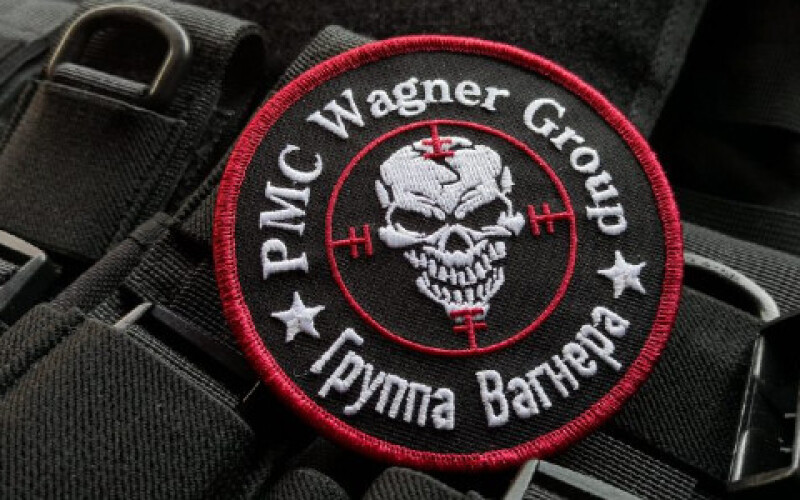
Financial Times, citing unnamed Western intelligence officials, reports that recruiters linked to the terrorist group "Wagner" have shifted from direct combat against Ukraine to organizing sabotage and subversion in EU and NATO countries. Intelligence assessments say they select vulnerable locals and use intermediaries to carry out operations on allied territory.
How the recruitment works and what tasks are assigned
Intelligence services note that Wagner recruiters and propagandists use familiar tools: from direct financial incentives to manipulation on social media. Agents were given tasks of varying complexity — from setting fire to politicians' cars and warehouses containing aid for Ukraine to information provocations intended to mimic the activity of "extremist" groups.
"The Wagner network in Europe has proven to be a crude but effective tool — it combines recruiters, local contacts and propaganda resources"
— a senior European intelligence official (quote via FT)
Context: not just "Wagner"
Analysts emphasize that other Russian services — the GRU and the FSB — are also involved in operations in Europe; they previously relied on criminal networks and diasporas. However, after rounds of diplomatic expulsions and strengthened counterintelligence, the Kremlin has increasingly turned to intermediaries, including former mercenaries and propaganda groups.
Evidence and numbers
Law enforcement agencies record concrete cases: in autumn 2025 the police of Ukraine and Moldova reported the uncovering of a network — about 654 individuals linked to combat formations were mentioned, along with a number of investigations. In January 2026 two Moldovan citizens and a Ukrainian were suspected of ties to "Wagner." These cases demonstrate the scale of the problem and the shift from frontline fighting to agent activity in the rear.
What this means for Ukraine and for allies
For Ukraine the risk is twofold. First, sabotage operations in Europe are aimed at weakening the resolve of Western partners — this directly affects flows of aid and political support. Second, some recruitments are potentially targeted at vulnerable points in logistics and critical infrastructure, which could have a direct impact on the frontline.
"This is not only a matter of politics — it's a matter of practice: if gaps in intelligence sharing and the protection of supply chains are not closed, the consequences will be felt not only in Europe but also on the Ukrainian front"
— an expert on European security
What has already been done and what needs to be done next
Some countries have responded with diplomatic expulsions and investigations — these actions have disrupted parts of the networks. But specialists call for systemic measures: strengthen joint monitoring of social networks and financial flows, accelerate extradition mechanisms, protect critical logistics nodes and coordinate the exposure of recruitment schemes among EU, NATO and Ukrainian law enforcement.
Conclusion
According to the FT and Western intelligence, "Wagner" and other Russian structures are transforming their tactics — from frontline fighting to covert rear operations. It is a logical move in a hybrid war: if you cannot break the front, you try to undermine support at the rear. Now the ball is in the partners' court: declarations and statements must turn into real protection mechanisms — from intelligence sharing to operational countermeasures.





