In high diplomacy, quiet shifts matter more than loud statements
Financial Times, citing several interlocutors and diplomats, reports that the administration of Donald Trump is gradually reallocating its priorities toward the Middle East. As a result, the peace process for resolving the war initiated by the United States has come under threat — not because of a single dramatic statement, but because of a chain of decisions and logistical constraints.
How it works: several mechanisms of influence
European diplomats who participated in the talks say the escalation in the Middle East is changing the balance of power: rising oil prices, the temporary suspension or slowing of some U.S. sanctions, and the reallocation of ammunition and air-defense stocks divert resources that could have strengthened Kyiv's position.
The last full three-way round took place in Geneva on February 17–18. The conversation scheduled for March 5 in Abu Dhabi was postponed after U.S.-Israeli strikes on Iran; a new date and location have not yet been agreed.
"The Middle East has seriously reoriented political attention away from Ukraine. For us and for Ukraine this is a catastrophe"
— A European diplomat, a source for the FT
What this means for supplies and pressure on Moscow
According to diplomats, some American supplies, including air-defense systems, may be delayed because Washington is redirecting orders to Middle Eastern needs. For Kyiv this is not only a matter of material support — it is also a loss of diplomatic levers of pressure that are needed to keep Moscow engaged in the negotiation process.
"Talks between Ukrainian and Russian officials are indeed in a dangerous zone"
— A senior European official
Political reactions and attempts to prevent the eclipse
EU institutions and state leaders are trying to keep Ukraine at the center of the agenda: an example is President Macron's meeting with President Zelensky in Paris, which the Élysée Palace framed as a counter to the "eclipse effect." At the same time, analysts note that without active and sustained American pressure the chances of productive negotiations diminish.
"Sanctions on Russian oil will return after the 'crisis' in the Middle East is over",
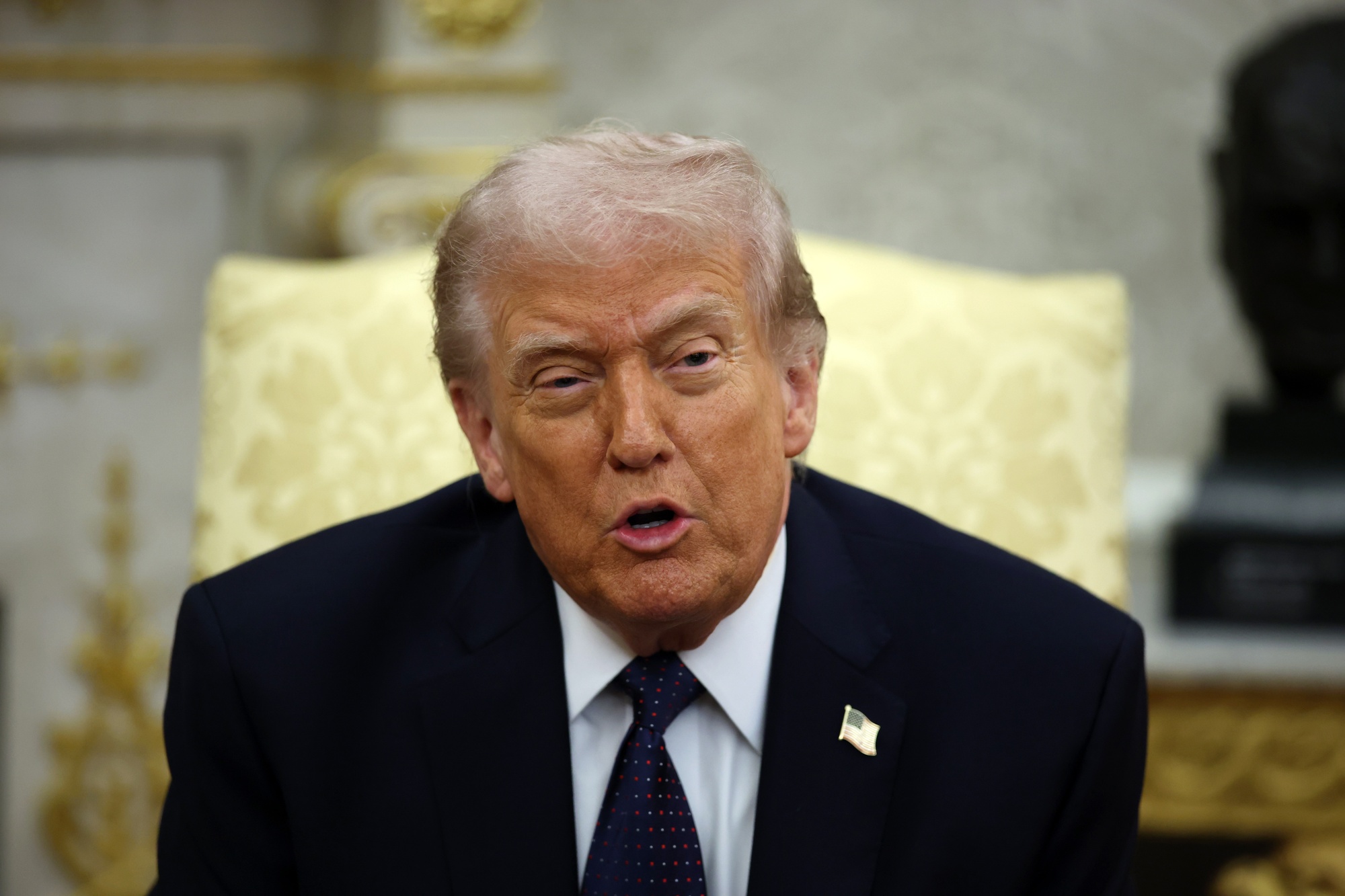
— Donald Trump, President of the United States (statement March 14)
Analysis: why this happened and what Kyiv should do
The U.S. decision is partly explained by foreign policy responding to the most immediate urgent risks: the threat of escalation in the region, logistical constraints, and cyclical political pressure. This is a rational, though painful, reallocation of resources — for Ukraine it means less time and less room to maneuver diplomatically.
So, a pragmatic recipe for Kyiv: rapidly diversify supplies, strengthen its own defense-industrial capacity, and intensify lobbying in the EU so that partner declarations are transformed into signed contracts and concrete deliveries.
Conclusion
The situation is difficult but clear: international crises compete for resources and attention. Now the key is not to wait for interest to return, but to create it independently through concrete actions and guarantees for partners. The next move is up to the allies: will they have the political will and logistical capability to support Kyiv at a critical moment?





